The ongoing conflict in Ukraine has entered a sophisticated new phase as Russian forces deploy advanced, jet-powered unmanned aerial vehicles (UAVs) to overwhelm Ukrainian air defenses. These new platforms, specifically the latest iterations of the Geran drone family, represent a significant technological shift that is forcing Kyiv to urgently adapt its tactical response, shifting from traditional shoulder-fired missile systems to the development of indigenous interceptor drones.
The Evolution of the Geran Threat
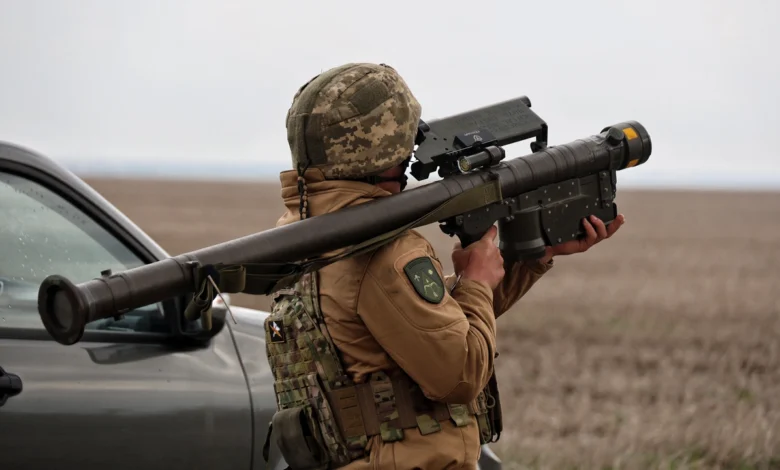
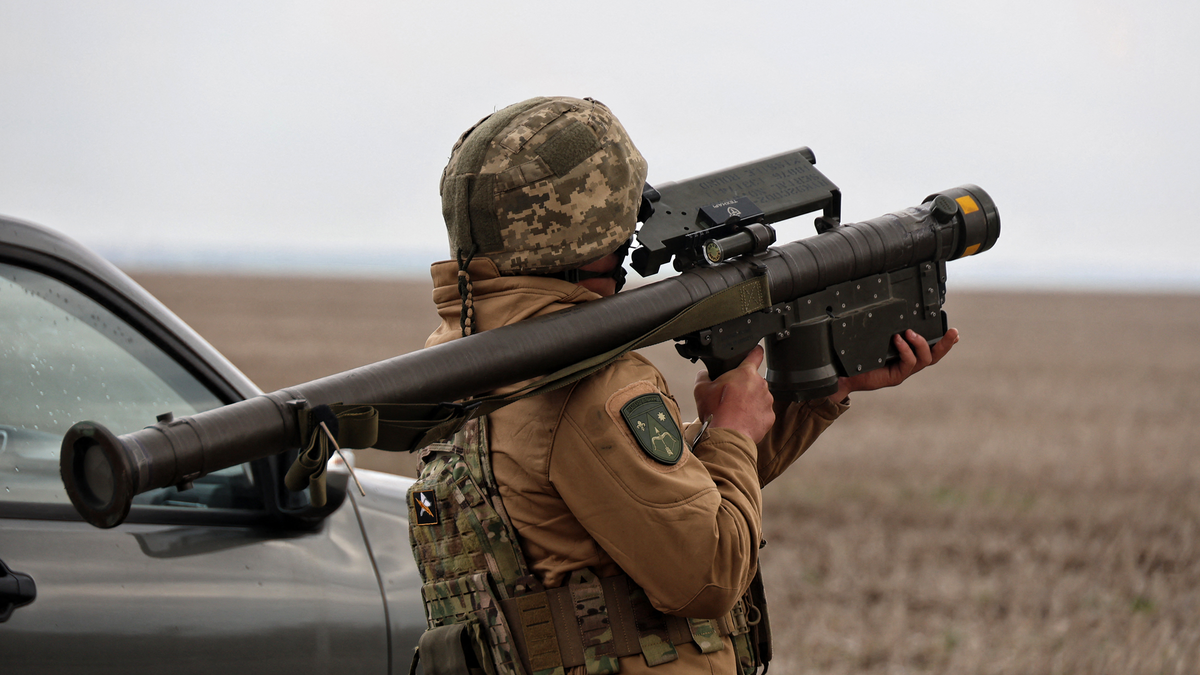
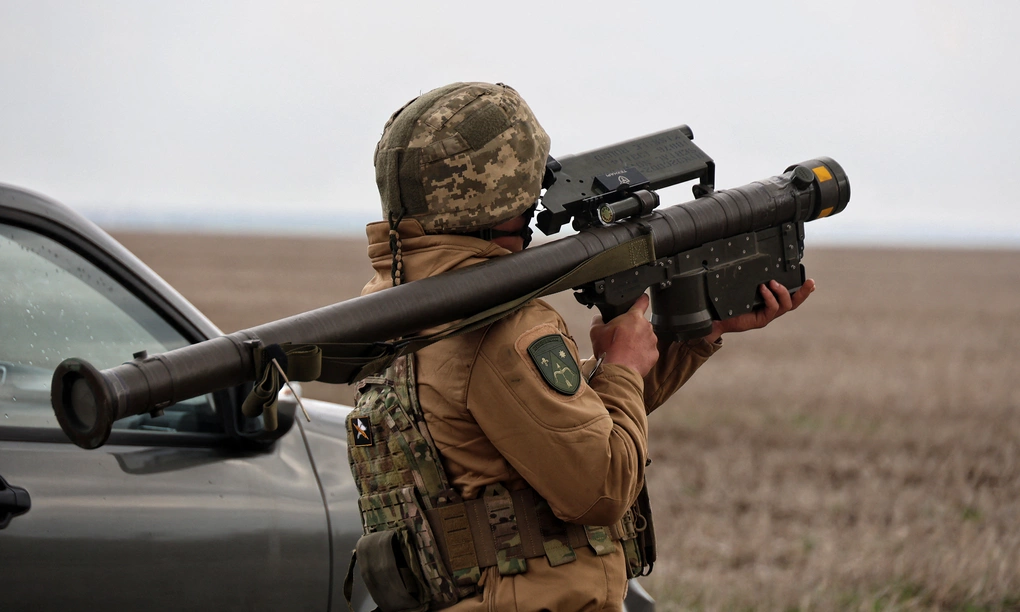
For much of the conflict, Ukraine’s mobile air defense units—small, agile teams equipped with Man-Portable Air-Defense Systems (MANPADS)—successfully countered the Iranian-designed Shahed-136 drones. These earlier models typically operated at altitudes of 1,000 to 1,500 meters and relied on piston-driven engines, which produced a distinct sound and maintained a slower, predictable flight path.
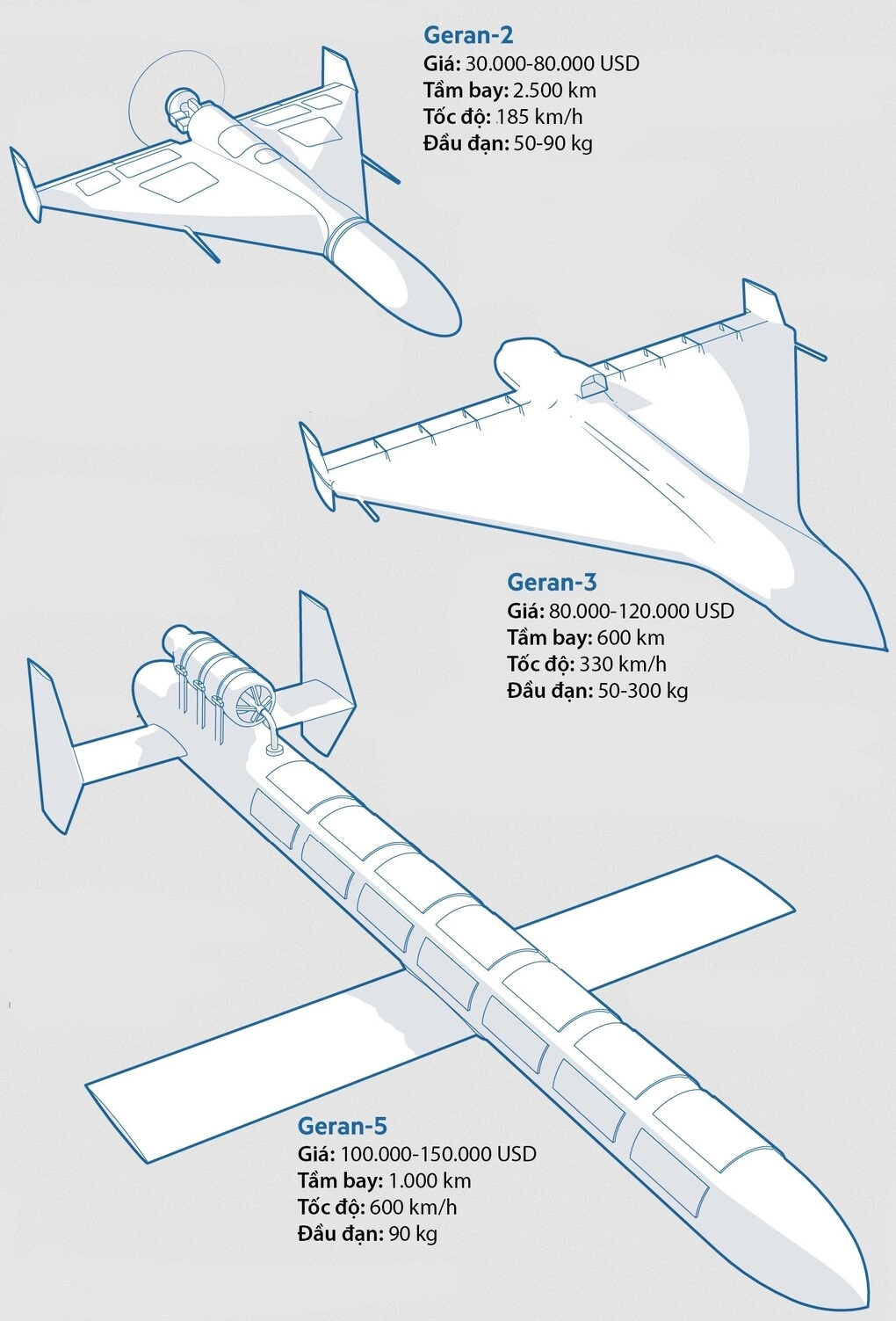
However, the introduction of jet-powered variants, such as the Geran-4 and Geran-5, has drastically altered the operational environment. These newer drones fly at altitudes ranging from 4,500 to 7,000 meters, effectively operating outside the engagement envelope of most short-range, man-portable air defense weaponry. Vasyl, a member of a Ukrainian mobile air defense unit tasked with protecting the outskirts of Kyiv, noted the stark difference in response time. While piston-engine drones provided units with sufficient time to lock on and engage, the higher speed and altitude of the jet-powered variants leave operators with only a few seconds to react, significantly increasing the probability of a successful strike.
Technical Advancements and Tactical Shifts
The transition to jet propulsion is only one facet of the modernization observed in Russia’s drone fleet. Analysis from defense experts, including Serhii Beskrestnov, a consultant to the Ukrainian government on military technology, suggests that nearly all current jet-powered drones used by Russia are equipped with sophisticated camera systems.
These drones are no longer merely "dumb" loitering munitions; they now incorporate:
- AI-Integrated Targeting: Advanced image-recognition software that allows the drone to lock onto targets independently.
- Anti-Jamming Technology: Sophisticated GNSS antennas capable of resisting electronic warfare interference.
- Mesh Networking: WiFi Mesh modems that allow drones to communicate in swarms or relay information to command centers.
- Electro-Optical/Infrared Sensors: Enabling terminal-phase guidance with high precision, even in low-visibility conditions.
While these models are more expensive to produce than their piston-driven predecessors, they remain significantly cheaper than traditional cruise missiles, allowing Russia to maintain a high volume of fire while overwhelming the layered defense systems of Ukraine.
Statistical Overview and Chronology
The surge in jet-powered UAV usage began in earnest during the summer of 2024, signaling a pivot in Russian strategy. According to data provided by Ukrainian officials, including Sergii Koretskyi, the scale of this threat is immense. In the first three weeks of September 2024 alone, Russia launched approximately 2,100 jet-powered drones and over 130 missiles. This follows an August record where over 2,800 UAVs were deployed.
This increase in tempo is not coincidental. It follows a sustained Ukrainian campaign targeting Russian oil refineries and logistical hubs deep within Russian territory. By flooding the skies with high-speed drones, Moscow is attempting to achieve two objectives: exhaust Ukraine’s limited supply of interceptor missiles and force Kyiv to reveal the positions of its air defense batteries, making them vulnerable to follow-up strikes.
The Strain on Air Defense
The difficulty in intercepting these high-altitude, high-speed targets has forced the Ukrainian Air Force to rely on more costly and risky methods. When ground-based systems fail, the military is often compelled to scramble fighter jets, such as the newly arrived F-16s or upgraded MiG-29s, to intercept the drones. This is an inefficient use of limited aviation assets, as it requires highly trained pilots to perform high-risk maneuvers at night or in challenging weather conditions to down drones that cost a fraction of the missiles used to destroy them.
Yuri Ignat, a spokesperson for the Ukrainian Air Force, has candidly admitted that while Ukraine still maintains a high interception rate for older, slower models—often exceeding 90%—the effectiveness against jet-powered variants has dropped to roughly 60%. This drop represents a dangerous gap in national security that threatens to expose critical infrastructure, energy grids, and manufacturing centers to repeated bombardment.
Strategic Implications: "Fighting Fire with Fire"
In response to these developments, the Ukrainian government has accelerated the "fight fire with fire" strategy. President Volodymyr Zelensky recently showcased an indigenous interceptor drone designed specifically to counter the Russian jet-powered fleet. These interceptors mimic the delta-wing configuration of the Geran series but are optimized for speed and agility, intended to ram the enemy drones in mid-air.
However, the path to mass-producing these interceptors is fraught with financial and logistical hurdles. Fedir Venislavsky, a member of the Ukrainian parliamentary committee on national security, emphasized that the shift in Russian tactics was anticipated but remains difficult to mitigate due to the sheer volume of attacks. "We are in a race against time," Venislavsky stated. "The technological countermeasures are being developed, but our ability to deploy them at scale is tethered to the availability of defense funding."
Financial Constraints and Future Outlook
The fiscal reality for Ukraine is increasingly dire. With a reported budget shortfall of $27 billion for the current year, the Ministry of Defense is struggling to balance the immediate need for air defense replenishment with the long-term goal of domestic manufacturing. Kyiv is currently in active negotiations with international partners to bridge this funding gap, seeking not only direct aid but also technology transfers that would allow for the rapid scaling of drone production.
The broader implications of this conflict are clear: the war has become a contest of industrial throughput and iterative technological adaptation. As Russia continues to refine its drone capabilities, the effectiveness of Ukraine’s air defense will depend on its ability to integrate artificial intelligence, enhance electronic warfare resilience, and sustain the production of low-cost, high-performance interceptors.
While Western-provided systems like the Patriot and NASAMS remain vital for intercepting ballistic missiles, they are not a sustainable solution for countering the mass-deployment of inexpensive, jet-powered UAVs. The survival of Ukraine’s critical infrastructure now hinges on the rapid development and deployment of a cost-effective, domestic air defense shield that can neutralize the threat of modern loitering munitions without depleting the nation’s strategic stockpiles.