Government Inspectorate Concludes Major Inspection on Nam Long Group Real Estate and Housing Projects Highlighting Financial and Compliance Shortfalls

Nam Long Investment Corporation (Nam Long Group), one of Vietnam’s most prominent real estate developers, has recently faced a comprehensive review by the Government Inspectorate regarding its compliance with investment, construction, housing development, and real estate business laws. The wide-ranging inspection targeted five major residential and urban projects developed or co-developed by the group across Ho Chi Minh City, Dong Nai province, and Tay Ninh province.
While the probe brought to light multiple shortcomings—particularly concerning land financial obligations, social housing compliance, and maintenance fund allocations—it also underscored the sheer scale of Nam Long Group’s operations and its significant contributions to regional housing supply and state revenues. As both regulatory authorities and the developer navigate the fallout of the inspection, the case serves as a crucial benchmark for transparency and accountability within Vietnam’s evolving property sector.
Scope of the Inspection and Overall Project Portfolio
The Government Inspectorate’s review encompassed five large-scale residential and urban developments spearheaded by Nam Long Group and its subsidiaries. Collectively, these projects comprise a massive inventory of 20,004 housing units, representing approximately 3.84 million square meters of gross floor area.
During the 2020–2025 period, commercial entities under the Nam Long Group umbrella demonstrated robust commercial activity across these sites. Out of a total of 13,780 available commercial units, the group successfully sold 11,967 units, achieving a commendable absorption rate of 86.8%. Additionally, the developers leased 354 social housing units, successfully transferred 19 plots of land designated for luxury villas, and handed over 1,755 land plots for low-rise developments. Over the course of these operations, the inspected projects have contributed approximately VND 2,538 billion to the state budget through various taxes, land use fees, and associated financial obligations.
Despite these robust commercial figures, the inspection uncovered various administrative oversights, calculation errors, and compliance gaps across specific project sites, prompting strict remedial measures from both federal inspectors and local authorities.
Key Findings Across Specific Project Sites
The Government Inspectorate’s detailed conclusions outlined distinct regulatory and financial discrepancies at several high-profile developments managed by Nam Long Group and its joint ventures.
1. Mizuki Park (Nguyen Son Residential Area), Ho Chi Minh City
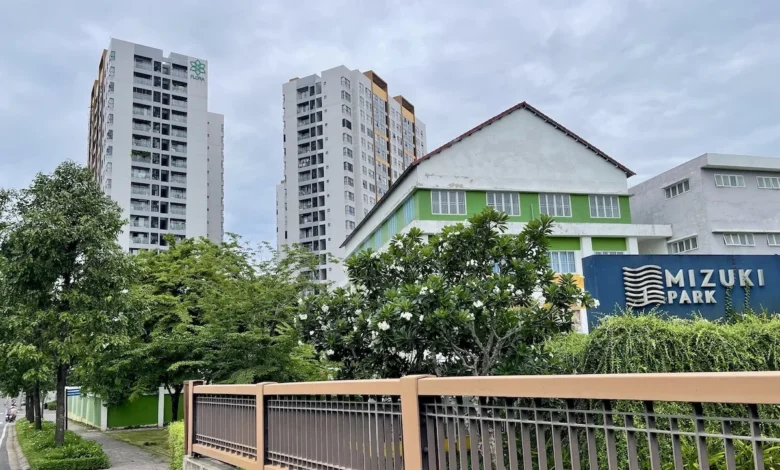
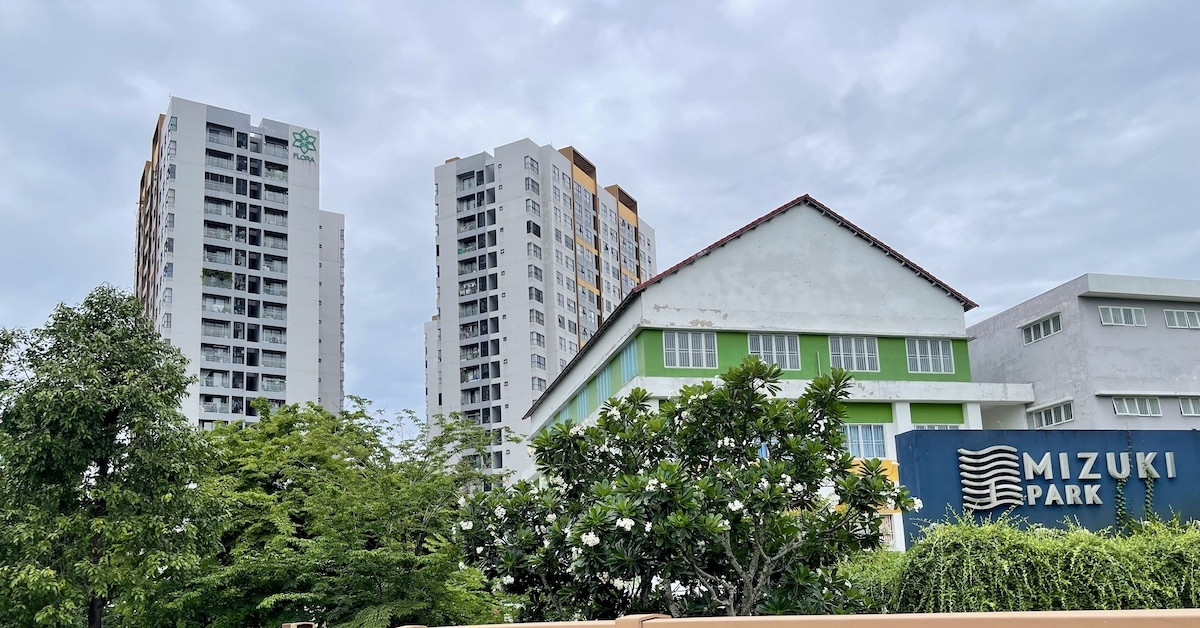
At the Nguyen Son Residential Area project—commercially known as Mizuki Park—inspectors discovered an administrative and financial discrepancy during the issuance of land use rights certificates. Local competent authorities in Ho Chi Minh City miscalculated the land use fee obligations for a parcel measuring 137.77 square meters. Following the conclusion of the inspection, the project’s developer, Nguyen Son Real Estate Joint Stock Company (a subsidiary of Nam Long Group), acted swiftly to address the shortfall. On June 30, 2026, the company officially deposited nearly VND 1.56 billion in supplemental land use fees into the state budget.
2. Dong Nai Waterfront Project, Dong Nai Province
The review of the Dong Nai Waterfront project highlighted planning and financial timing issues. In 2025, the detailed 1/500 scale master plan for the project underwent structural adjustments, resulting in an expansion of residential land area by 10,387.94 square meters. However, as of the inspection period in June 2026, the specialized agencies of Dong Nai province had yet to officially determine and collect the supplementary land use fees mandated for this expanded residential acreage. The Government Inspectorate explicitly assigned administrative responsibility for this delay to the local specialized departments of Dong Nai province.
3. Akari Hoang Nam Residential Area, Ho Chi Minh City
At the Akari Hoang Nam development in Ho Chi Minh City, inspectors identified two primary issues. First, Nam Long Group retained a 280-square-meter clubhouse facility for commercial operations without depositing approximately VND 357.1 million in corresponding maintenance funds as required by housing regulations. Following the audit, the enterprise fulfilled its obligation by transferring the required amount into a dedicated bank maintenance account on July 20, 2026.
Second, the inspection highlighted procedural lapses, noting that Nam Long had transferred portions of land and commenced sales operations prior to completing essential social infrastructure. Specifically, the developer handed over residential units at Akari Hoang Nam before constructing the mandated medical station and failed to submit complete documentation to secure property ownership certificates (pink books) for buyers across several blocks. Furthermore, audit findings indicated that Nam Long Investment Corporation signed apartment purchase contracts at Block D of the Akari Hoang Nam project prior to securing the requisite commercial bank guarantees.
4. Project Adjustments in Tay Ninh Province
In Tay Ninh province, the Government Inspectorate reviewed activities involving Nam Long VCD Joint Stock Company and Southgate Joint Stock Company. The investigation noted that these entities executed contracts for the transfer of project components prior to the official approval of the 1/500 detailed master plans. Concurrently, specialized agencies in Tay Ninh province were found to have delayed the assessment and collection of supplementary land use fees following subsequent planning adjustments.

Timeline of Events and Remediation Milestones
The progression of the inspection and the subsequent remedial actions undertaken by Nam Long Group follow a structured timeline:
- June 2026: The Government Inspectorate conducts on-site evaluations and audits across designated project sites in Ho Chi Minh City, Dong Nai, and Tay Ninh.
- June 30, 2026: Nguyen Son Real Estate JSC pays a supplemental amount of nearly VND 1.56 billion in land use fees for the Mizuki Park project.
- July 20, 2026: Nam Long Group deposits VND 357.1 million into the designated commercial maintenance fund account for the Akari Hoang Nam clubhouse facility.
- September 2026: Nam Long receives the official decision from the People’s Committee of Dong Nai province regarding supplemental land use fees for the Waterfront project, preparing the groundwork for final fiscal clearance.
- September 30, 2026: Nam Long Group publicly announces its complete acceptance of the Government Inspectorate’s conclusions, pledging full compliance before the year’s end.
- December 31, 2026: The mandatory deadline established by the Government Inspectorate for provincial authorities to submit comprehensive implementation reports, supplemented by evidentiary documentation proving the resolution of all cited violations.
Official Responses and Corporate Commitments
Responding directly to the findings, leadership at Nam Long Group issued an official statement on September 30, confirming that the enterprise has unconditionally accepted the entirety of the Government Inspectorate’s conclusions. The developer committed to resolving all outstanding recommendations well ahead of the federal deadline.
Addressing specific financial adjustments, company representatives emphasized proactive cooperation with state agencies. Regarding the Dong Nai Waterfront project, management confirmed receipt of the provincial People’s Committee’s official decision on supplementary land use fees in September 2026, affirming that the corporation stands fully prepared to fulfill its financial obligations as soon as local administrative procedures and payment notices are finalized.
In terms of customer rights and community welfare, Nam Long has pledged to actively collaborate with building management boards to finalize the settlement and handover of maintenance funds across all completed apartment blocks. For the social housing components within the Nguyen Son Residential Area, the developer has committed to direct dialogues and transparent negotiations with buyers to establish mutually agreeable solutions should final state appraisal values fall below initial contract pricing, thereby insulating consumers from unexpected financial burdens.
Crucially, Nam Long Group leadership reassured investors and stakeholders that the conclusion of the inspection does not disrupt ongoing corporate operations, construction timelines, or commercial activities. The company maintains that its overarching business strategy remains robust.
Broader Implications for Vietnam’s Real Estate Sector
The comprehensive audit of Nam Long Group highlights an ongoing trend within Vietnam’s real estate market: heightened regulatory scrutiny over land use rights, financial transparency, and compliance with urban planning mandates. As local authorities in economic hubs like Ho Chi Minh City, Dong Nai, and Tay Ninh enforce rigorous post-inspection monitoring, developers face mounting pressure to synchronize their administrative filings, tax payments, and infrastructure deliveries with strict legal frameworks.
Industry analysts note that while findings of financial shortfalls and planning delays can generate short-term market friction, proactive remediation by reputable developers like Nam Long reinforces long-term market discipline. By meeting financial shortfalls promptly and transparently addressing customer grievances, major real estate firms can preserve consumer trust and institutional confidence in an increasingly regulated property ecosystem.