Ministry of Construction Proposes Electronic Toll Collection Fee Regulation Options and Free Transit for Vehicles Utilizing ETC Services

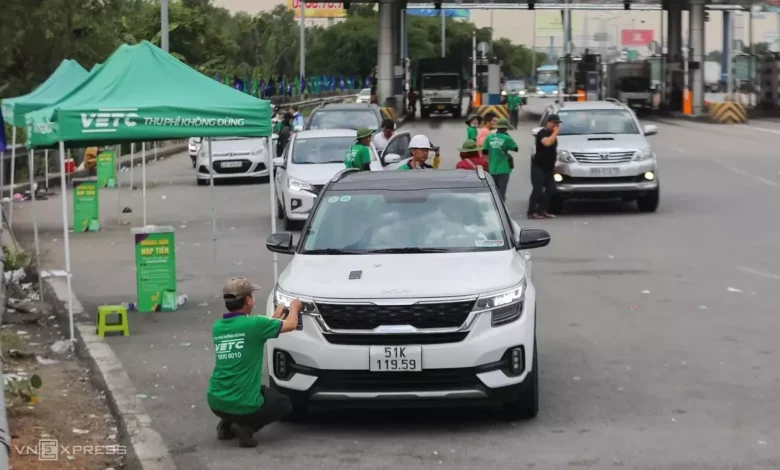
The regulatory framework governing electronic toll collection (ETC) and digital payment linkages in Vietnam has entered a critical new phase, following a series of proactive measures introduced by the Ministry of Construction. In response to recent public friction regarding service fees imposed on electronic wallets linked to transport accounts, the Ministry has formulated a comprehensive set of policy options. These regulatory proposals are designed to balance the commercial viability of digital payment service providers with the fundamental rights and financial protections of vehicle owners.
The core interventions under consideration include establishing tiered transaction-based fees, scaling fees in proportion to transaction values, or—most notably—mandating complete fee exemptions for vehicle owners who actively utilize compliant ETC services. Furthermore, these regulatory measures compel service providers to maintain absolute transparency regarding their fee structures, thereby empowering consumers to make fully informed choices before committing to any specific digital payment platform.
Background and Genesis of the Controversy
The debate surrounding digital wallet fees in the transportation sector gained significant momentum following a review by the Ministry of Construction into the operational practices of major industry players, specifically Vietnam Digital Transport JSC (VETC) and Viettel Money. These enterprises serve as key intermediaries in processing digital transactions for millions of motorists across Vietnam’s expanding highway network.
In August, public outcry erupted when VETC and Viettel Money independently introduced plans to levy recurring maintenance and service fees on users utilizing electronic wallets linked to their traffic accounts. The proposed fee structure sought to charge individual customers 6,600 Vietnamese Dong per month, while corporate clients and institutional vehicle fleets faced a proposed monthly charge of 66,000 Vietnamese Dong.
The announcement triggered immediate pushback from motorists, transport associations, and consumer advocacy groups. Critics argued that adding maintenance charges to digital wallets used exclusively for highway toll payments introduced an unjustified financial burden on everyday drivers. Facing widespread public criticism and significant negative feedback from transport stakeholders, both VETC and Viettel Money voluntarily suspended the implementation of the proposed fee schedules while regulatory authorities conducted a formal review.
Regulatory Distinction Between Traffic Accounts and Payment Instruments
To clarify the legal and functional boundaries of the services involved, the Ministry of Construction has issued a formal interpretation distinguishing between traffic accounts and the underlying payment instruments used to settle tolls.
According to regulatory guidelines, a traffic account serves strictly as a specialized ledger used to manage vehicle and owner information; it does not hold stored cash balances. When a vehicle passes through an ETC gantry, the exact toll amount is deducted directly from a linked payment instrument—such as an electronic wallet, bank account, or debit card—chosen and authorized by the vehicle owner.
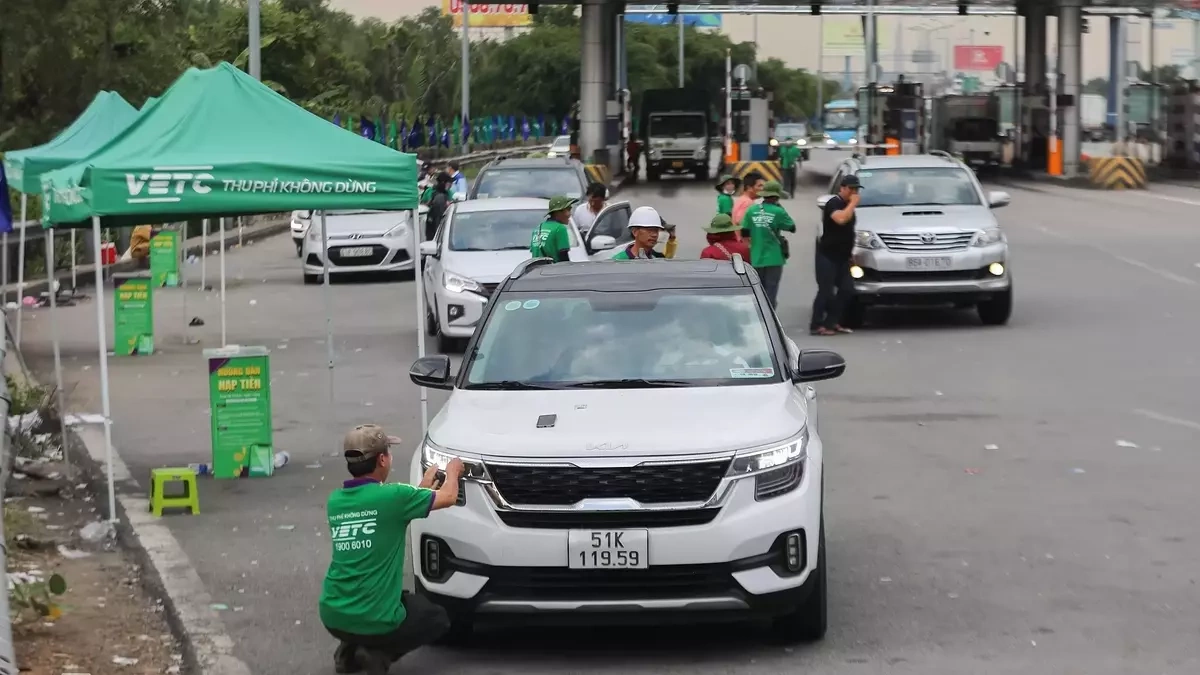
Consequently, the Ministry emphasizes that the fees in question fall under the regulatory jurisdiction of banking and financial laws rather than the legal framework governing road usage or traditional transport management fees. Because traffic accounts themselves do not store money, vehicle owners are under no legal obligation to pay maintenance fees merely to keep a traffic account active. If a specific electronic wallet provider decides to impose wallet management fees, motorists retain the absolute freedom to unlink that wallet and switch to alternative payment methods without risking the validity or continuity of their traffic accounts.
Chronology of Electronic Toll Collection in Vietnam
The evolution of Vietnam’s toll collection system provides essential context for the current regulatory challenges. The transition from traditional, cash-based manual toll collection to automated electronic systems has spanned over a decade, marked by successive regulatory milestones:
- 2015–2016: The Vietnamese government issues initial decisions mandating the implementation of electronic toll collection on national highways and expressways to reduce congestion and improve transparency.
- 2019–2020: Major transport infrastructure projects accelerate the installation of Radio Frequency Identification (RFID) infrastructure, leading to the widespread issuance of ePass and VETC tags to vehicle owners.
- 2022: Mandatory ETC implementation reaches a critical turning point as national regulations prohibit cash lanes on major expressways, such as the Hochi Minh City–Long Thanh–Dau Giay corridor, transforming ETC into the primary mode of highway fee collection.
- 2024: As transaction volumes surge, payment service providers begin integrating digital wallets and bank accounts to streamline top-up procedures, paving the way for expanded fintech partnerships but also introducing new fee-related policy debates.
- Late 2024: The Ministry of Construction intervenes following proposed monthly wallet fees by VETC and Viettel Money, initiating a comprehensive policy review to safeguard consumer rights and establish fair pricing guidelines.
Economic Rationale and Industry Defense
In defending their initial proposals for service fees, representatives from VETC and ePass outlined the complex economic realities associated with maintaining and upgrading modern digital infrastructure. Service providers argued that the proposed fees were essential to offset the substantial capital investments required to develop, scale, and secure electronic toll collection networks.
Operating an advanced digital toll ecosystem involves continuous expenditures beyond basic software maintenance. Service providers are required to invest heavily in customer identification and verification protocols (KYC), secure banking integrations, real-time transaction processing, and rigorous audit reconciliation systems. Furthermore, enterprises face ongoing costs related to cybersecurity compliance, enterprise risk management, and dedicated customer support infrastructure.
Industry stakeholders previously explained that the projected fee revenue was intended to fund regular infrastructure upgrades, enhance data encryption standards, and ensure uninterrupted, real-time connectivity between electronic wallets and underlying traffic accounts. Without a sustainable revenue model, providers warned that long-term investment in cutting-edge payment technologies could stagnate.
Policy Options and Analysis of Implications
The regulatory framework currently proposed by the Ministry of Construction offers a balanced approach designed to reconcile commercial sustainability with consumer protection. By laying out multiple strategic options, the Ministry aims to foster a competitive marketplace while preventing monopolistic pricing practices.
- Tiered and Proportional Pricing: Under this model, businesses would be permitted to charge fees strictly tied to transaction volume or value, ensuring that charges reflect actual processing costs rather than arbitrary flat-rate subscriptions.
- ETC-Linked Exemptions: By mandating complete fee waivers for vehicles utilizing compliant electronic toll collection services, the Ministry provides a powerful financial incentive for motorists to adopt seamless digital transit technologies, thereby maintaining high ETC adoption rates.
- Mandatory Price Transparency: Requiring enterprises to publicly disclose comprehensive pricing policies ensures that consumers can evaluate the true cost of various payment options and vote with their wallets.
The broader market implications of these policy options are expected to be profound. By encouraging payment providers to expand their network linkages with a wider array of commercial banks and intermediary payment institutions, the Ministry is actively fostering a competitive environment. Increased competition among fintech providers and toll operators is anticipated to drive down administrative costs, enhance service quality, and expand the range of choices available to Vietnamese motorists.
Ultimately, the Ministry of Construction’s proactive stance underscores the government’s commitment to protecting consumer rights in the rapidly evolving digital economy. As Vietnam’s transportation infrastructure continues to modernize, regulatory oversight will remain critical in ensuring that technological advancements benefit both commercial enterprises and the traveling public alike.