Plant-based diet rich in fruits and vegetables significantly improves long-term outcomes for patients with stage 3 chronic kidney disease

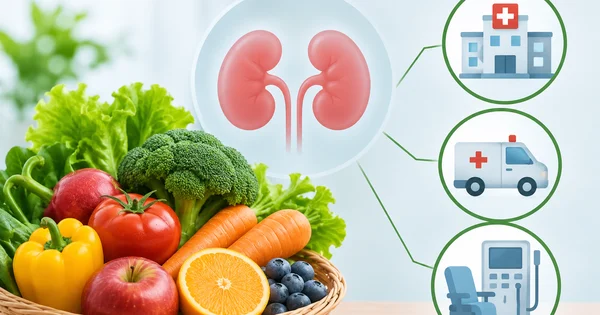
A decade-long clinical study recently presented at the 2026 Kidney Week conference, hosted by the American Society of Nephrology, has unveiled a promising nutritional intervention for individuals suffering from stage 3 chronic kidney disease (CKD). The research, conducted by the Baylor Scott and White Health system, suggests that dietary modifications—specifically focusing on a high intake of fruits and vegetables—can substantially reduce hospitalizations, emergency care visits, and the progression to end-stage renal disease (ESRD) in patients experiencing metabolic acidosis.
The Challenge of Metabolic Acidosis in CKD
For patients diagnosed with chronic kidney disease, the kidneys’ ability to filter waste products and maintain the body’s delicate acid-base balance is severely compromised. As renal function declines, the kidneys often fail to excrete sufficient amounts of acid, leading to a condition known as metabolic acidosis. This buildup of acid in the blood is not merely a symptom of kidney failure; it is a clinical driver that accelerates the further deterioration of renal tissue.
Historically, the medical community has relied on oral sodium bicarbonate supplementation to neutralize blood acidity. While this pharmacological approach is standard, it has faced scrutiny regarding its long-term efficacy and side-effect profile, particularly in patients with hypertension or heart-related complications. The recent findings from Baylor Scott and White suggest that a dietary approach may provide a more sustainable, cost-effective, and physiologically harmonious alternative to traditional chemical interventions.
Chronology of the 10-Year Clinical Investigation
The study, which spanned from 2016 to 2026, followed 108 adult patients diagnosed with stage 3 chronic kidney disease complicated by metabolic acidosis. The research team implemented a rigorous methodology, randomly assigning the participants into three distinct groups of 36 individuals each.
Throughout the decade, researchers meticulously documented clinical outcomes, focusing on three primary markers: the frequency of hospital admissions, the necessity of emergency room intervention, and the rate at which patients progressed to needing dialysis. The longitudinal nature of the study provides a rare, high-resolution look at how consistent nutritional choices influence long-term renal health. By the conclusion of the observation period, the data revealed a striking divergence between the cohorts receiving dietary interventions and those adhering to conventional care standards.
Data Analysis and Comparative Outcomes
The statistical evidence gathered by the research team underscores a profound difference in outcomes between the diet-managed group and the control group. Over the course of the 10-year tracking period, the study recorded a cumulative total of 115 hospitalizations, 166 emergency department visits, and 34 instances where patients required the initiation of dialysis.
When compared to the control group—which received standard medical care—the cohort that followed a structured, fruit-and-vegetable-rich diet experienced a 78% reduction in hospitalizations and a 77% decrease in emergency department visits. Perhaps most significantly, the progression to dialysis was reduced by 75%. In contrast, the group that relied on sodium bicarbonate supplementation showed no statistically significant improvement in outcomes when compared to the standard-care group, suggesting that dietary interventions may possess unique protective mechanisms that simple neutralization cannot replicate.
Scientific Implications: Why Fruits and Vegetables Matter
Dr. Nimrit Goraya, a lead researcher at the Baylor Scott and White Health system, emphasized that the positive outcomes are linked to the specific metabolic impact of plant-based foods. Fruits and vegetables are inherently rich in natural precursors that help maintain systemic pH levels without the side effects often associated with long-term sodium intake.
The implications for public health are substantial. By shifting the focus toward nutritional therapy, healthcare systems could potentially alleviate the significant economic burden associated with chronic kidney disease management. "The integration of diet as a primary tool for disease management offers a pathway to improve clinical outcomes without increasing healthcare expenditure," Dr. Goraya noted during the presentation of the findings. This research suggests that nutritional intervention should be viewed as an essential component of the multidisciplinary care plans provided to CKD patients, rather than a secondary consideration.
Broader Impact on Nephrology Protocols
The findings presented at the 2026 Kidney Week conference have prompted a wider discussion regarding current nephrology protocols. As global rates of chronic kidney disease continue to rise due to aging populations and the prevalence of diabetes and hypertension, the search for non-pharmacological, evidence-based treatments has gained urgency.
If these findings are replicated in larger, more diverse clinical trials, it could lead to a paradigm shift in how stage 3 CKD is managed. Current guidelines often prioritize blood pressure control and glycemic regulation; however, the inclusion of specific dietary prescriptions could become a foundational element of early-stage intervention strategies. By addressing metabolic acidosis through diet, clinicians may be able to "buy time" for patients, delaying the need for invasive procedures and improving overall quality of life.
Critical Considerations and Medical Guidance
While the results are overwhelmingly positive, the research team and independent medical experts urge caution regarding the interpretation of these findings. This study focused on a specific demographic and a controlled environment; therefore, the results should not be interpreted as a universal "cure" for all kidney conditions.
Furthermore, medical professionals emphasize that chronic kidney disease is a highly complex and individual condition. Many fruits and vegetables, while beneficial for most, are naturally high in potassium. For patients whose kidneys have lost the ability to regulate electrolyte levels, high potassium intake can trigger hyperkalemia—a dangerous condition that can lead to cardiac arrhythmia.
"Patients must not discontinue prescribed medications or attempt to replace standard treatments with dietary changes without professional supervision," the researchers cautioned. A personalized nutrition plan, developed in collaboration with a renal dietitian and a nephrologist, is essential. Such plans ensure that the intake of specific fruits and vegetables is carefully calibrated to the patient’s residual kidney function, electrolyte levels, and specific health comorbidities.
Future Directions for Research
The success of this 10-year study serves as a catalyst for further exploration into the role of nutrition in renal health. Future research is expected to focus on identifying which specific phytonutrients in fruits and vegetables provide the most significant protective effects. Additionally, researchers aim to determine the efficacy of these dietary protocols across a broader range of patient populations, including those with varying stages of renal impairment and those from different ethnic and socioeconomic backgrounds.
As the medical community digests these results, the consensus is clear: the path to slowing the progression of chronic kidney disease likely involves a multifaceted approach that elevates nutrition from a supportive role to a central pillar of clinical care. By focusing on evidence-based dietary interventions, healthcare providers may offer their patients a more sustainable, effective, and accessible method for managing their health and preserving renal function for years to come.