Hà Nội Official Ban on Toxic Meadow Saffron (Colchicum autumnale) Highlights Public Safety Risks and Urban Flora Management

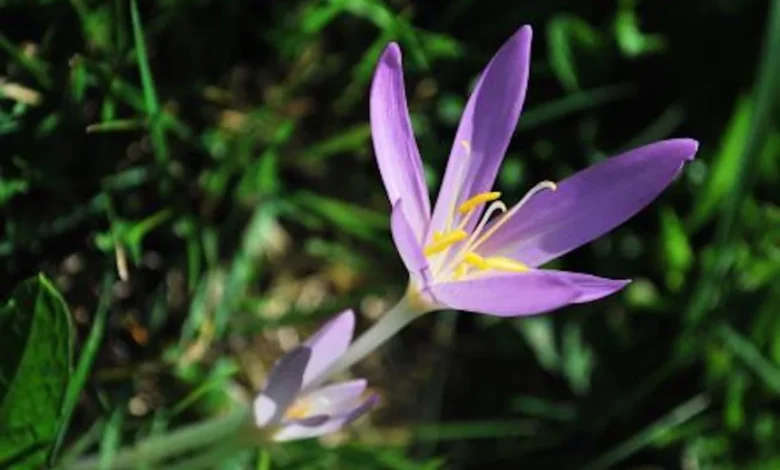
The recent implementation of Decision 143/2026/QĐ-UBND by the Hanoi People’s Committee has brought sweeping changes to urban landscape management in Vietnam’s capital, most notably through the prohibition of 18 specific plant species in public spaces. Among the newly banned flora is Colchicum autumnale, commonly known as meadow saffron or autumn crocus. Despite its deceptive common name and superficial resemblance to edible members of the Allium genus, this toxic perennial harbors lethal properties capable of causing fatal poisoning in humans and livestock alike. As municipal authorities move to systematically replace hazardous vegetation across parks, sidewalks, and communal gardens, botanists and public health officials have stepped forward to explain the severe risks associated with unauthorized exposure to these restricted plants.
Understanding the Plant: Taxonomy and Morphology of Colchicum autumnale
To the untrained eye, the common name "tỏi độc" (poisonous garlic) in Vietnamese might suggest a close botanical relationship with culinary garlic, onions, or ornamental lilies. However, Dr. Ngô Đức Phương, Director of the Vietnam Institute of Medicinal Materials, clarifies that Colchicum autumnale belongs neither to the Allium genus nor the Amaryllidaceae family. Instead, it is classified within the Colchicaceae family, native to temperate regions of Europe, where it frequently populates damp meadows and grasslands.
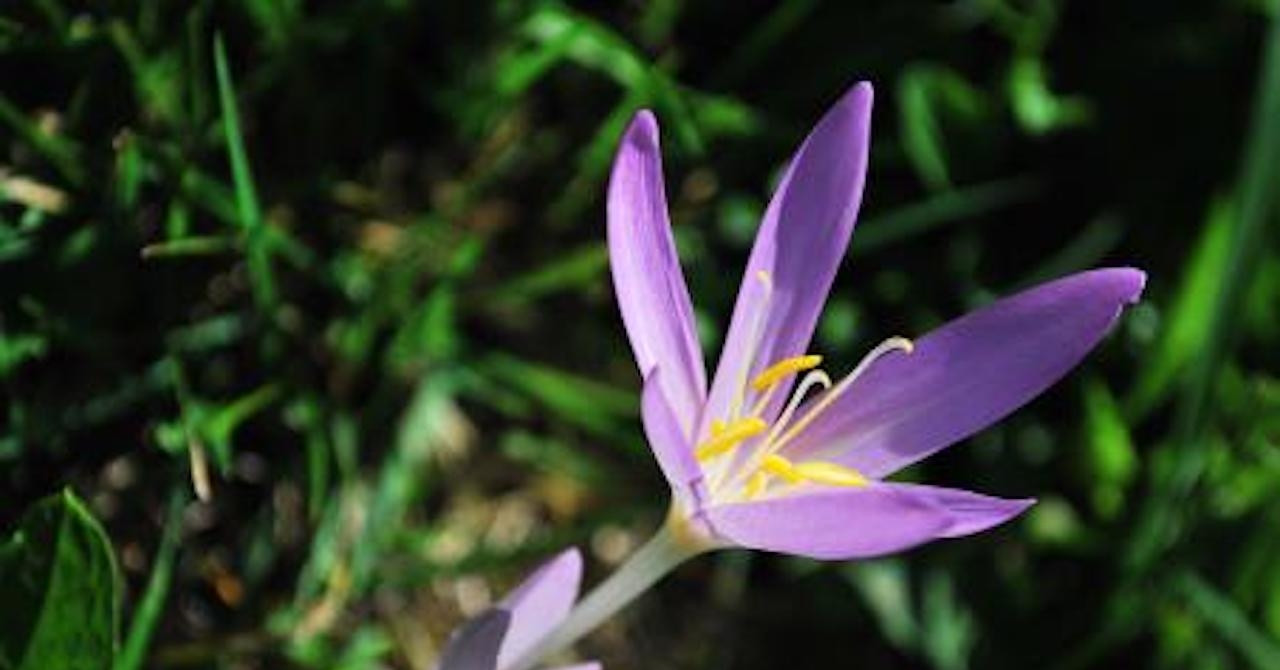
Colchicum autumnale is a perennial geophyte featuring small, underground corms—bulb-like storage organs—typically standing 10 to 30 centimeters tall when in bloom. The plant produces delicate, pale purple or pink cup-shaped flowers that emerge in autumn, often long after the leaves have withered away. This deceptive beauty masks a profound biological hazard. Every part of the plant, from its underground corm to its flowers and seeds, contains high concentrations of toxic alkaloids, with colchicine being the most notable and dangerous compound.
The Biochemical Mechanism of Colchicine Toxicity
The primary danger posed by Colchicum autumnale stems from the presence of colchicine, a potent and fast-acting alkaloid. Colchicine interferes directly with the polymerization of tubulin, a cellular protein essential for the formation of microtubules. By disrupting microtubule networks, colchicine halts cellular division (mitosis) and impairs intracellular transport.
Tissues characterized by rapid cell turnover—most notably the mucosal lining of the gastrointestinal tract and the bone marrow—are disproportionately and severely affected by this mechanism. When ingested, the toxin rapidly attacks the digestive system, leading to initial symptoms such as severe abdominal pain, persistent nausea, vomiting, and acute diarrhea shortly after consumption.
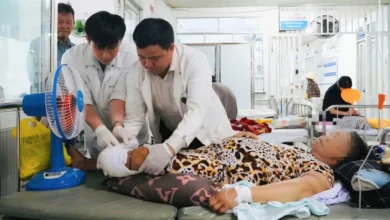
In moderate to severe cases of poisoning, the clinical picture deteriorates rapidly. Patients may develop profound dehydration, severe electrolyte imbalances, multi-organ failure, and extensive bone marrow suppression that compromises the body’s immune and circulatory systems. Tragically, a hallmark of colchicine poisoning is its delayed progression; severe systemic complications can manifest hours or even days after the initial gastrointestinal symptoms appear, catching patients and medical personnel off guard.
The Paradox of Colchicine: Modern Medicine Versus Folk Remedy
The inclusion of Colchicum autumnale in Hanoi’s public ban underscores a fascinating paradox in natural sciences: a substance that is violently toxic in its raw, natural state can also serve as a vital pharmaceutical agent when strictly processed and dosed.
In modern medicine, purified colchicine is a recognized therapeutic agent used under strict clinical guidelines. Its primary indications include the treatment and prophylaxis of acute gout flares, as well as the management of familial Mediterranean fever and certain cardiovascular conditions. Because colchicine suppresses neutrophil motility and inflammatory pathways, it effectively curtails the excruciating joint inflammation characteristic of gout attacks.
However, Dr. Phương emphasizes that the therapeutic window—the margin between a dose that provides medical benefit and a dose that causes severe toxicity—is exceptionally narrow. Consequently, the pharmaceutical preparations utilized in clinical settings are manufactured under rigorous laboratory controls, guaranteeing precise active ingredient concentrations and standardized dosing regimens.
In contrast, the concentration of colchicine within raw, wild, or cultivated specimens of Colchicum autumnale fluctuates wildly depending on soil composition, climate, maturity, and the specific plant part harvested. Because of this unpredictability, Dr. Phương has issued stern warnings against any attempts by citizens to forage, harvest, soak in alcohol (making herbal tinctures), or self-medicate with plants found in nature.
"Medicines containing colchicine are manufactured with exact, verified dosages and comprehensive safety guidelines," Dr. Phương explained. "However, the active ingredient concentration in raw plants can vary drastically. Therefore, self-prescribing, soaking plants in wine, or processing toxic plants at home to treat ailments like gout is extremely dangerous and can easily prove fatal."
The Broader Scope of Hanoi’s Urban Flora Overhaul
The ban on Colchicum autumnale is not an isolated regulatory measure; it forms a core component of Decision 143/2026/QĐ-UBND, a comprehensive municipal initiative aimed at eliminating 18 hazardous plant species from Hanoi’s public landscape. Alongside toxic meadow saffron, the city’s prohibited list targets flora known for producing severe skin irritations, possessing dangerous thorns, or posing structural risks to urban infrastructure and public health.
Among the notable plants identified in the municipal directive are Nerium oleander (trúc đào), Cerbera manghas (mứt hoa trắng or trứng cá), and various species featuring caustic saps capable of inducing severe dermatitis, contact allergies, and blistering upon skin contact. Additionally, trees with brittle wood prone to snapping during seasonal monsoons and tropical storms have been systematically scheduled for removal to protect pedestrians, vehicles, and overhead utility lines.
Urban planners and environmental management boards in Hanoi have developed a phased replacement strategy. Rather than executing sudden, disruptive clearances, municipal landscaping crews are gradually substituting restricted plants with safe, native, and aesthetically pleasing urban tree species that enhance air quality without threatening public safety.
Public Health Implications and Community Guidelines
The enforcement of Decision 143/2026/QĐ-UBND reflects a growing proactive stance by Vietnamese municipal authorities toward urban safety and public health education. Parks, school zones, and residential sidewalks are spaces intended for communal recreation, yet historical landscape choices occasionally prioritized rapid growth or ornamental appeal over biological safety.
Public health advocates and toxicologists stress that community awareness is essential for preventing accidental poisonings, particularly among children and domestic animals who may be attracted to colorful flowers or berries in public parks. While urban authorities bear the responsibility of removing toxic species from municipal grounds, citizens are advised to remain vigilant regarding private gardens and to refrain from introducing unknown or potentially hazardous plants into residential areas.
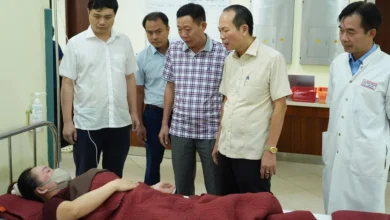
Furthermore, medical professionals urge anyone suspecting plant-induced poisoning to seek emergency medical attention immediately rather than relying on home remedies. Given the delayed onset of multi-organ failure associated with toxins like colchicine, early hospital admission and supportive care remain the only viable defenses against catastrophic health outcomes.
As Hanoi continues its transition toward a safer, more sustainable urban ecosystem, the strict regulation of species like Colchicum autumnale serves as an essential reminder that nature’s beauty must be balanced with rigorous scientific oversight to protect the urban populace.