Bình Dương Accelerates Digital Transformation and Innovation to Prevent Middle-Income Trap and Maintain Competitive Edge

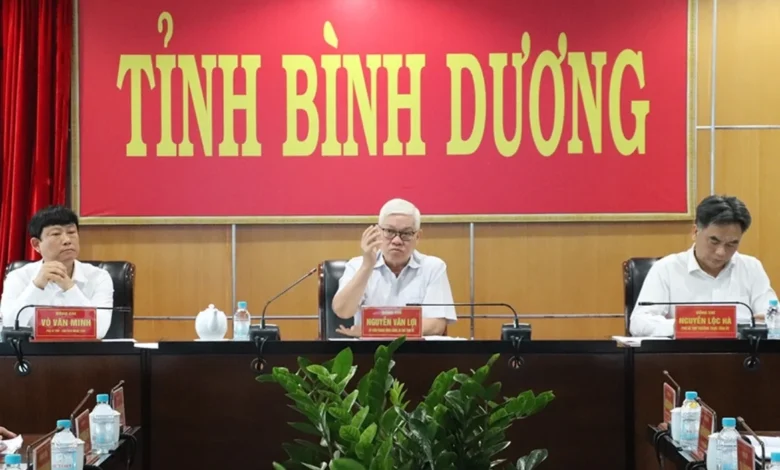
Bình Dương province is taking decisive steps to operationalize Resolution No. 57-NQ/TW issued by the Politburo, focusing on breakthrough developments in science, technology, innovation, and digital transformation. Speaking at the inaugural meeting of the provincial Steering Committee for Science, Technology, Innovation, and Digital Transformation on February 10, 2025, Mr. Nguyễn Văn Lợi, Member of the Central Committee of the Communist Party of Việt Nam, Secretary of the Bình Dương Provincial Party Committee, and Head of the Provincial National Assembly Delegation, emphasized that shifting toward an innovation-driven economy is no longer optional. It is a critical survival strategy to prevent the middle-income trap and preserve the province’s competitive edge in the regional and global arenas.
Strategic Imperatives and Institutional Framework
The establishment of the dedicated Steering Committee marks a pivotal institutional milestone for Bình Dương as it seeks to translate high-level national policies into localized, actionable strategies. Pursuant to Resolution No. 57-NQ/TW, the Provincial Standing Committee issued Decision No. 1830-QĐ/TU, officially formalizing the governance structure tasked with spearheading the technological and digital transition.
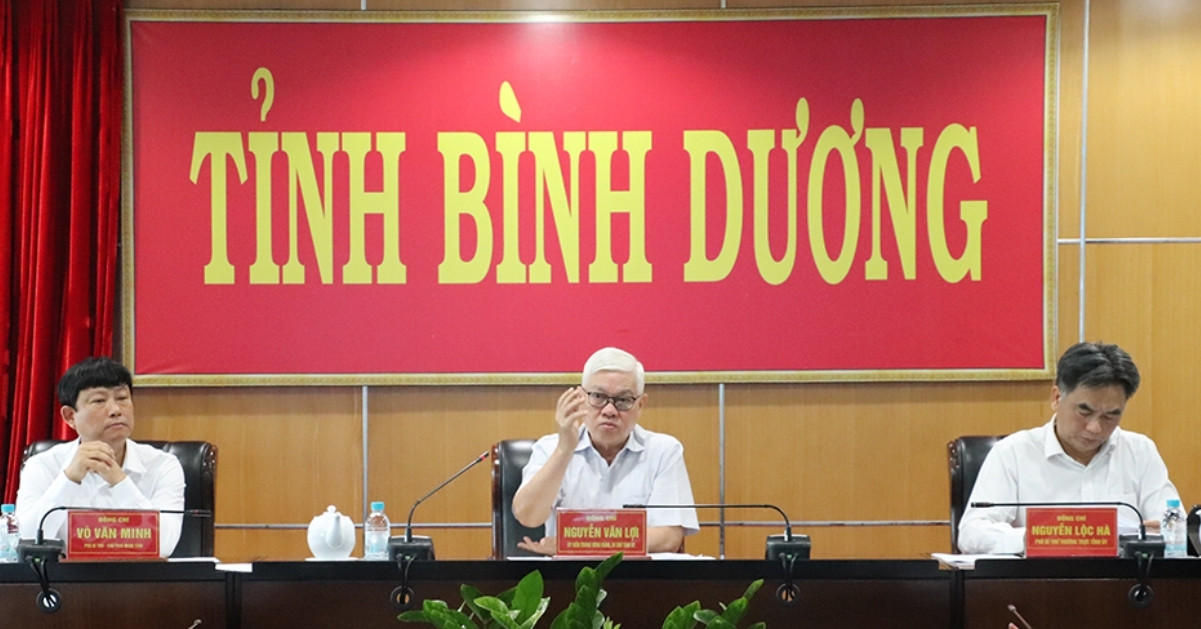
During the February 10 session, provincial leaders reviewed and finalized key structural components, including the establishment of an elite provincial-level Advisory Council and a specialized assisting task force. These bodies are mandated to draft comprehensive operational regulations, outline clear functional duties, and set robust Key Performance Indicators (KPIs) spanning the period from the present through 2030.
Mr. Nguyễn Văn Lợi stressed that all levels of government, departments, and business enterprises must synchronously adopt digital transformation and creative methodologies. The province is tasked with channeling substantial public and private resources into socio-economic infrastructure, scientific research, and technological advancement. Simultaneously, Bình Dương aims to accelerate administrative reforms to construct a transparent, frictionless, and highly competitive investment environment.
Background and Context: Overcoming the Traditional Growth Model
For decades, Bình Dương has served as one of Việt Nam’s primary industrial powerhouses, attracting massive foreign direct investment (FDI) driven largely by labor-intensive manufacturing and land advantages. However, as regional competition intensifies and global supply chains evolve, traditional growth drivers are showing signs of exhaustion.
Rising labor costs, tightening environmental standards, and the global shift toward Industry 4.0 necessitate a fundamental economic restructuring. Without a rapid transition toward high-value-added industries, digital governance, and smart manufacturing, the province faces the genuine risk of stagnation. Resolution No. 57-NQ/TW provides the precise policy architecture needed to pivot Bình Dương from a labor-dependent economy to a knowledge-based, innovation-centric hub.
The province’s leadership has made it clear that digital transformation is the central axis around which future socio-economic development will revolve. This involves not only upgrading industrial parks into smart, green zones but also fostering a thriving local startup ecosystem and cultivating a highly skilled digital workforce capable of meeting modern industrial demands.
Substantial Progress and Digital Milestones Achieved in 2024
Bình Dương’s ambitious agenda is backed by a track record of tangible technological achievements realized throughout 2024. The province has systematically laid the groundwork for a comprehensive digital ecosystem, demonstrating strong administrative commitment and execution capability.
In the realm of infrastructure and administrative modernization, Bình Dương successfully submitted a proposal to the Prime Minister for the approval and establishment of the Bình Dương Central Information Technology Park. Additionally, the province inaugurated the Bình Dương Digital Transformation Center, establishing a centralized institutional anchor for all technological initiatives.
Operational efficiency within public administration has seen dramatic improvements. The province successfully rolled out a centralized paperless meeting room system, implemented the Single Sign-On (SSO) electronic identification and authentication system, and deployed multi-tiered information security frameworks aligned with national standards.
Notably, Bình Dương’s administrative procedure resolution information system achieved a remarkable first-place ranking among 63 provinces and centrally-run cities nationwide. Furthermore, 100% of information security levels for local agencies and organizational units have received official approval, underscoring the province’s commitment to robust cyber defense.
Quantitative Metrics of Digital Adoption
The scope of digital integration across Bình Dương is further illustrated by key performance indicators recorded entering 2025:
- Online Public Services: The proportion of administrative procedures successfully deployed as online public services reached 78.41%.
- Public Digital Signatures: The total number of public digital signatures issued to citizens for administrative authentication has surpassed 156,993.
- Smart Operations: The Provincial Intelligent Operations Center (IOC) has successfully integrated and managed data streams from 100% of provincial departments, boards, and sectors, while establishing real-time data-sharing connections with district-level IOCs. Four district-level smart monitoring and operation centers are now fully functional.
- Mobile Applications: The province has officially launched the "Chính quyền số" (Digital Government) and "Bình Dương số" (Digital Bình Dương) mobile applications, bridging communication gaps between local authorities, citizens, and enterprises.
Furthermore, Bình Dương’s proactive approach to international and national collaboration was highlighted by its joint organization of the second National Forum on Digital Economy and Digital Society, cementing its reputation as a pioneer in digital policy implementation.
Analytical Implications and Future Outlook
The strategic push led by Secretary Nguyễn Văn Lợi and the newly empowered Steering Committee signals a mature phase in local governance. By linking high-level political directives with rigorous administrative execution, Bình Dương is effectively insulating its economy against future external shocks.
The implications of this multi-faceted digital shift extend far beyond bureaucratic efficiency. For investors, a streamlined administrative process, paperless approvals, and secure digital identification translate into reduced operational friction and lower compliance costs. For citizens, accessible public services and transparent data systems foster greater trust in local government institutions.
As Bình Dương moves forward toward its 2030 targets, the primary challenge will lie in maintaining the momentum of institutional reform and ensuring that digital inclusion reaches all segments of society and enterprise. By steadfastly implementing Resolution 57-NQ/TW, Bình Dương is not merely upgrading its technological capabilities; it is actively redefining the blueprint for sustainable, innovation-led regional development in Việt Nam.