The ancient practice of yoga, once primarily associated with spiritual introspection, breath control, and the pursuit of inner peace, is undergoing a profound transformation. In recent years, the discipline has been rebranded as "Yogasana," a competitive sport that features judging panels, point systems, medal ceremonies, and, most controversially, aspirations for inclusion in the Olympic Games. This shift has ignited a global debate, pitting the traditionalist view of yoga as a path toward self-transcendence against a modern, athletic interpretation that treats the human body as a performance instrument.
The Rise of Yogasana: From Mat to Stadium
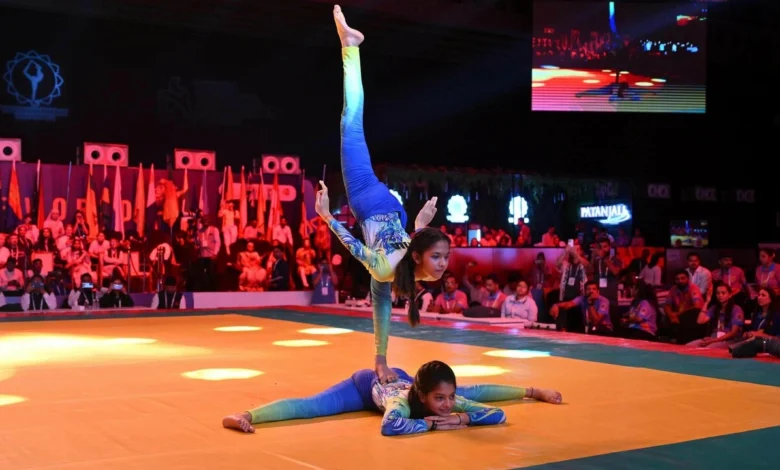
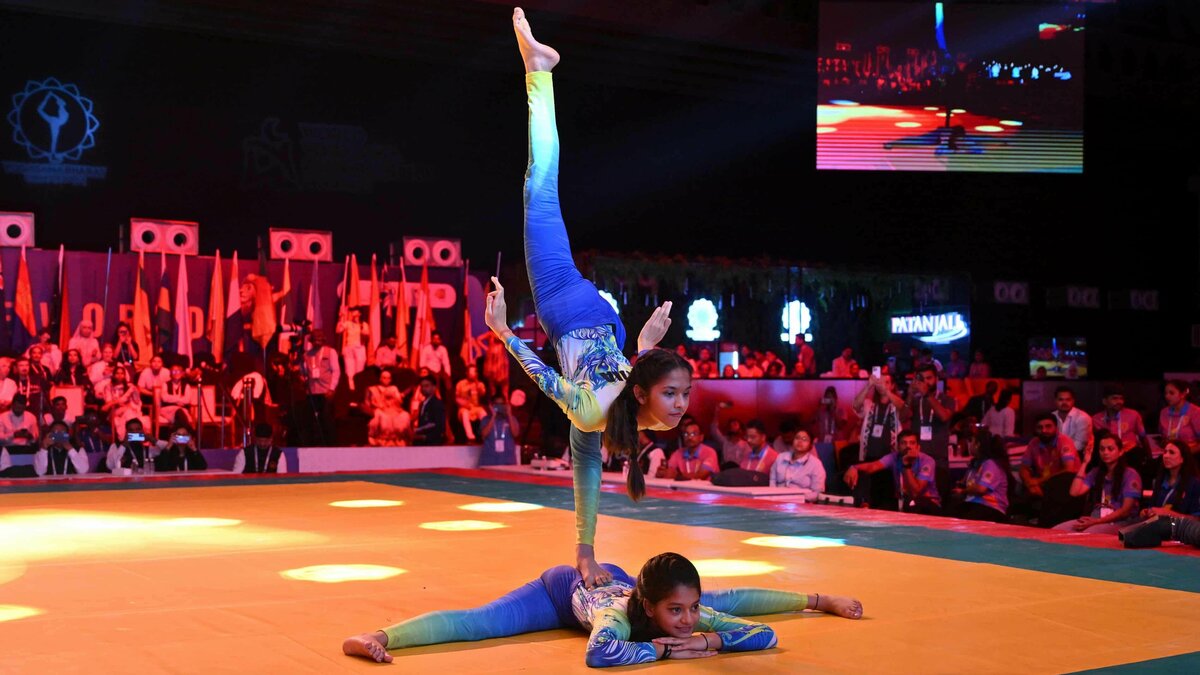
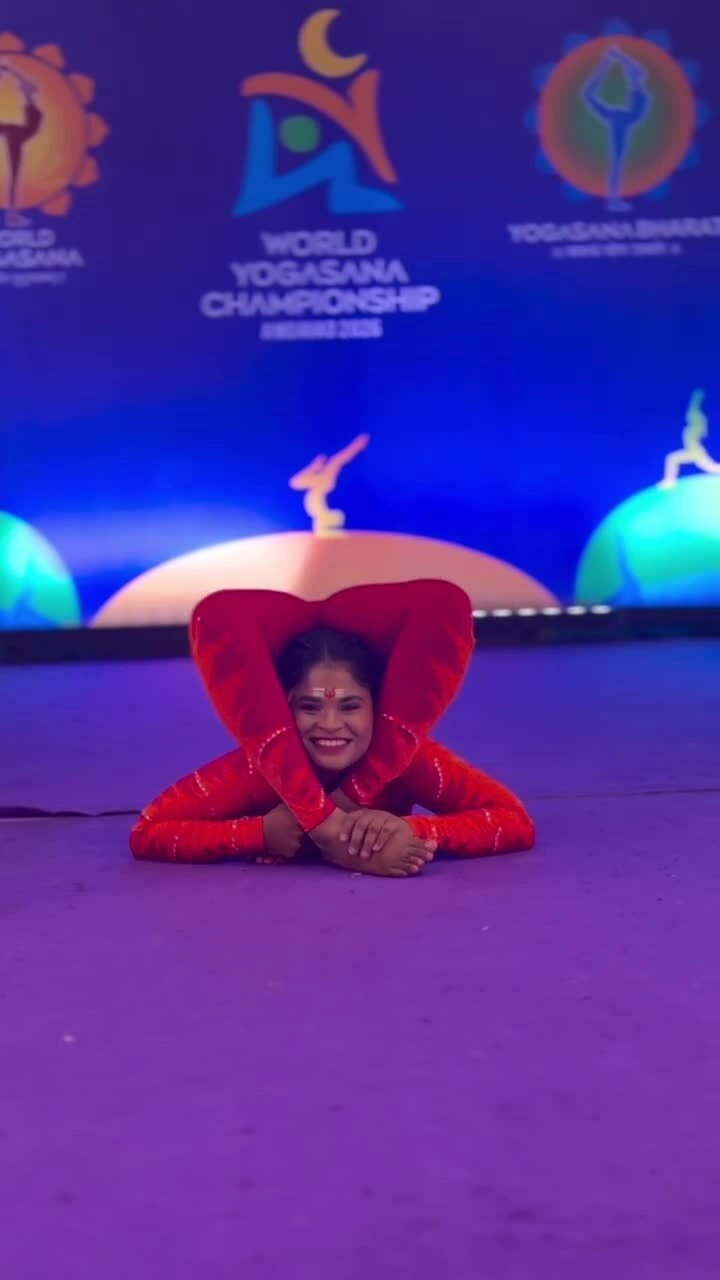
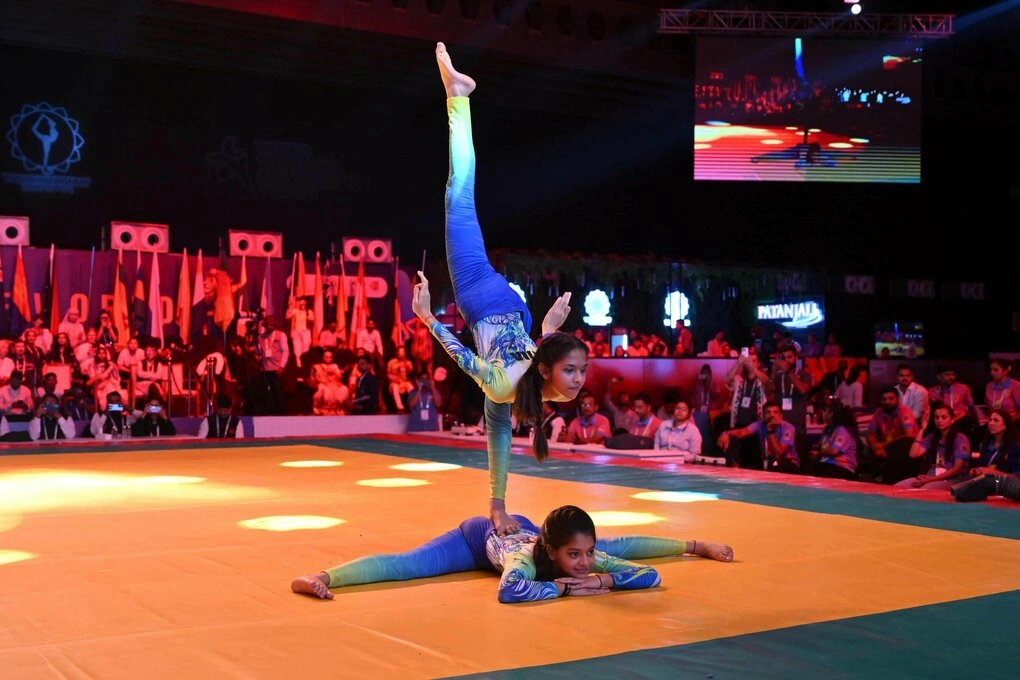
The transformation was on full display in June 2026 during the inaugural World Yogasana Championship held in Ahmedabad, India. The event was a significant departure from the quiet, meditative sessions typically associated with yoga retreats. Instead, the scene was one of high-energy competition: pulsing Bollywood rap music played in the background, bright spotlights illuminated the stage, and athletes like Vaishnavi Saravanakumar performed complex, high-velocity routines before a crowd of 2,000 spectators.
Saravanakumar, who has been dubbed the "rubber girl of India" on social media, showcased extraordinary flexibility and strength. Her performance required the endurance of a gymnast and the precision of a dancer. For the sport’s proponents, this is not a dilution of yoga but an evolution. Udit Sheth, Chairman of Yogasana Bharat, argues that Yogasana is a specific subset of the broader yoga philosophy. "If yoga encompasses meditation, breath control, and ethical principles, Yogasana focuses specifically on the physical postures, or ‘asanas,’" Sheth explained.
A Chronology of Competitive Yoga
While the 2026 Championship represented a milestone, competitive yoga is not entirely new. The movement toward organized competition dates back to 1973 in Kolkata, India. However, for decades, it remained a niche interest. The push to professionalize the sport has accelerated significantly over the last decade, driven by an effort to align yoga with international sporting standards.
The 2026 World Championship saw 522 athletes from 79 countries compete over five days. The event was modeled after traditional professional sports, featuring strict anti-doping regulations, official judges, and standardized scoring criteria based on difficulty, accuracy, balance, strength, and body control. India dominated the medal tally, securing 102 gold medals out of 114, followed by Japan and Argentina. This level of organization has led some observers, such as the Frankfurter Allgemeine Zeitung, to comment that the event felt more like a professional athletic tournament than a traditional yoga practice.
The Anatomy of a Competition
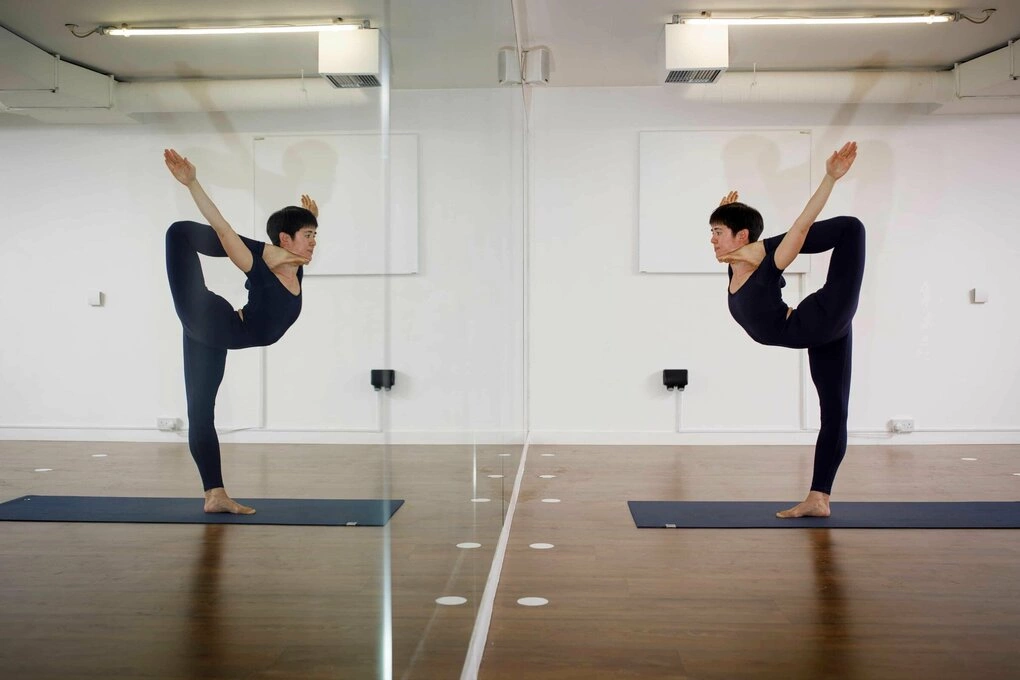
Competitive Yogasana is distinct from the restorative flow classes found in local studios. A typical competition routine lasts approximately three minutes and involves executing seven to eight high-difficulty poses. In certain categories, athletes are required to maintain a single, physically taxing pose for up to 60 seconds.
The scoring system, which mirrors gymnastics, evaluates the athlete’s ability to remain perfectly still in physically demanding postures. According to former professional ballet dancer Almania Colombo, a three-time European champion in yoga, the environment of a competition adds a layer of pressure that actually enhances the meditative aspect. "You have to find that inner stillness amidst the pressure of the stage," she explained. "Instead of continuous movement, you must control every muscle and maintain the pose under the scrutiny of judges and thousands of spectators."
The Ideological Divide
Despite the growth of the sport, the movement has met with stiff resistance. Traditionalists argue that the very essence of yoga is the dissolution of the ego—the exact opposite of a competitive environment that relies on rankings, medals, and external validation.
Divya Kohli, a long-term yoga teacher based in the UK, described the trend as "deeply concerning" and "bordering on madness." She contends that by turning yoga into a contest of who is more flexible or who can hold a pose better, the sport undermines the fundamental philosophy of the practice, which is designed to help individuals move beyond the need for external recognition.
Conversely, proponents like Sam Cruickshank, Chairman of the British Yoga Sports Federation, see the competitive element as a powerful motivator. Having started yoga at 40 and entered the competition circuit in 2018, Cruickshank believes that competitions encourage deeper commitment to practice and foster a sense of community. He draws a comparison to martial arts, such as Taekwondo or Judo, which are deeply rooted in spiritual and ethical traditions yet function effectively as Olympic sports.
Implications for the Olympic Stage
The Indian government has made it a stated goal to include Yogasana in the Olympic Games, with the 2036 Summer Olympics—which India aspires to host—being a potential target. This objective has been a catalyst for the formalization of the sport.
However, the path to the Olympic stage is fraught with bureaucratic and structural hurdles. The World Yogasana federation currently has about 40 member organizations, falling short of the International Olympic Committee (IOC) requirement of at least 50 member countries across three continents. Furthermore, the sport suffers from a lack of international cohesion, with multiple, often competing, federations and varying sets of rules and scoring systems.
Legal challenges have also surfaced. In July 2026, the Delhi High Court set aside the recognition of Yogasana Bharat as the national federation, ordering a more transparent selection process. Such internal struggles demonstrate that the sport still has a long way to go before it can be considered a cohesive, globally recognized athletic discipline.
The Future of Competitive Yoga
As the debate continues, the irony of the situation remains palpable: a discipline founded on the rejection of ambition and the ego is now chasing the ultimate symbol of human ambition—the Olympic gold medal.
Analysts suggest that even if Yogasana does not reach the Olympic stage by 2036, the professionalization of the sport has already altered the landscape of yoga. It has created a new category of "yoga athletes" who train with the same intensity as gymnasts or swimmers. For those who view yoga as a spiritual endeavor, this is a degradation of an ancient art. For those who see it as a sport, it is a long-overdue recognition of the physical mastery required to perform at an elite level.
The Frankfurter Allgemeine Zeitung captured the philosophical tension perfectly in a recent commentary: "Imagine, when Yogasana enters the Olympic Games, the masters of yoga from all over the world gather, after years of practice trying to let go of ambition, fame, and the ego. But what happens if an athlete loses a medal because of a 0.03-point deduction? Perhaps the athlete will simply take a deep breath, perform a perfect ‘crane pose,’ and let go of the ambition and ego once more, soaring above the competition."
Ultimately, whether yoga can truly remain "yoga" while being judged on a scoreboard remains an open question. As the sport moves forward, it will continue to grapple with the challenge of maintaining its historical soul while striving for modern athletic legitimacy.