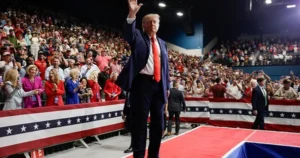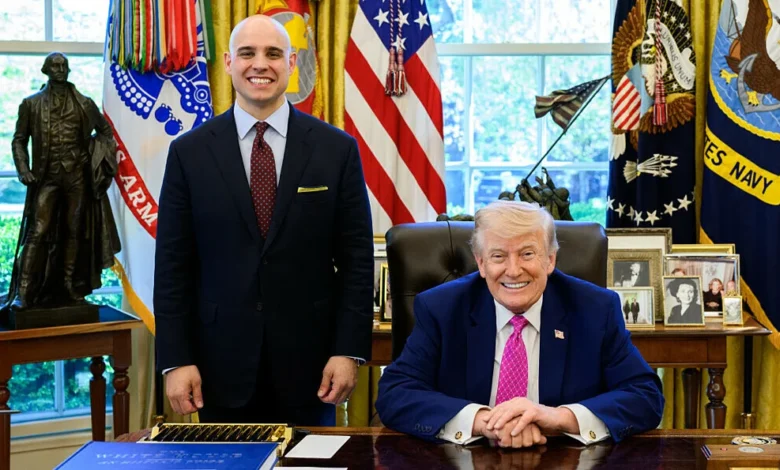
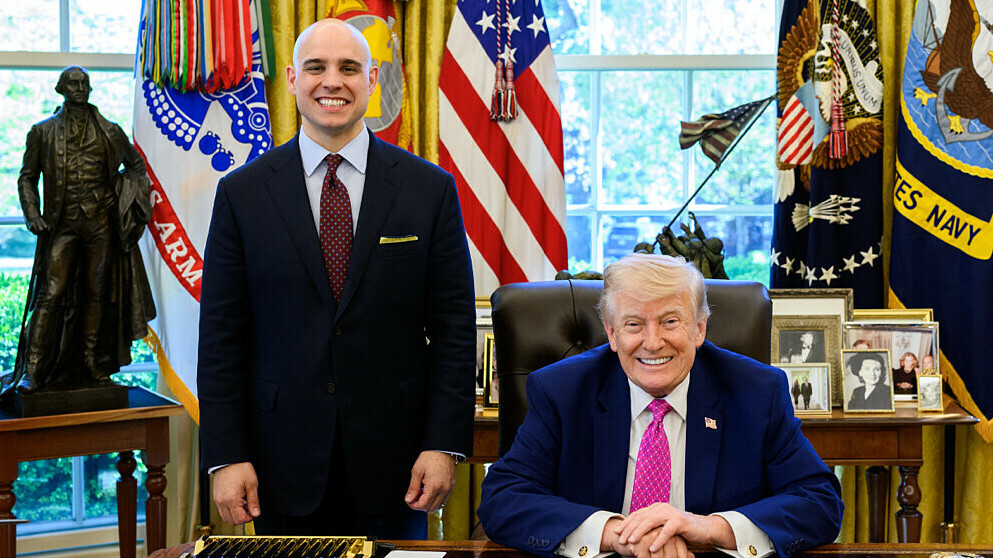
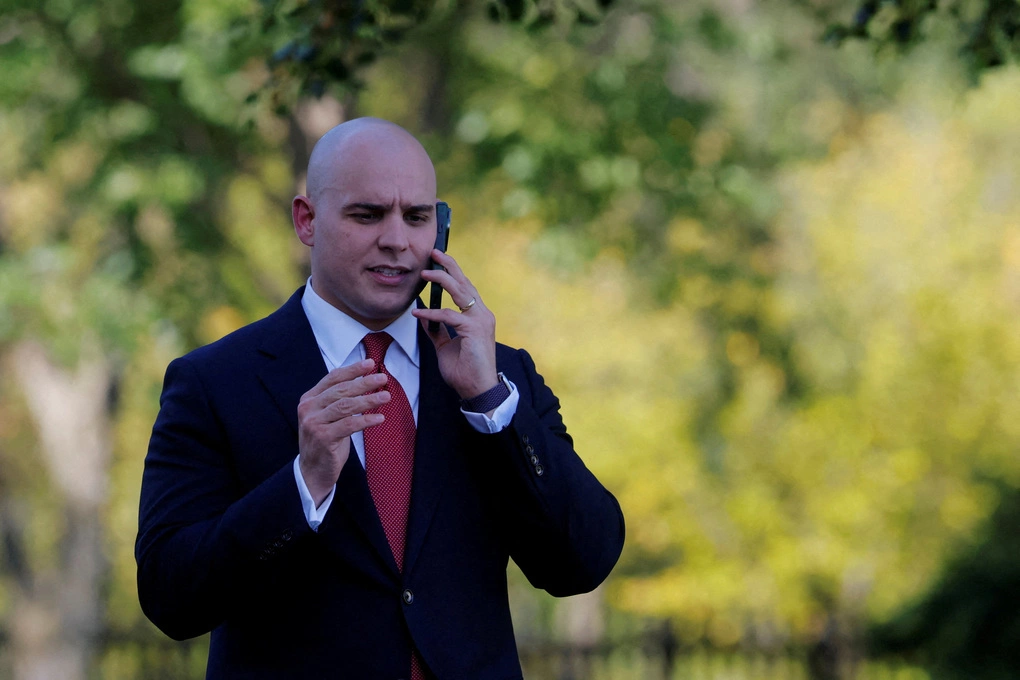
James Blair has emerged as one of the most consequential figures in the orbit of former President Donald Trump, acting as a primary architect for the Republican Party’s strategy during the high-stakes midterm elections. Known by the moniker "James the Third" among the inner circle, the 37-year-old strategist has become a central node in the Republican power structure. His work, which involves navigating the complexities of voter turnout, electoral redistricting, and party resource allocation, has placed him at the heart of political decision-making in Washington. As the nation approaches the critical November elections, the weight of the party’s success—and the future trajectory of the Trump administration’s second term—rests heavily on Blair’s tactical choices.
The Rise of a Political Operative
Born in 1989 into a middle-class Baptist family in Florida, Blair’s trajectory into the corridors of power was not conventional. After graduating from the University of Florida with a degree in finance, he entered the political arena at the age of 22, working on policy and fundraising for Richard Corcoran, who later ascended to the role of Speaker of the Florida House. Colleagues from that era recall a young man characterized by an extraordinary work ethic and a deep understanding of political machinery.
Blair’s reputation grew during his tenure with the Florida Republican establishment. In 2018, he played a senior role in Ron DeSantis’s successful campaign for governor, an operation managed by Susie Wiles. Despite early assessments that labeled the campaign as underfunded and weak, the team achieved a decisive victory. Following the win, Blair continued to serve in the DeSantis administration before pivoting back to the Trump orbit, where he rejoined Wiles to coordinate political operations in Florida. By 2022, he had solidified his position within the former President’s national team, eventually taking on the mantle of primary strategist for the 2024 campaign.
Strategic Shift: Data-Driven Mobilization
Blair’s approach to modern campaigning represents a departure from traditional Republican methodologies. While many veteran strategists in Washington favor building expansive, independent infrastructures, Blair has advocated for a more integrated model. He argues that the Republican Party can reclaim lost ground by focusing on low-propensity male voters who support Trump but have historically shown low turnout rates, rather than exhausting resources on persistent attempts to persuade moderate suburban women.
His methodology relies heavily on data-sharing partnerships between the White House, Political Action Committees (PACs), and major donors. By centralizing polling data and coordinating spending decisions, Blair aims to eliminate the inefficiency of siloed campaign operations. This transition was marked by his move from the White House to the leadership of MAGA Inc., the premier super PAC associated with the former President, which reportedly manages over $400 million in assets.
The Redistricting Gamble
Perhaps the most ambitious and controversial aspect of Blair’s tenure has been his push to aggressively redraw electoral districts in Republican-controlled states. The process of redistricting, which typically occurs every decade following the census, has been transformed by Blair into a proactive tool for securing legislative dominance.
In early 2025, Blair and his team identified a target of gaining more than 10 seats in the House of Representatives through strategic map adjustments. Working closely with Republican legislatures in states like Texas, he oversaw the implementation of new boundaries. While these efforts have been met with legal challenges from the Democratic Party—which has engaged in similar redistricting maneuvers in states like California and Utah—Blair has remained steadfast. He contends that these maps are essential for long-term party viability, particularly in the 2028 presidential cycle, where the demographic composition of voters will likely shift significantly.
A Test of Economic Messaging
The effectiveness of Blair’s strategy faced an immediate test during the early months of 2025. In February, he emphasized that the Trump campaign needed to maintain a laser focus on kitchen-table issues, specifically inflation and the rising cost of living. Data gathered from internal polling suggested that economic anxiety remained the primary driver of voter sentiment.
However, the political landscape shifted abruptly in late February when the administration launched a campaign focused on Iran. The subsequent volatility in energy markets, which saw the price of gasoline and diesel rise across the United States, complicated the economic narrative. Democratic opponents were quick to exploit this volatility, narrowing the gap in national polls and turning historically "safe" Republican strongholds, such as Kansas and Iowa, into competitive battlegrounds.
Accountability and the Future
The pressure on Blair is immense. As the midterm elections loom, the stakes are not merely about seat counts but about the legitimacy of the current administration’s political agenda. If the Republican Party fails to secure or expand its control of the House and Senate, Blair will likely become the target of intense scrutiny and potential scapegoating by party hardliners.
"You have to be extremely courageous to face down those who are considered the established guard," says Tim Saler, a data expert associated with the Trump campaign. "James has shown that he is willing to break the mold, even if it creates friction with the old guard of the GOP."
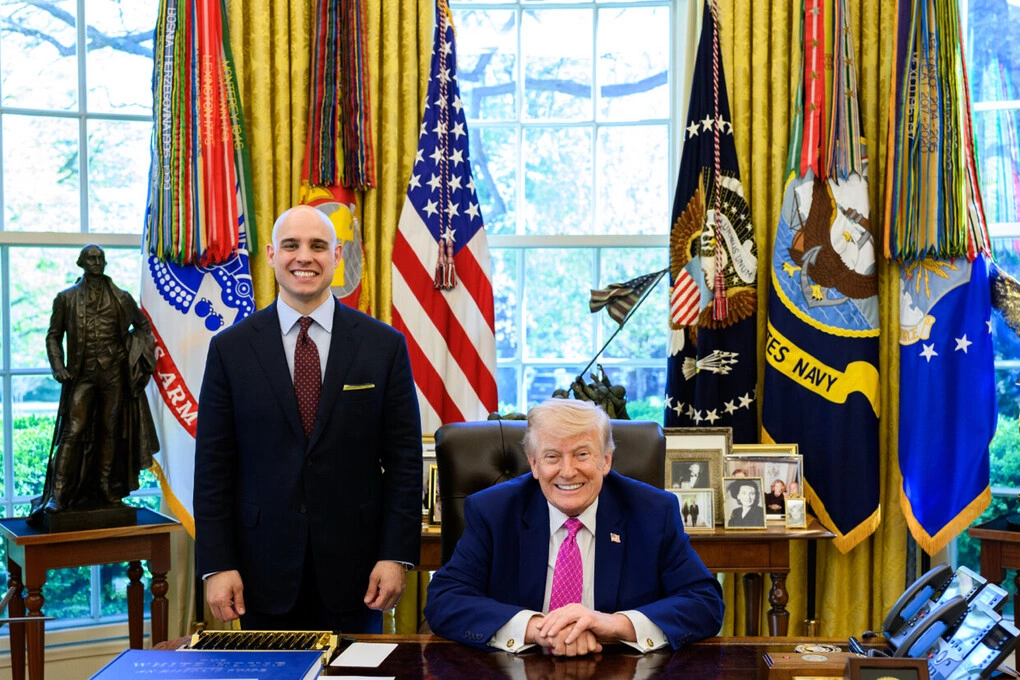
Despite the noise and the criticism from established figures like Karl Rove, Blair maintains a disciplined focus. Associates report that when questioned about his long-term career aspirations, he consistently replies that he "cannot think further than the next 24 hours," maintaining a tactical outlook centered exclusively on the immediate election cycle.
Implications for the Republican Party
The strategy championed by Blair reflects a broader transformation within the Republican Party—a shift toward a more populist, data-centric, and aggressive style of governance and campaigning. By prioritizing direct engagement with the base and utilizing every institutional lever to maximize electoral advantage, Blair is testing whether the "Trump model" of politics can be institutionalized and sustained beyond the personality of the leader himself.
As November approaches, the results will serve as a referendum on this approach. Whether the party experiences a "red wave" or a significant setback, Blair’s influence on the mechanics of American politics is already established. He has redefined the role of the campaign operative, shifting from a behind-the-scenes organizer to an active agent of institutional change.
Ultimately, the trajectory of the remainder of the current presidential term will be defined by the outcome of these midterms. If the Republican Party successfully holds its majorities, Blair will likely be credited with saving the administration’s legislative agenda from gridlock. If the party loses, his strategic decisions—particularly the controversial redistricting efforts and the focus on low-propensity voters—will undoubtedly be subjected to a historical audit by political scientists and party strategists alike. For now, however, Blair remains the man behind the curtain, meticulously adjusting the variables of a national election in real-time, waiting for the results to confirm whether his calculated risks will pay off for the party and the former President he serves.