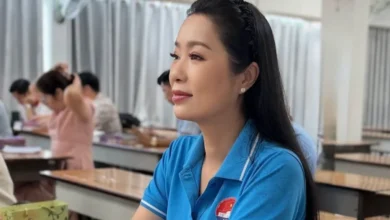
Thanh Thao: From Performing Twelve Wedding Shows Daily to Becoming a Respected Mentor in the Vietnamese Music Industry


The trajectory of Vietnamese pop singer Thanh Thao serves as a quintessential case study in the evolution of the domestic music industry over the past three decades. Known for her high-energy performances and iconic "doll-like" stage persona, the singer has transitioned from a relentless touring artist navigating the grassroots circuits of the late 1990s to a seasoned mentor and judge for contemporary talent competitions. Her career, which spans nearly 30 years, offers a comprehensive look at the grueling demands of the entertainment sector and the strategic pivots required for longevity.
The Formative Years: A Crucible of Endurance
Before the era of digital streaming and viral social media fame, the path to musical recognition in Vietnam was paved through intense live performance schedules. Thanh Thao recalls her early career as a period defined by sheer physical stamina rather than calculated marketing. During her most active phase, she was a fixture at local venues, frequently performing at 12 to 13 wedding ceremonies in a single day.
This period was characterized by logistical challenges that would be considered insurmountable by today’s standards. Without a centralized talent management system, artists were required to independently secure bookings, manage their own logistics, and maintain an repertoire that could satisfy diverse audiences in quick succession. While these years were marked by significant stress, Thanh Thao credits this "boot camp" environment with building the professional resilience and stage presence that would later become the hallmarks of her career.
The Turning Point: Professionalism and Mentorship
The pivotal moment in Thanh Thao’s trajectory occurred during a collaborative opportunity at a liveshow for the legendary singer Hoang Lan. It was during this event that she encountered the renowned composer Duc Tri, a meeting that would redefine her professional trajectory. At the time, the Vietnamese music industry was undergoing a shift toward more formalized production values. Duc Tri’s counsel was direct: if she intended to sustain a long-term career, she needed formal training.

Acting on this advice, Thanh Thao enrolled at the Ho Chi Minh City Conservatory of Music. This decision represented a fundamental shift from a performer who relied primarily on innate energy and stage intuition to a professional artist with a firm grasp of musical theory and technique. This academic grounding allowed her to navigate the transition from the "wedding circuit" to mainstream television and large-scale concert productions.
Overcoming Industry Barriers and Rejection
The road to stardom was not without institutional resistance. In her early attempts to establish herself as a recording artist, Thanh Thao frequently sought to distribute her albums through established music centers. Her initial efforts were met with rejection, as industry gatekeepers deemed her a newcomer lacking the necessary commercial "name value" to warrant investment.
These early professional setbacks provided her with a pragmatic perspective on the nature of the music business. Rather than viewing these rejections as insurmountable hurdles, she incorporated them into her understanding of the industry’s cyclical nature. This period of adversity eventually led to a strategic alliance with key industry figures who recognized her potential, effectively opening the doors to a wider public audience and securing her place in the national consciousness.
Chronology of a Three-Decade Career
The career of Thanh Thao can be categorized into three distinct phases:
- 1997–2002: The Grassroots Era. This period was dominated by live, high-frequency performances at local venues, weddings, and small-scale events. It was a time of building a fan base through direct interaction and physical presence.
- 2003–2012: The Mainstream Ascent. Following her formal education and collaboration with industry professionals like Duc Tri, this decade saw the release of several chart-topping albums and her elevation to a household name in Vietnam.
- 2013–Present: The Mentorship Phase. Leveraging her experience, Thanh Thao transitioned into roles as a judge and mentor for major television programs, most notably Hay Nghe Toi Hat 2026. This phase reflects a shift toward preserving institutional knowledge and guiding the next generation of performers.
The Role of Mentorship in Contemporary Music
Currently, Thanh Thao’s involvement in reality talent shows serves a dual purpose: it maintains her relevance in the digital age while providing structural guidance to young contestants. Her approach to mentorship is rooted in the "old school" philosophy of stagecraft. She emphasizes that while digital trends may influence popularity, the core of a lasting career remains grounded in technical competence and the ability to connect with a live audience.
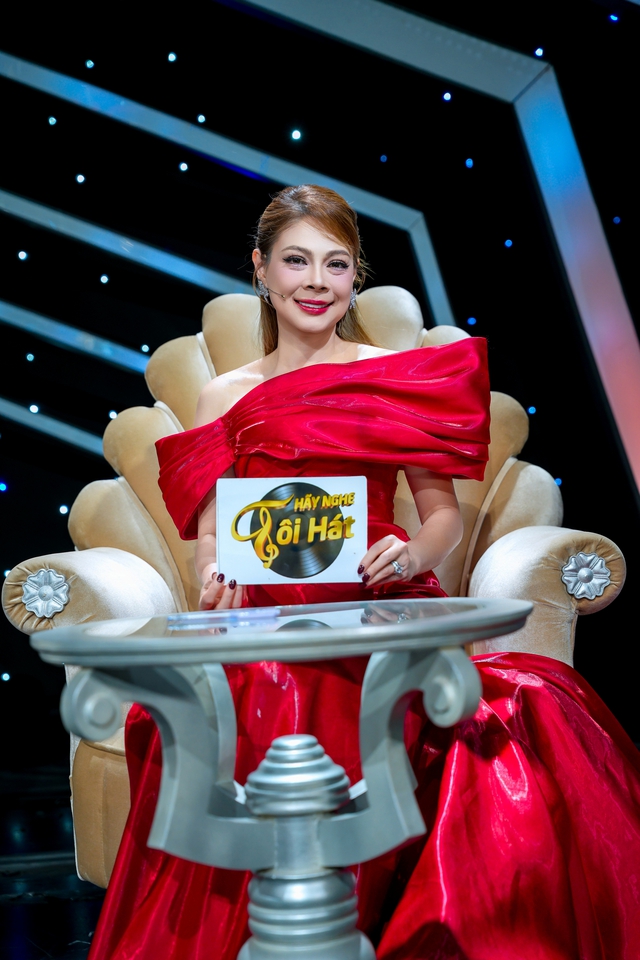
In recent interviews surrounding her role on Hay Nghe Toi Hat, she has been vocal about the necessity for young artists to invest more heavily in their song selection and performance staging. She advocates for a higher level of "artistic investment," arguing that a performer’s legacy is built on the specific moments they create on stage rather than ephemeral social media metrics.
Broader Industry Implications
The trajectory of Thanh Thao is reflective of a broader, global shift in how pop stars are manufactured and sustained. In the late 20th century, the "road-tested" artist was the standard; today, the "digitally-native" artist is the norm. Thanh Thao’s ability to bridge these two eras is significant. She serves as a conduit of professional standards, translating the lessons learned from the high-pressure environment of live wedding circuits into actionable advice for a generation that often prioritizes viral potential over technical development.
Furthermore, her career highlights the importance of institutional support. The transition from an independent artist to one backed by conservatory training and professional mentorship underscores the necessity of a functioning music ecosystem. Without the intervention of established figures like Duc Tri, the trajectory of many artists in the region might have remained confined to local, limited-audience circuits.
Looking Toward the Future
Approaching 30 years in the industry, Thanh Thao continues to maintain a rigorous professional schedule. She remains active in updating her repertoire, producing digital content, and engaging with her audience through modern platforms. For her, the "halo" of fame is secondary to the enduring satisfaction of performing.
Her philosophy on longevity is simple: an artist’s value is not measured by the height of their peak popularity, but by their ability to adapt their craft to changing times while maintaining the core passion that brought them to the stage in the first place. As she continues to guide contestants through the competitive rounds of 2026, her presence remains a testament to the idea that in the world of music, the most durable careers are those built on a foundation of discipline, resilience, and an unwavering commitment to the craft of performance.