Jensen Huang is the face of Nvidia, a figure with the greatest influence in the global semiconductor and artificial intelligence industries. He is the strategist who helped the US chip giant rapidly become a company with a market capitalization of more than $4 trillion, positioning it at the center of the AI revolution. Huang serves as the irreplaceable promoter for Nvidia, acting as the key bridge to the White House and global governments. The Nvidia CEO is also the person who reassures Wall Street whenever the AI investment wave faces volatility.
However, the cult of personality surrounding founders like Huang has exposed a significant vulnerability in the management of many AI conglomerates: the fragility of extreme centralization. This phenomenon, often referred to in corporate governance as "key-person risk," has become a glaring challenge for the tech sector as it attempts to scale.
The Cult of Personality in the AI Era
The rapid ascent of artificial intelligence has placed enormous power in the hands of a few visionary leaders. Unlike traditional manufacturing sectors where processes are standardized and institutionalized, the AI industry relies heavily on the specific intuition and strategic foresight of founders. This has led to a concentration of authority that is both a blessing and a curse.
In the case of Nvidia, Jensen Huang has long maintained a leadership style that favors a flat, direct management structure. He has famously stated that he prefers to have dozens of direct reports rather than a traditional hierarchical structure, arguing that it keeps him closer to the engineering pulse of the company. For years, this unconventional approach was seen as a competitive advantage. However, as of November 12, the sudden news regarding Huang’s transition has highlighted the potential risks of such a model. While the company has appointed CFO Colette Kress to take on interim duties, the lack of a clear, long-term succession plan has sent ripples of concern through the market.
This is not an isolated incident. The corporate landscape is replete with examples of companies tethered to a single individual:
- Tesla and SpaceX: The operational and strategic direction of these companies is almost inseparable from Elon Musk.
- OpenAI: The brand and mission of the organization are inextricably linked to Sam Altman.
- Meta: Founder and CEO Mark Zuckerberg maintains ironclad control through a dual-class share structure, ensuring that his vision dictates every major pivot.
- Anthropic: Dario Amodei has become the public face and moral compass of the company, particularly in the discourse surrounding AI safety.
The Structural Fragility of "Sun-King" Leadership
Jeffrey Sonnenfeld, a professor at the Yale School of Management, has characterized these organizations as having "Sun-King" models of leadership. While it is common for founders to hold significant voting power, Sonnenfeld warns that these companies have reached a point where they cannot effectively transition control.
"These companies have built leadership models that revolve entirely around one person," Sonnenfeld notes. "That is inherently a problem. You need a bench of talent capable of taking over when the situation demands it. The absence of a formal succession plan is highly irregular for a company of Nvidia’s stature."
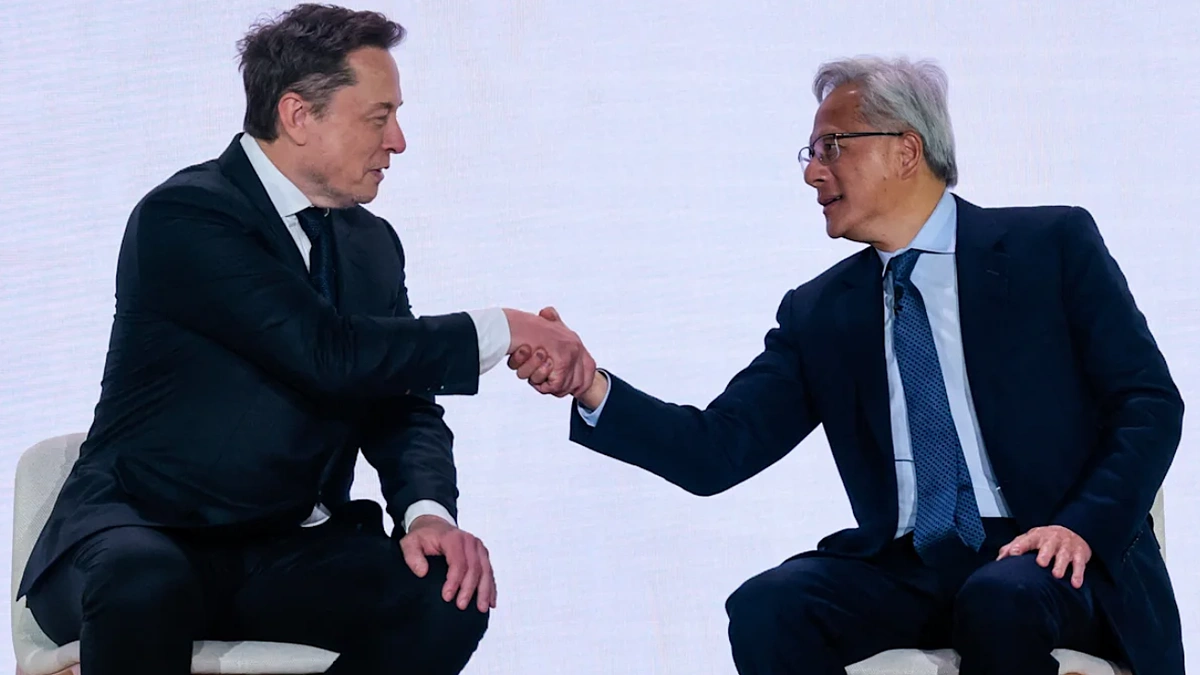
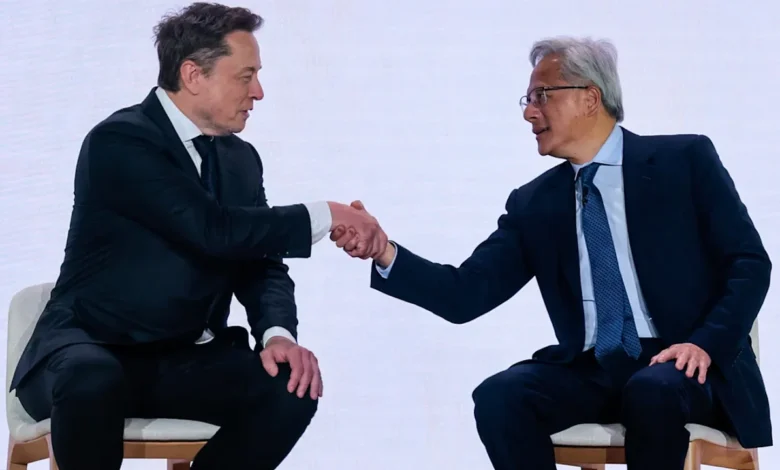
The risk is not merely about leadership style; it is about the "key-person dependency" that is now embedded in the financial filings of these entities. For instance, SpaceX recently disclosed to investors that the company is "highly dependent" on Musk’s continued involvement. They warned that the absence of Musk—whether due to health, competing interests, or a desire to step down—could lead to significant operational disruptions. Such a vacuum would hamper the execution of complex strategies and potentially damage the company’s reputation and relationships with government partners.
Chronology of Concentration
The concentration of power in AI firms has evolved alongside the rapid growth of the sector:
- 2010–2015: AI firms were smaller, research-oriented entities where founders acted as lead researchers and CEOs. This was necessary due to the nascent state of the technology.
- 2016–2020: As commercial applications (like ChatGPT and high-performance GPUs) matured, the need for professional management grew, yet founders remained the primary face of these companies to attract venture capital and talent.
- 2021–2024: The massive influx of capital into the AI sector cemented the "visionary leader" archetype. Investors prioritized leaders who could articulate the long-term potential of AI, often at the expense of robust internal succession planning.
- November 2024: The market began to reckon with the vulnerability of this model as institutional investors started demanding more rigorous governance standards for AI-dominant firms.
Data and Market Implications
The reliance on single leaders carries quantifiable financial risks. When a "key person" faces health issues or public controversy, the stock price of the associated company often exhibits high volatility. In the case of Nvidia, the market’s reaction to the news of a leadership change underscores that investors were banking on Huang’s specific leadership, not just the company’s product line.
Analysts at Yorkville Ives & Co. have noted that the highly specialized and secretive nature of the AI field makes executive transitions particularly difficult. "The CEOs who have the ability to see what is coming next are extremely rare," says Dan Ives. "When you lose that specific individual, you lose a component of the company’s ‘moat’ that is not easily replaced."
Furthermore, while traditional banks like JPMorgan Chase have successfully navigated decades of leadership through the development of a deep, experienced bench—often grooming internal successors long before a transition—the AI sector has lagged behind in this regard. The "Sun-King" model leaves no room for such institutional continuity.
The Path Forward: Institutionalizing Success
The current challenge for Nvidia and its peers is to transition from a founder-centric organization to an institutionally driven one without losing the "visionary" element that drove their success.
- Formalizing Succession: Companies must establish clear, transparent succession plans that are shared with boards and, where appropriate, disclosed to shareholders.
- Decentralizing Decision Making: Moving away from a model where 60 people report directly to the CEO is essential for long-term scalability. This requires empowering a C-suite with the authority to drive strategy.
- Governance Reform: Boards must exert greater independence. In many AI firms, board members are close allies or long-time associates of the founder, which limits the board’s ability to act as a check on the CEO’s power.
Nvidia’s recent move to appoint Colette Kress as the interim CEO is a defensive maneuver designed to maintain stability. However, the search for a permanent successor will be a litmus test for the company. The new leader will not only need to manage the world’s most valuable chipmaker but also convince the market that the company can sustain its pace of innovation without the singular, day-to-day oversight of its founder.
Ultimately, the AI industry is reaching a point of maturity where the "founder-as-god" model is becoming a liability. Investors, regulators, and employees alike are beginning to recognize that the long-term health of these organizations depends on their ability to evolve into self-sustaining institutions that are larger than any one person. The era of the individual visionary must eventually give way to the era of the institutional architect if these companies hope to remain at the forefront of the technological landscape for the next thirty years.