Pyogenic Granuloma on the Lip: A Case Study of Vascular Proliferation and Laser Intervention

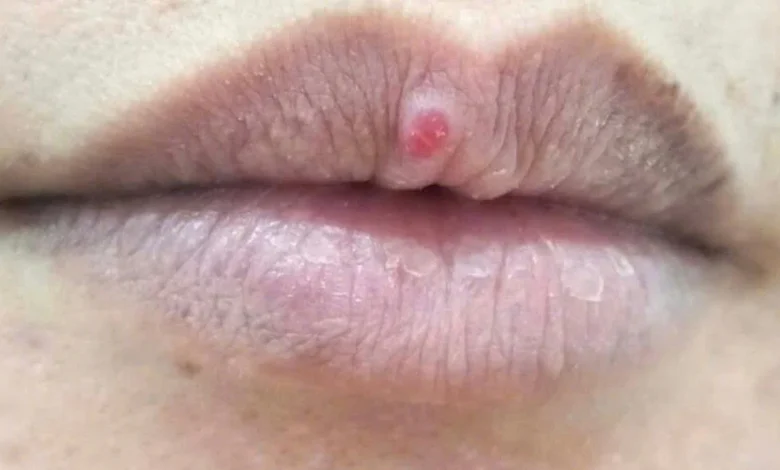
A 34-year-old patient, identified as Hoang, recently sought specialized medical intervention at the Tam Anh General Hospital in Hanoi after enduring persistent bleeding and significant discomfort caused by an oral lesion. The growth, which had developed on his lip following minor local trauma, was clinically diagnosed as a pyogenic granuloma. This case underscores the importance of prompt medical evaluation for persistent oral lesions that may otherwise be mistaken for minor injuries or inflammatory responses.
Clinical Presentation and Diagnosis
The lesion presented as a mushroom-shaped growth with a distinct reddish hue, measuring approximately 8 millimeters in diameter. Upon examination, Dr. Doan Minh Thanh of the Dermatology Department at Tam Anh General Hospital confirmed the diagnosis. A pyogenic granuloma is a benign, vascular-rich lesion that commonly manifests on the skin and oral mucosa.
Despite its misleading name—which suggests an infectious origin—the condition is not caused by bacterial pathogens. Instead, it is characterized by the excessive proliferation of capillaries at the site of a minor injury. These lesions often emerge following physical trauma, such as a lip bite, sharp dental edges, or poor dental hygiene that irritates the soft tissue. Furthermore, hormonal fluctuations, particularly those associated with pregnancy, are known to act as a catalyst for such vascular growths.
Chronology of the Condition
Hoang’s experience began with what he initially perceived as a minor laceration on his lip. However, in the days following the initial injury, the area began to increase in size and intensity. The patient reported recurrent bleeding, which was exacerbated by simple daily activities such as eating, brushing teeth, or even accidental contact with the lesion.
The rapid development of the mass—growing over the span of only a few weeks—is a classic hallmark of pyogenic granuloma. The high density of proliferating capillaries renders these lesions extremely fragile. Even minimal mechanical stress can trigger significant hemorrhaging, which in turn causes substantial distress to the patient and interferes with normal daily activities. In Hoang’s case, the persistent bleeding and the physical prominence of the lesion on his lip necessitated professional medical intervention to prevent infection and further complication.
The Mechanism of Laser Intervention
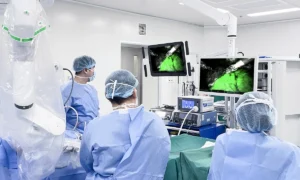
To address the growth, medical professionals at Tam Anh General Hospital employed a targeted approach using the Nd:YAG laser system via the Fotona Dynamis platform. This technology operates on the principle of selective photothermolysis, a medical technique that allows for the precise destruction of specific targets—in this case, the hemoglobin within the dilated blood vessels—without damaging the surrounding healthy tissue.
The procedure is highly favored in modern dermatology for its minimally invasive nature. By delivering energy directly into the vascular core of the tumor, the laser effectively "seals" the blood supply, causing the mass to shrink and eventually undergo necrosis. This method offers several clinical advantages, including a significantly reduced risk of intraoperative bleeding, shorter procedure times, and a decreased likelihood of postoperative scarring, making it an ideal treatment for delicate areas such as the lips, eyelids, or the oral cavity.
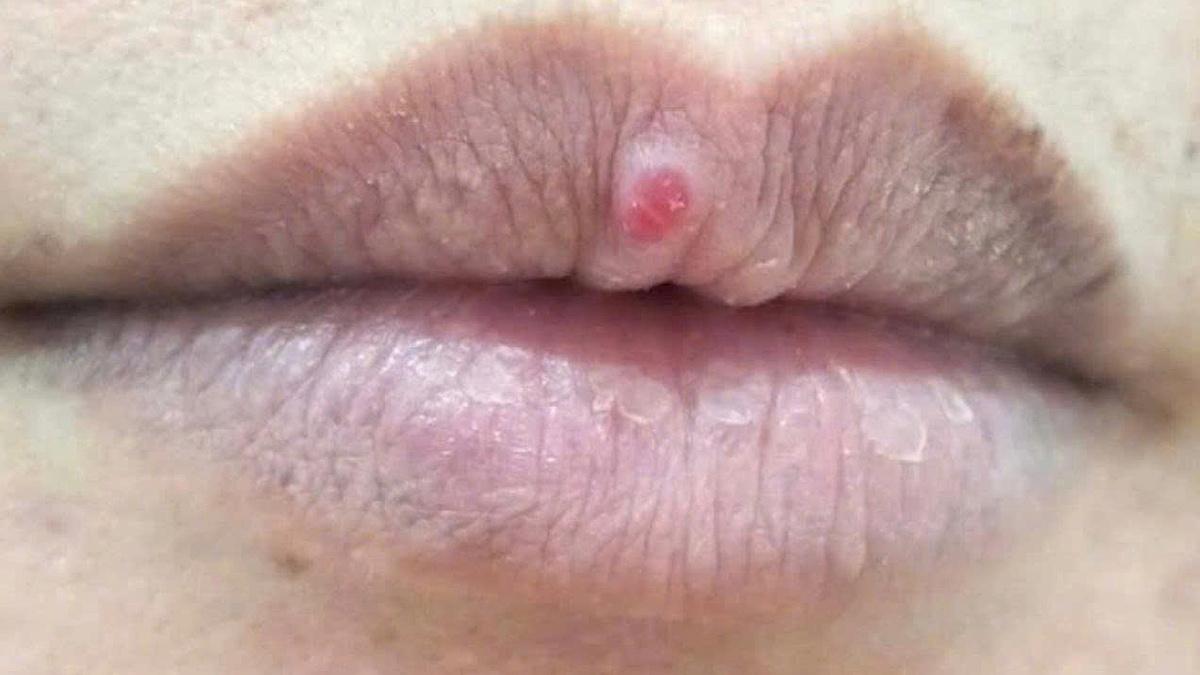
Following local anesthesia, the laser was applied to the base of the lesion, causing an immediate change in color as the blood supply was interrupted. According to clinical protocols for this type of procedure, the treated area typically forms a scab within one week, after which the healthy mucosal tissue begins to regenerate.
Supporting Medical Context and Statistics
Pyogenic granulomas are most frequently observed in children and young adults, though they can occur at any age. Clinical data indicates that these lesions are more common in women, often linked to the high levels of progesterone and estrogen during pregnancy, which are known to enhance vascular permeability and growth.
While the exact incidence rate in the general population is difficult to track due to the high frequency of spontaneous resolution for smaller lesions, dermatological records consistently show that oral pyogenic granulomas account for a significant percentage of reactive gingival lesions. The mouth is a particularly vulnerable environment; the constant exposure to mechanical trauma from chewing, the presence of oral bacteria, and the inherent vascularity of the oral mucosa create a "perfect storm" for the development of such hyperplastic responses.
Differential Diagnosis and Risks of Delay
A critical component of managing oral lesions is the differential diagnosis. While pyogenic granuloma is benign, its clinical appearance can sometimes mimic more serious conditions. Dr. Thanh emphasized that it is imperative for clinicians to distinguish these lesions from:
- Hemangiomas: Congenital vascular malformations.
- Oral Polyps: Overgrowths of mucosal tissue.
- Squamous Cell Carcinoma: A form of skin cancer that, in its early stages, can present as a non-healing ulcer or a mass.
The potential for misdiagnosis highlights the risks associated with self-treatment. Patients who attempt to remove these growths through home remedies, such as cutting, cauterizing with household tools, or applying traditional herbal pastes, often inadvertently introduce secondary infections. Such actions can lead to excessive, uncontrolled bleeding, chronic inflammation, and an increased likelihood of permanent scarring. Furthermore, delaying professional care allows the lesion to grow, which complicates the final surgical or laser-assisted removal process.
Broader Implications for Oral Health
The case of Hoang serves as a broader reminder of the necessity of maintaining oral hygiene and seeking medical advice for persistent or "atypical" wounds. In the oral cavity, most minor injuries, such as accidental bites or small mucosal tears, typically resolve within three to five days. When a lesion persists, grows rapidly, or bleeds frequently without provocation, it is an objective indicator that the healing process has been disrupted by an underlying pathology.
From a public health perspective, increasing awareness about the difference between a standard mouth ulcer and a vascular tumor could improve clinical outcomes. Early intervention not only mitigates the physical discomfort associated with pyogenic granuloma but also provides the patient with the psychological relief of knowing the lesion is benign.
Conclusion
As illustrated by this case, modern dermatological treatments have evolved to prioritize patient comfort and cosmetic outcomes. The use of advanced laser technology allowed for the efficient management of a potentially disruptive lesion with minimal downtime. For patients facing similar issues, the consensus among medical professionals is clear: avoid self-medication, maintain rigorous oral hygiene, and consult with a specialist at the first sign of abnormal growth or persistent bleeding. Through prompt, professional diagnosis and evidence-based treatment, conditions like pyogenic granuloma can be managed safely, preventing long-term complications and ensuring the restoration of normal oral function.