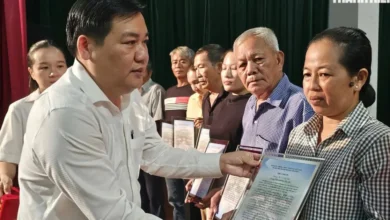
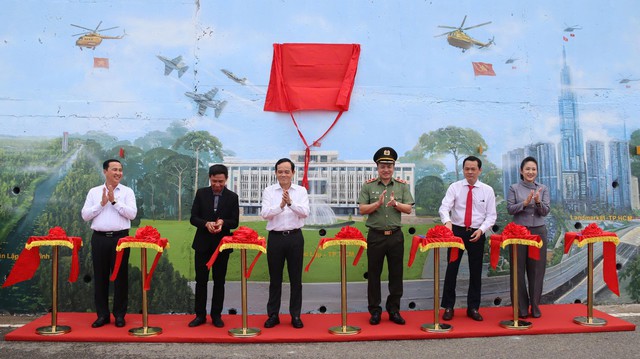
On July 25th, in the picturesque setting of Con Dao Island, the Ho Chi Minh City Police Department proudly inaugurated a significant public art project: a colossal mural depicting a unified Vietnam. This artistic endeavor, titled "Vietnam United – A Symphony of 34 Provinces," is not merely a visual spectacle but a profound narrative woven into the fabric of the island’s landscape. The unveiling ceremony was graced by the presence of Tran Luu Quang, Deputy Secretary of the Ho Chi Minh City Party Committee, underscoring the project’s importance and official endorsement.
This monumental artwork commemorates several key anniversaries: the 79th anniversary of the War Invalids and Martyrs’ Day (July 27, 1947 – July 27, 2026), the 81st anniversary of the People’s Public Security Force’s Day (August 19, 1945 – August 19, 2026), and the 21st anniversary of the National Border Guard Day (August 19, 2005 – August 19, 2026). The mural’s strategic placement and thematic depth aim to encapsulate the spirit of national unity and the nation’s remarkable journey of development and reunification.
A Canvas of History and Resilience
The mural stands as a testament to Vietnam’s enduring spirit, particularly in the context of its post-reunification development and the administrative restructuring that has reshaped its landscape. Con Dao Island, a location steeped in historical significance as a former penal colony and now a burgeoning tourist destination, provides a poignant backdrop for this artwork. The island’s serene natural beauty, characterized by its azure seas and lush primeval forests, offers a stark yet harmonious contrast to the mural’s powerful historical and cultural narrative.
Beyond its aesthetic appeal, the project is envisioned as an important public art installation that contributes to the cultural and economic landscape of the region. It is not just a painting on a wall; it is a carefully crafted piece of public art with a grand vision. The artwork is designed to narrate the story of a unified Vietnam, resonating with pride and an unwavering spirit that has propelled the nation forward through periods of immense challenge and transformation.
Artistic Vision and Panoramic Storytelling
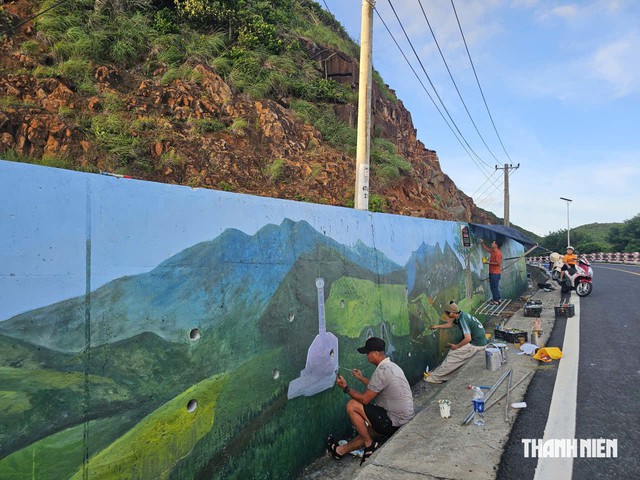
Unlike conventional murals, this project adopts a continuous, panoramic form, unfurling across five distinct wall sections. These sections are strategically positioned along the central avenue leading to Con Dao Airport, creating an unbroken visual narrative that stretches from the North to the South of Vietnam. This deliberate design choice ensures a seamless and immersive experience for viewers, allowing them to traverse the length of the country through art.
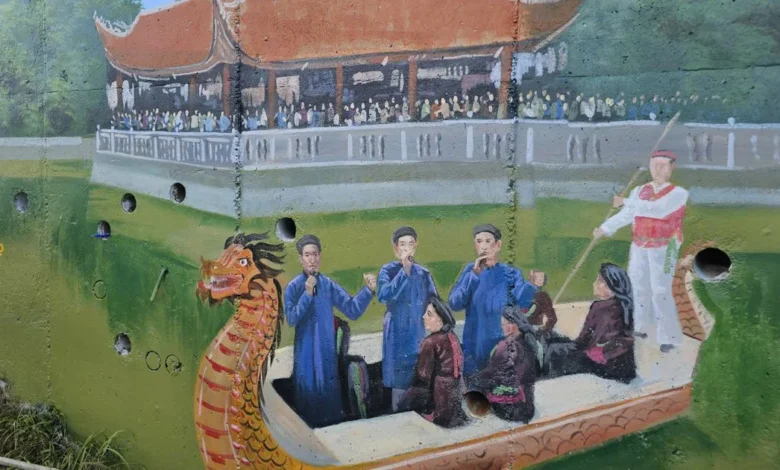
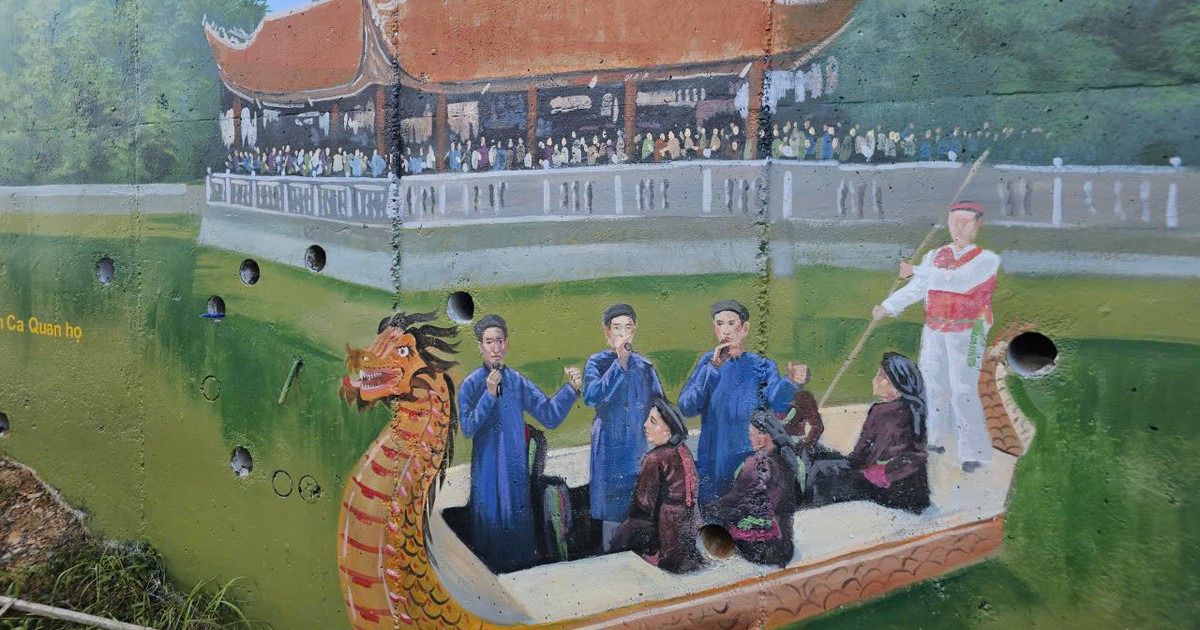
Each segment of the mural is intended to be a microcosm, a symbolic representation of Vietnam’s diverse natural landscapes, rich history, and vibrant culture. The artwork is meticulously curated to evoke specific emotions and spark a sense of exploration. It aims to transport viewers on a journey of discovery across the nation, encouraging them to delve into the unique character and essence of each region. The narrative is crafted to inspire pride and a deep appreciation for the nation’s heritage, blending natural beauty with historical narratives and the daily lives of its people.
Celebrating Unity Amidst Administrative Evolution
A key highlight of this artistic endeavor is its focus on representing the 34 provinces that constitute modern Vietnam following a series of administrative mergers and reorganizations. The selection of iconic landmarks and cultural symbols from each of these provinces is a deliberate effort to showcase the collective identity and shared heritage of the nation. The artists have meticulously chosen imagery that reflects not only the geographical diversity but also the cultural richness and historical significance of each administrative unit.
The mural aims to create a powerful visual symphony, where the distinct identities of individual provinces merge to form a harmonious whole, representing a united Vietnam. This artistic representation transcends mere geographical boundaries, aiming to foster a deeper understanding and appreciation of the nation’s unified spirit. The visual language employed is designed to be both evocative and accessible, allowing for an immediate emotional connection with the artwork and the stories it tells.
A Catalyst for Cultural and Educational Engagement
This monumental artwork serves a dual purpose: it enhances the aesthetic appeal of Con Dao Island, transforming it into a cultural hub, and it acts as an educational tool. The mural provides a visually engaging platform for people to learn about the history, geography, and culture of Vietnam. By integrating contemporary artistic styles with historical narratives, the project offers a fresh and accessible way to engage with national heritage.
The artists have employed a modern aesthetic, blending vibrant colors and dynamic compositions to create a visually striking and memorable experience. This approach makes the artwork relatable to a broad audience, including younger generations who may be less familiar with traditional historical depictions. The narrative is constructed to guide viewers through a rich tapestry of Vietnamese experiences, fostering a sense of connection and belonging.
Symbolism and Emotional Resonance
Each panel of the mural tells a story, designed to evoke strong emotions and serve as a powerful reminder of the nation’s journey. The imagery chosen is deeply symbolic, representing not only the physical beauty of Vietnam but also the resilience, determination, and unity of its people. The artwork seeks to inspire a profound sense of patriotism and national pride, reinforcing the idea of a shared destiny and a common future.
The use of evocative language in the mural’s descriptions, such as "a symphony of life" and "a vibrant narrative," underscores the artistic intent to create an experience that is both visually captivating and emotionally resonant. The goal is to foster a deeper connection with the land, its history, and its people, strengthening the sense of national identity and shared purpose.
The Strategic Significance of Con Dao Island
The choice of Con Dao Island as the location for this significant mural is deeply symbolic. Historically, Con Dao was a place of immense suffering and sacrifice, serving as a notorious prison island during French colonial rule and the Vietnam War. Today, it has transformed into a symbol of peace, resilience, and burgeoning economic development, attracting tourists with its pristine beaches and rich historical sites.
Placing this mural on Con Dao imbues it with a powerful double meaning. It stands as a testament to the nation’s ability to overcome past traumas and emerge stronger. It represents the triumph of unity and progress over division and hardship. The island’s transformation from a site of imprisonment to a place of beauty and national pride mirrors Vietnam’s own journey of reunification and development. The mural’s presence here serves as a constant reminder of the sacrifices made and the hard-won peace that underpins the nation’s present prosperity.
A Vision for Cultural Tourism and National Identity
The "Vietnam United – A Symphony of 34 Provinces" mural is poised to become a significant landmark, attracting both domestic and international tourists. Its strategic location near the airport ensures it will be one of the first and last impressions visitors have of Con Dao, serving as a powerful introduction to Vietnam’s rich cultural heritage and its spirit of unity.
The artwork is expected to contribute significantly to the island’s cultural tourism offerings, providing visitors with a unique and immersive experience. It is more than just a tourist attraction; it is a cultural pilgrimage, a space for reflection, and a celebration of Vietnamese identity. The mural aims to foster a deeper appreciation for the nation’s history, its people, and its aspirations for the future.
Data and Context: Vietnam’s Development Trajectory
To fully appreciate the significance of this mural, it is essential to consider Vietnam’s remarkable post-reunification development. Since 1975, Vietnam has undergone a profound transformation, moving from a war-torn nation to one of the fastest-growing economies in Southeast Asia. Key milestones in this journey include:
- Economic Reforms (Doi Moi): Initiated in 1986, these reforms shifted Vietnam from a centrally planned economy to a "socialist-oriented market economy," opening the country to foreign investment and trade.
- GDP Growth: Vietnam has consistently achieved impressive GDP growth rates, averaging around 6-7% annually in recent decades. This economic expansion has led to significant improvements in living standards, poverty reduction, and infrastructure development.
- International Integration: Vietnam has actively pursued international integration, joining organizations such as ASEAN (1995), the World Trade Organization (WTO) (2007), and signing numerous free trade agreements, including the Comprehensive and Progressive Agreement for Trans-Pacific Partnership (CPTPP).
- Infrastructure Development: Significant investments have been made in transportation networks, energy, and telecommunications, transforming the country’s physical landscape and facilitating economic activity.
- Administrative Restructuring: The mural’s theme of 34 provinces reflects ongoing administrative reforms aimed at optimizing governance and resource allocation. This process, which has involved mergers and reorganizations of provincial-level administrative units, seeks to streamline bureaucracy and enhance efficiency. For example, recent years have seen mergers of provinces like Ha Nam and Ninh Binh, or Quang Ninh and Hai Phong, to create larger, more economically viable administrative entities. This consolidation aims to foster regional economic cooperation and strengthen national competitiveness.
The mural’s narrative of unity and progress resonates deeply with this backdrop of national development and transformation. It visually encapsulates the collective spirit that has driven Vietnam’s remarkable achievements.
Statements and Reactions (Inferred)
While specific direct quotes from officials involved in the project are not detailed in the initial report, the presence of the Deputy Secretary of the Ho Chi Minh City Party Committee at the inauguration strongly suggests a unified governmental stance on the mural’s importance. Such a project, requiring significant resources and planning, would undoubtedly have received high-level approval.
It can be inferred that officials would view the mural as a vital tool for:
- Promoting National Unity: Reinforcing the narrative of a unified and indivisible Vietnam, especially important in a nation that has experienced division.
- Enhancing Cultural Diplomacy: Showcasing Vietnam’s rich cultural heritage and historical narrative to both domestic and international audiences.
- Boosting Tourism: Attracting visitors to Con Dao and other regions by creating unique cultural and historical attractions.
- Educating Future Generations: Providing an engaging and accessible way for younger Vietnamese to connect with their history and national identity.
Local residents of Con Dao would likely view the mural with pride, seeing it as an enhancement to their island’s beauty and a symbol of their contribution to the national narrative. For tourists, it offers a powerful visual introduction to Vietnam’s history and its aspirations.
Broader Implications and Future Outlook
The "Vietnam United – A Symphony of 34 Provinces" mural is more than just a work of art; it is a symbol of Vietnam’s forward-looking vision. It represents a nation that honors its past while embracing its future. The project highlights the growing importance of public art in shaping national identity, fostering cultural tourism, and serving as a medium for historical storytelling.
As Vietnam continues its trajectory of economic growth and international engagement, such monumental projects will play an increasingly crucial role in defining its cultural landscape and reinforcing its national narrative. The mural on Con Dao Island stands as a vibrant testament to the enduring spirit of the Vietnamese people and their unwavering commitment to unity and progress. It is a powerful visual statement that will undoubtedly inspire pride and foster a deeper connection with the nation’s rich heritage for generations to come. The project’s success may well pave the way for similar initiatives in other parts of the country, further enriching Vietnam’s cultural tapestry.