In a significant escalation of its strategic targeting of Russian economic infrastructure, Ukraine has launched a series of attacks on Wildberries, a prominent e-commerce platform described as the "Amazon of Russia." The strikes, aimed at disrupting supply chains and impacting the Russian economy, come as Ukrainian President Volodymyr Zelensky is reportedly preparing for a visit to the United States, which may include a meeting with former President Donald Trump.
Wildberries Warehouses Targeted in Coordinated Attacks
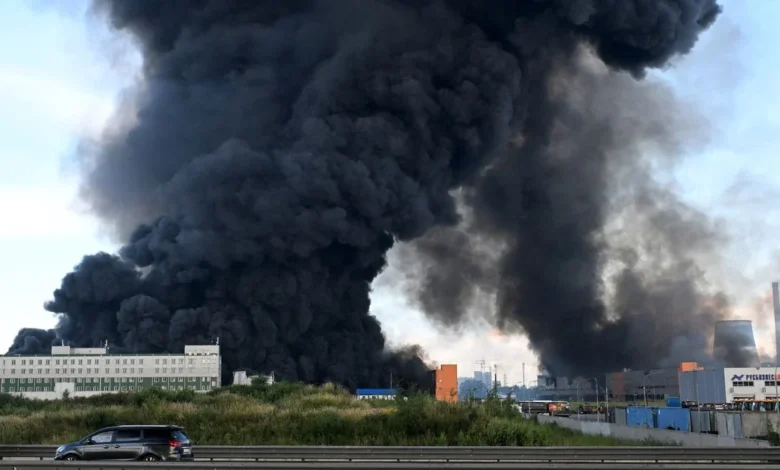
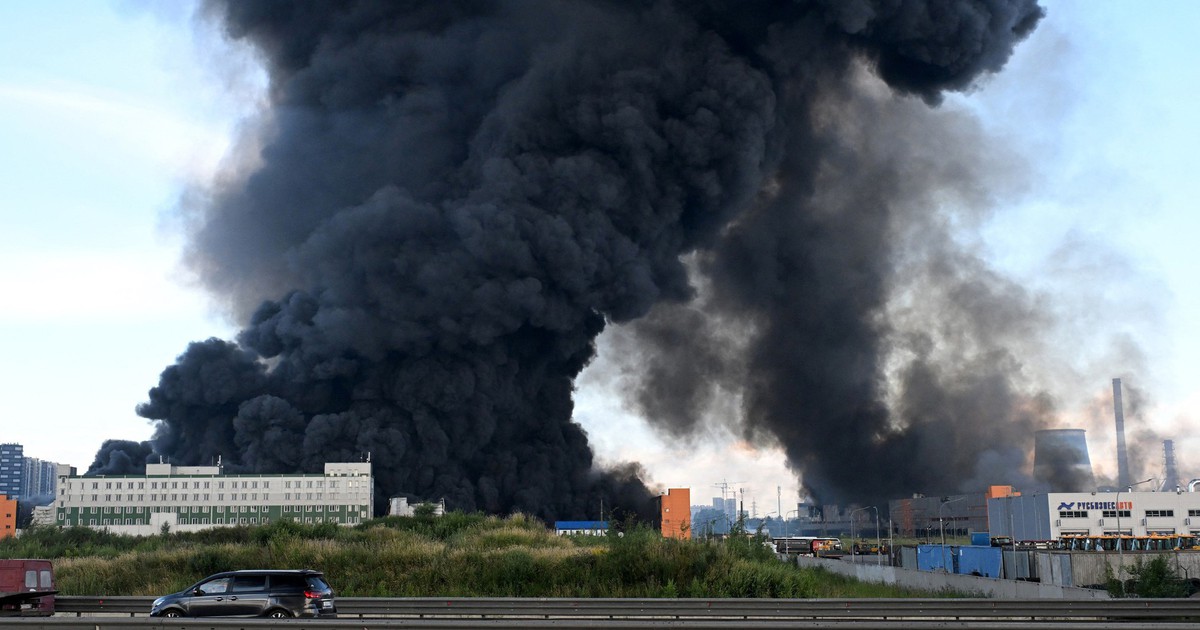
Reuters reported on July 24 that Wildberries, a cornerstone of Russia’s online retail market, confirmed that three of its major warehouses had been attacked by Ukraine. These assaults are part of a broader Ukrainian campaign to inflict economic damage and undermine critical Russian logistical networks. The company, founded by Tatyana Bakalchuk, one of Russia’s wealthiest businesswomen, stated that the recent attacks specifically targeted warehouses in the cities of Saint Petersburg and Simferopol, the administrative center of Crimea, a region annexed by Russia in 2014.
"We have lost a significant portion of our inventory. I want to thank our employees, our defenders, for the swift action taken at all warehouses," Bakalchuk stated in a message to staff. The company reported that no casualties were recorded in these incidents. Wildberries emphasized that its current priority is to redistribute inventory among its remaining warehouses to ensure efficient operations and maintain its economic stability.
This wave of attacks marks the fourth significant strike against Wildberries facilities in recent weeks. The cumulative damage aims to create significant disruption for the e-commerce giant, which has experienced substantial growth in recent years. Wildberries offers a vast array of products, including clothing, household appliances, pharmaceuticals, and cosmetics, making it a vital component of Russia’s consumer market.
Strategic Significance of Wildberries Attacks
The targeting of Wildberries is not merely an isolated incident; it represents a strategic pivot by Ukraine to leverage economic warfare alongside traditional military operations. By striking at the heart of Russia’s burgeoning e-commerce sector, Kyiv aims to exert pressure on Moscow’s financial resources and its ability to sustain its war effort. Wildberries, with its extensive logistical network and significant market share, is a symbol of Russia’s growing digital economy and its integration into global trade, albeit under sanctions.
Furthermore, the company has faced scrutiny from the European Union, which recently imposed sanctions on Wildberries for allegedly contributing to Russia’s budget. This international dimension underscores the broader geopolitical implications of the attacks. Ukraine’s actions are designed to isolate Russia economically and highlight its reliance on key commercial entities for its internal stability and external influence.
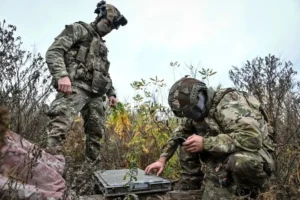
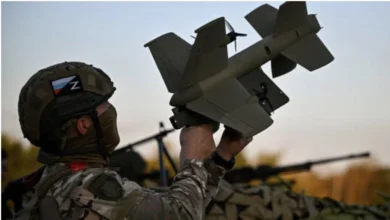
The attacks also serve to disrupt the supply of goods to Russian forces. Ukrainian intelligence has indicated that Wildberries facilities have been used to supply drone components and other military equipment to the Russian army. This revelation adds another layer of strategic importance to the targeting of these warehouses, directly impacting Russia’s logistical capabilities on the battlefield.
Timeline of Attacks and Escalation
The recent series of strikes on Wildberries facilities began around July 18th, with multiple attacks reported over the subsequent week. The cumulative impact of these assaults is designed to create sustained pressure on the company’s operations and its ability to fulfill orders. The strategic objective is to cripple its logistical backbone and, by extension, hinder its contribution to the Russian economy and military supply chain.
Prior to these attacks, Ukraine had already demonstrated its capability to strike deep within Russian territory. In June, Ukrainian drones successfully targeted facilities in Moscow, and earlier in July, the Black Sea port of Sevastopol, a key Russian naval base in Crimea, was subjected to drone attacks. The Wildberries strikes are consistent with this broader pattern of escalating Ukrainian offensive operations aimed at disrupting Russian infrastructure and morale.
Russian Response and Broader Military Context
While Russia has acknowledged the use of Wildberries for military supplies, the Kremlin has not directly commented on the specific attacks on the company’s warehouses. However, Russia continues its own offensive operations. On July 24th, the Russian Ministry of Defense announced that its forces had gained control of the settlements of Zakharivka and Ivashchyne in the Kharkiv region of Ukraine. Ukraine has yet to comment on these claims.
Simultaneously, Russia has maintained its barrage of missile and drone attacks on Ukrainian cities. On July 24th, Kyiv experienced a rare daylight air raid, with multiple explosions reported across the capital. The Ukrainian Air Force had issued warnings of incoming Russian missiles targeting the capital region. Kyiv Mayor Vitali Klitschko confirmed multiple explosions within the city, though details regarding casualties or damage were not immediately available. This attack followed a significant overnight drone assault on Kyiv on July 19th, which President Zelensky described as one of the largest large-scale drone attacks of the war.
Zelensky’s Anticipated US Visit and Diplomatic Maneuvers
Amidst these escalating military and economic hostilities, Ukrainian President Volodymyr Zelensky is reportedly preparing for a significant diplomatic visit to the United States. Sources suggest that the visit, scheduled for the upcoming week, could include a meeting with former President Donald Trump in Washington D.C. This potential meeting carries considerable geopolitical weight, given Trump’s past rhetoric regarding Ukraine and his influence within the Republican party.
The visit is ostensibly to attend the memorial service for Senator Lindsey Graham, a staunch supporter of Ukraine, who is scheduled to be honored on July 28th. Graham passed away on July 11th after a trip to Kyiv, and he was a vocal advocate for continued U.S. support for Ukraine. His memorial service is expected to draw prominent international figures, offering a high-profile platform for Ukrainian diplomacy.
The Ukrainian Presidential Office has been finalizing the details of President Zelensky’s trip. A U.S. official indicated that the meeting with Trump could take place in Washington on July 28th. This potential encounter occurs at a critical juncture in U.S.-Ukraine relations, with ongoing debates in Congress regarding the extent and duration of American aid to Kyiv.
Prior to this, diplomatic engagements between Washington and Kyiv have intensified. On July 22nd, a delegation led by former Trump administration official Matt Whitaker visited Kyiv to discuss the potential delivery of Patriot missile systems and to explore the possibility of a UAV agreement between the U.S. and Ukraine. Private meetings between Zelensky and Trump’s former advisors, Steve Witkoff and Jared Kushner, also reportedly took place on the same day.
In a separate development concerning peace efforts, the Kremlin announced on July 24th that Moscow would await new proposals from the United States regarding a ceasefire in Ukraine. The Kremlin has consistently stated that any such proposals would need to be accepted by Russia. This statement comes as international efforts to broker a lasting peace continue to face significant challenges, with both sides demonstrating little inclination to compromise on core demands.
Broader Economic and Social Impact
The attacks on Wildberries and the broader conflict have far-reaching implications for the Russian economy and its population. Wildberries, along with its main competitor Ozon, plays a crucial role in the Russian retail landscape. Ozon, for instance, has reported an 8.5% increase in sales of Russian-made goods and has a workforce of approximately 4 million people, representing over 5% of the country’s labor force. Disruptions to these platforms can lead to price volatility, supply chain issues, and potential job losses, further straining the Russian economy under sanctions.
The ongoing conflict also continues to exact a heavy toll on Ukrainian infrastructure and its population. The persistent missile and drone attacks on civilian centers, coupled with the destruction of critical economic assets like the Wildberries warehouses, highlight the multifaceted nature of the war. The economic pressure exerted by Ukraine on Russia through these targeted strikes is a key component of its overall strategy to weaken its adversary and ultimately achieve victory. The strategic targeting of key economic players like Wildberries signals a determined effort by Ukraine to undermine Russia’s capacity to wage war and sustain its economy.