Indian Tourist Severely Injured in Phu Quoc Canoe Accident Recovers and Returns Home After Intensive Treatment at Cho Ray Hospital

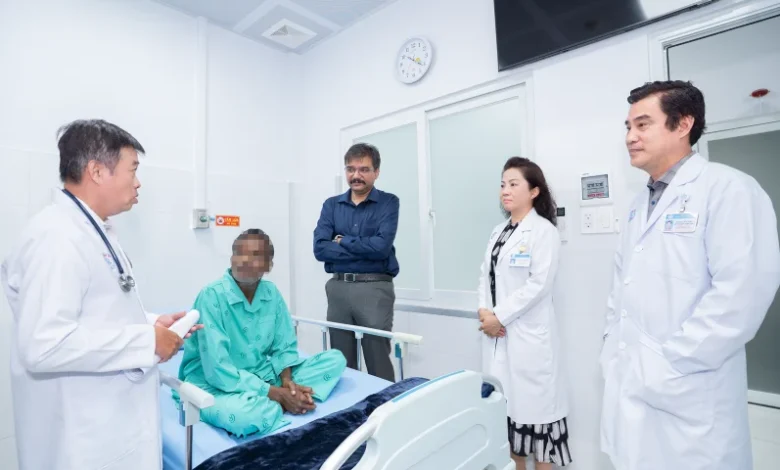
On July 25, Cho Ray Hospital in Ho Chi Minh City announced the successful recovery and discharge of an Indian male tourist who had been the most critically injured victim in a high-profile canoe capsize incident in Phu Quoc. After 12 days of intensive, specialized medical intervention, the patient’s condition stabilized significantly, marking the end of a harrowing ordeal that began in the waters of Vietnam’s premier island destination. The recovery is being hailed by the medical community as a testament to the efficacy of Vietnam’s emergency response systems and the high caliber of its top-tier healthcare facilities.
The patient, whose identity has been kept private for medical confidentiality, was part of a larger group of Indian travelers visiting Phu Quoc. His journey from the brink of death to a stable recovery involved a multi-provincial medical effort, a specialized "flying" team of doctors, and an arduous rehabilitation process. According to the hospital, the patient is now fit enough to travel back to India via a commercial flight, where he will continue his recovery under the supervision of local medical professionals in his home country.
The Critical Incident: A Tragedy in the Gulf of Thailand
The emergency began on the afternoon of July 11, when a canoe carrying a group of Indian tourists capsized near Hon May Rut Ngoai, a popular snorkeling and sightseeing spot in the Phu Quoc archipelago, Kien Giang Province. While many passengers were rescued with minor injuries, the Indian male in question suffered severe multi-trauma as a result of the accident. The incident immediately triggered a massive search and rescue operation involving local border guards, maritime authorities, and nearby tourist vessels.
Phu Quoc, often referred to as "Pearl Island," has seen a surge in international tourism, particularly from the Indian market, following the establishment of direct flight routes. However, the incident on July 11 highlighted the inherent risks associated with maritime activities during the unpredictable weather patterns of the monsoon season. The initial medical assessment at the Phu Quoc frontline medical facility indicated that the patient was in a state of deep shock, with complex internal injuries and respiratory distress, necessitating a level of care far beyond what a local island clinic could provide.
A Race Against Time: The "Flying" Medical Team
Recognizing the gravity of the situation, the Ministry of Health issued an urgent directive to mobilize maximum resources for the victims. Cho Ray Hospital, the leading multi-disciplinary facility in Southern Vietnam, was tasked with taking the lead on the most critical case. On July 12, just one day after the accident, Cho Ray dispatched an elite team of specialists to Phu Quoc. This "flying" team brought with them advanced resuscitation equipment and specialized medications to stabilize the patient on-site.
Dr. Tran Thanh Linh, Head of the Intensive Care Unit (ICU) at Cho Ray Hospital and the lead physician for the case, noted that the patient’s condition upon the team’s arrival in Phu Quoc was precarious. The decision to transfer the patient to Ho Chi Minh City was not made lightly; it required the patient to be stable enough to withstand the flight while also recognizing that his survival depended on the intensive care infrastructure available only at Cho Ray. After a successful stabilization period in Phu Quoc, the patient was airlifted to Ho Chi Minh City on July 13, where a specialized trauma team was waiting.

Twelve Days of Intensive Care and Specialized Intervention
Upon arrival at Cho Ray Hospital, the patient was admitted to the ICU in a critical state characterized by multi-trauma, including severe thoracic injuries and compromised organ function. The medical team implemented a comprehensive treatment plan that involved several departments, including Thoracic Surgery, Orthopedics, and Cardiology. The complexity of the case required constant monitoring to manage the risk of infection and potential internal bleeding.
Over the course of 12 days, the patient underwent a series of procedures designed to stabilize his vital signs and repair the damage sustained during the capsize. Dr. Tran Thanh Linh reported that the recovery process exceeded expectations. By the time of his discharge on July 25, the patient had regained the ability to walk short distances, consume food orally, and perform basic personal hygiene tasks independently. His heart rate, blood pressure, and oxygen saturation levels remained within normal ranges without the need for life-support machinery.
The hospital’s comprehensive assessment concluded that the patient was fit for international travel. To ensure his safety during the long journey back to India, Cho Ray Hospital took the extraordinary step of assigning a dedicated doctor to accompany the patient on his commercial flight. This medical escort is responsible for monitoring his condition in transit and providing a detailed medical handover to the receiving facility in India.
The Patient’s Gratitude: A "Miraculous" Recovery
In an emotional statement delivered through an interpreter prior to his discharge, the Indian tourist expressed profound gratitude toward the Vietnamese medical staff. He described his survival as a "miracle" that he had not dared to hope for during the first few days of his hospitalization.
"I cannot believe that I am standing here today, ready to go home," the patient said. "The dedication and skill of the Vietnamese doctors saved my life. I am deeply thankful for the care I received from the moment I was pulled from the water until this very second."
The patient’s family also expressed their appreciation for the support provided by the Vietnamese government and the Indian Embassy, which worked closely with hospital authorities to manage the logistical and administrative aspects of the case. The successful outcome has been viewed as a positive reflection of the international cooperation between Vietnam and India in times of crisis.
Chronology of the Emergency Response
To understand the scale of the medical effort, it is essential to look at the timeline of events:

- July 11 (Afternoon): The canoe capsizes near Hon May Rut Ngoai, Phu Quoc. The Indian tourist is rescued in a critical state and taken to a local medical center.
- July 12: The Ministry of Health directs Cho Ray Hospital to intervene. A specialist team flies to Phu Quoc with resuscitation equipment.
- July 13: The patient is stabilized and transferred via air to Cho Ray Hospital in Ho Chi Minh City.
- July 14–24: The patient undergoes intensive treatment in the ICU. Multi-disciplinary teams manage multi-trauma complications and monitor vital signs 24/7.
- July 25: Cho Ray Hospital officially announces the patient’s recovery and authorizes his discharge. Plans are finalized for his return to India with a medical escort.
Broader Implications: Safety and Medical Diplomacy
The July 11 accident has prompted a broader discussion regarding maritime safety in Vietnam’s tourism hubs. Phu Quoc, which aims to become a world-class tourism destination, relies heavily on water-based activities such as island hopping, snorkeling, and diving. Following the incident, local authorities in Kien Giang have faced calls to tighten regulations on canoe operators, including stricter enforcement of passenger limits, mandatory life jacket usage, and more frequent inspections of vessel safety equipment.
Furthermore, the successful treatment of an international tourist in a critical condition highlights Vietnam’s growing "medical diplomacy." The ability of Vietnamese hospitals to handle complex cases involving foreign nationals is a key component of the country’s appeal as a safe travel destination. The coordination between the Ministry of Health, local authorities, and top-tier hospitals like Cho Ray demonstrates a robust emergency response framework that can be activated for both domestic and international citizens.
From an economic perspective, the Indian market is one of the fastest-growing segments for Vietnamese tourism. Ensuring the safety and well-being of these visitors is paramount for maintaining the positive momentum of bilateral tourism ties. The high level of care provided to the Indian victim in this case serves as a reassuring signal to international travelers that Vietnam possesses the medical infrastructure to handle severe emergencies.
Analysis: The Role of Multi-Disciplinary Coordination
The recovery of the Indian tourist was not merely the result of luck but the outcome of a highly coordinated medical strategy. The "Golden Hour" in trauma care—the period immediately following an injury when medical intervention is most likely to prevent death—was effectively utilized by the initial responders in Phu Quoc and the subsequent "flying" team from Cho Ray.
By bringing the expertise of a central hospital to a remote island location, the Ministry of Health effectively bridged the gap in regional healthcare capabilities. This model of "on-site consultation and remote support" is increasingly being used in Vietnam to manage critical emergencies in peripheral provinces. The subsequent transfer to a specialized environment allowed for the management of the "second hit" of trauma—the inflammatory response and potential organ failure that often follows initial stabilization.
As the patient prepares to reunite with his family in India, the story of his recovery remains a powerful narrative of resilience and medical excellence. For Cho Ray Hospital, the successful discharge of their most critical patient from the Phu Quoc accident marks the end of a high-stakes mission and reinforces their position as a cornerstone of the Vietnamese healthcare system. The lessons learned from this incident will likely inform future emergency protocols, ensuring that the waters of Phu Quoc remain a safe destination for all who seek to explore them.