Nam Long Group Launches Strategic Experience Center in Thu Thiem to Spearhead Real Estate Growth in Eastern Ho Chi Minh City and Dong Nai

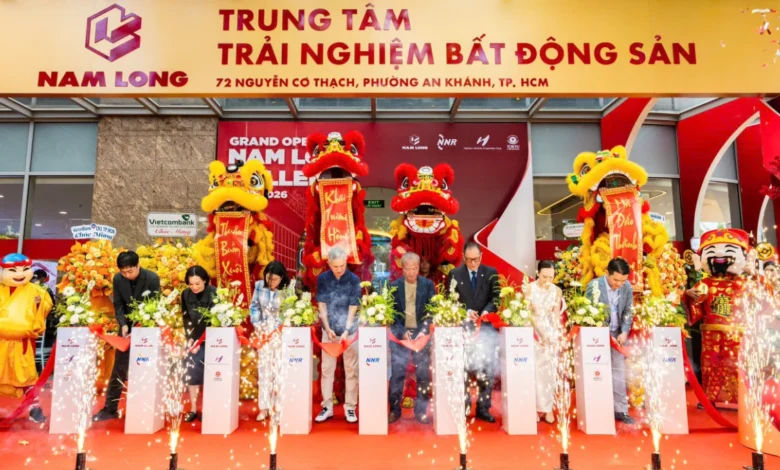
The inauguration of the Nam Long Gallery in the Sala urban area of Thu Thiem on July 25, 2026, marks a pivotal milestone for Nam Long Group as it maneuvers to capture the burgeoning demand in Vietnam’s real estate sector. This strategic opening coincides with a period of robust economic recovery and significant infrastructure breakthroughs that are reshaping the landscape of Ho Chi Minh City’s eastern corridor and its neighboring province, Dong Nai. As the Vietnamese economy enters the second half of 2026 with a reported GDP growth rate of 7.8%, the real estate market is witnessing a resurgence driven by high foreign direct investment (FDI) and a shift toward sustainable, integrated urban living.
According to data from Savills Vietnam, the first quarter of 2026 saw FDI disbursements reaching 5.4 billion USD, the highest level recorded since 2021. This influx of capital has bolstered investor confidence and provided the necessary liquidity for large-scale urban developments. The establishment of the Nam Long Gallery in Thu Thiem—often referred to as the "New Wall Street" of Southeast Asia—serves as a sophisticated interface between the developer and its clientele, offering a direct window into the high-value ecosystems of Izumi City and Elyse Island.
Infrastructure Development as a Catalyst for Growth
The momentum of the real estate market in Eastern Ho Chi Minh City is inextricably linked to a massive wave of infrastructure investment. By the end of 2026, the Long Thanh International Airport is scheduled to commence its first phase of operations, a development expected to transform Dong Nai into a global logistics and transit hub. This "Airport City" model is a primary driver for property appreciation in the surrounding regions, particularly in areas like Long Hung and Dai Phuoc.
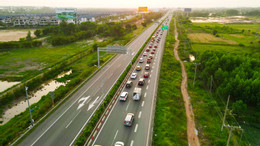
Key transportation projects are currently reaching critical stages of completion, further enhancing connectivity between the financial center of Ho Chi Minh City and the industrial heartlands of Dong Nai and Ba Ria-Vung Tau. The Bien Hoa-Vung Tau Expressway, the Ben Luc-Long Thanh Expressway, and the HCMC Ring Road 3 are all contributing to a seamless logistics network. Furthermore, the construction and planned completion of several bridges—including the Phu My 2, Cat Lai, Dong Nai 2, and Nhon Trach bridges—are effectively dissolving the geographical barriers created by the Dong Nai River. This enhanced connectivity is a cornerstone of Nam Long’s "integrated township" strategy, as it ensures that residents of their suburban developments remain within a 30-to-45-minute commute of the central business district.
The transition of Dong Nai into a centrally-run city has also opened new avenues for economic, industrial, and service-sector growth. This administrative upgrade signals a long-term commitment from the government to prioritize the province’s development, creating a fertile environment for real estate projects that cater to both local workers and the expanding middle-class demographic migrating from Ho Chi Minh City.
Strategic Focus on Integrated Townships: Izumi City and Elyse Island
Anticipating these shifts, Nam Long Group has concentrated its resources on two flagship integrated townships: Izumi City and Elyse Island. These projects are designed to meet the modern "live-work-play" requirements of contemporary residents, emphasizing green spaces, modern amenities, and sustainable infrastructure.
Izumi City, located in the Long Hung ward of Dong Nai, occupies a strategic position adjacent to Ho Chi Minh City along the Dong Nai-Saigon riverfront. Its future value is heavily predicated on its proximity to the Dong Nai 2 Bridge, which will provide a direct link to the city’s eastern districts. The project is positioned within a regional infrastructure corridor that benefits from the economic spillover of the Long Thanh International Airport and the riverine economic belt.
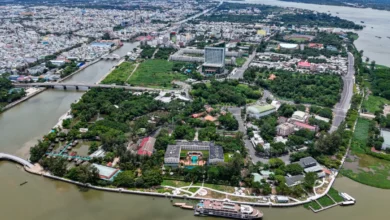
In contrast, Elyse Island represents a more secluded, high-end residential concept. Developed on the natural Dai Phuoc Island, the project is designed as an isolated urban oasis following international resort-living standards. The development features multi-layered green ecosystems and exclusive amenities aimed at providing privacy and luxury. This "island-living" model is becoming increasingly popular among high-net-worth individuals seeking a balance between a tranquil riverside lifestyle and the dynamic energy of the nearby urban centers.
The Nam Long Gallery: A Digital and Physical Convergence
The launch of the Nam Long Gallery in Sala is a calculated move to establish a presence in one of the most prestigious urban areas in the country. Sala is recognized as a hub for luxury services, commerce, office spaces, and tourism, making it the ideal location to showcase Nam Long’s vision of integrated urbanism. The gallery is not merely a sales office but an experiential center designed to foster deeper connections with customers and partners.
The facility incorporates several specialized functional zones to enhance the customer journey:
- VIP Lounge: A high-end space dedicated to personalized consultations and professional receptions.
- Showcase Area (VR360): Utilizing virtual reality technology, this area allows visitors to explore the planning, architecture, and surrounding landscapes of Nam Long’s townships in a fully immersive digital environment.
- Networking Area: A communal space designed for interaction between investors, experts, and partners.
- Event Area: A versatile space equipped to host seminars, project launches, and community events.
- Sale Working Area: A dedicated environment for the business consultancy team to facilitate transactions and provide real-time market data.
By integrating VR360 technology, Nam Long is addressing a common challenge in real estate: visualizing the scale and long-term value of large-scale townships. This digital-first approach allows potential buyers to see the progression of infrastructure and the maturation of the "green" components of the projects long before they are fully completed.
Corporate Vision and Market Positioning
The operationalization of the gallery reflects Nam Long’s broader strategy of professionalizing the real estate sales process. It serves as a central hub for the company’s distribution network, aiming to increase the efficiency of consultancy and customer care services.
Ng Joo Tong, Director of Nam Long Land, emphasized the company’s long-term commitment to the Vietnamese market during the opening ceremony. With a history spanning 34 years, Nam Long has successfully developed 11 integrated townships and delivered more than 31,000 homes. "In the coming time, the enterprise will continue to expand development in key regions such as Ho Chi Minh City, Dong Nai, Tay Ninh, Can Tho, and Hai Phong," Mr. Tong stated. This expansion plan is rooted in the philosophy of creating quality living spaces that contribute to the sustainable development of the community.
Nam Long’s partnerships with international firms—most notably Japanese corporations like Hankyu Hanshin Properties and Nishi-Nippon Railroad—have been instrumental in bringing global urban planning standards to their Vietnamese projects. This collaboration has allowed Nam Long to maintain a reputation for financial transparency and project quality, factors that are highly valued in a market that has recently undergone significant regulatory tightening.
Broader Economic and Social Implications
The success of developments like Izumi City and Elyse Island, supported by high-tech experience centers like the Nam Long Gallery, has broader implications for Vietnam’s urbanization. As Ho Chi Minh City faces increasing density and rising property prices, the "suburbanization" of the middle class is inevitable. However, this migration is only sustainable if the satellite townships provide the same level of healthcare, education, and entertainment found in the city center.
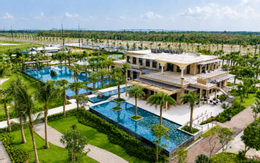
Nam Long’s integrated township model aims to solve this by including schools, clinics, and commercial centers within the project boundaries. This reduces the burden on the central city’s infrastructure and promotes a more balanced regional development. Furthermore, the focus on "green" and "sustainable" living aligns with the Vietnamese government’s commitments to net-zero emissions and environmental protection.
As the eastern region of Ho Chi Minh City and Dong Nai enter a new growth cycle, the real estate market is shifting away from speculative "land flipping" toward products with "real value" for "real dwellers." The Nam Long Gallery is a manifestation of this shift, providing transparency and detailed information to buyers who are increasingly discerning about where they invest their capital.
Conclusion
The inauguration of the Nam Long Gallery in Thu Thiem is a clear signal that Nam Long Group is positioning itself as a leader in the next phase of Vietnam’s urban evolution. By combining strategic locations, advanced technology, and a commitment to integrated township development, the company is effectively navigating the complexities of the 2026 real estate market.
As infrastructure projects like the Long Thanh Airport and the various inter-provincial bridges reach fruition, the synergy between Ho Chi Minh City and its neighbors will only strengthen. For investors and homebuyers, the presence of a dedicated experience center in the heart of Thu Thiem provides the necessary clarity to participate in this growth. Nam Long’s journey from a domestic developer to a creator of international-standard townships reflects the maturing of the Vietnamese real estate sector, promising a future of sustainable, high-quality urban environments for the nation’s growing population.