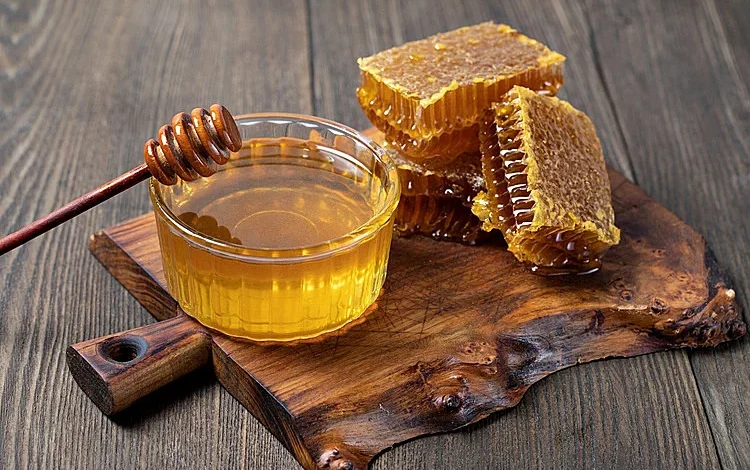
The long-standing debate regarding the impact of honey consumption on abdominal adiposity—commonly referred to as belly fat—has resurfaced as consumers increasingly seek healthier alternatives to refined white sugar. While honey is frequently marketed as a "natural" and "healthier" sweetener, nutritionists and medical experts are cautioning that its metabolic impact, particularly when consumed in excess, is not fundamentally different from other caloric sweeteners in the context of weight gain.
The Metabolic Reality of Fructose and Glucose
Honey is a complex mixture primarily composed of two simple sugars: fructose and glucose. Unlike table sugar (sucrose), which is a disaccharide of glucose and fructose linked together, honey provides these sugars in a form that the body processes efficiently. However, the mechanism of weight gain remains rooted in the basic law of thermodynamics: caloric surplus.
When an individual consumes more calories than their body requires for daily physiological functions and physical activity, the excess energy is stored as adipose tissue. While honey contains trace amounts of enzymes, antioxidants, and minerals that are absent in processed white sugar, its caloric density is significant. One tablespoon of honey contains approximately 64 calories, slightly higher than the 49 calories found in a standard tablespoon of granulated sugar. If this caloric intake is not offset by physical exertion, the body converts the excess energy into triglycerides, which are then deposited into fat cells.
Historical Context and the Rise of Honey as a Sugar Substitute
For decades, honey has been positioned as a superfood, a sentiment rooted in its use in traditional medicine and its status as a byproduct of natural pollination. During the early 2000s, as global awareness of the negative health impacts of high-fructose corn syrup and refined sugars grew, the demand for "natural sweeteners" skyrocketed.
Market data from the last decade shows a consistent annual growth in honey consumption, driven by health-conscious consumers who prioritize natural labels. However, this shift in preference has inadvertently led to a misconception that "natural" is synonymous with "calorie-free" or "weight-loss friendly." Public health officials have noted that the "health halo" surrounding honey often leads to larger portion sizes, as consumers perceive it as a virtuous addition to their diets rather than a concentrated source of sugar.
Scientific Analysis: Does Honey Lead to Visceral Fat Accumulation?
Visceral fat, or the fat that accumulates around internal organs in the abdominal cavity, is metabolically active and associated with a higher risk of cardiovascular disease, insulin resistance, and type 2 diabetes.
When honey is consumed, the liver is primarily responsible for processing the fructose content. In sedentary individuals, high intake of fructose—regardless of the source—can promote de novo lipogenesis, the process by which the liver converts excess sugar into fat. Research from the International Journal of Obesity suggests that when dietary intake of sugars exceeds the body’s oxidative capacity, it does not matter if the sugar comes from honey, maple syrup, or cane sugar; the result is an increase in liver fat and subsequent abdominal girth.
There is currently no robust clinical evidence to suggest that honey possesses unique thermogenic properties that would counteract its own caloric load. While some studies suggest that honey has a lower glycemic index than white sugar—meaning it causes a less dramatic spike in blood glucose—this benefit is negated if the total quantity consumed is high.
Chronology of Dietary Trends and Misconceptions
- 1990s-2000s: The rise of the "low-fat" diet era leads consumers to seek out natural alternatives, with honey emerging as a staple in health food stores.
- 2010s: The proliferation of fitness influencers and "clean eating" blogs popularizes the use of honey in pre-workout meals and detox drinks, often ignoring the total caloric contribution.
- 2020-Present: Medical organizations, including the World Health Organization (WHO), emphasize the reduction of all "free sugars," putting honey under the same umbrella as other caloric sweeteners in public health guidelines.
Clinical Perspective: Expert Insights
Dr. Nguyen Trong Thuy, a senior physician associated with national sports teams, emphasizes that the primary issue is not the quality of the sweetener but the overall dietary pattern. "It is a mistake to label honey as a cause of obesity, but it is equally a mistake to treat it as a weight-loss aid," Dr. Thuy notes. "The focus should be on total caloric expenditure. If an individual adds honey to a diet already rich in processed foods, soda, or high-sugar snacks, they are simply compounding their caloric intake."
Dr. Thuy advises that for individuals aiming to manage their weight, the focus must shift toward a balanced macronutrient intake. "We recommend a diet that prioritizes whole, unprocessed foods: vegetables, fruits, whole grains, and lean proteins. Honey can be part of a healthy diet, but it must be consumed in moderation, treated as a treat rather than a nutritional staple."
Broader Impact on Public Health and Nutritional Literacy
The challenge for public health is to increase nutritional literacy regarding the difference between "nutritious" and "low-calorie." While honey provides antioxidants that are beneficial for immune function, these benefits are secondary to the metabolic impact of sugar consumption.
A significant implication of the current trend is the potential for "hidden" sugar consumption. Consumers may avoid adding sugar to their coffee but then add two tablespoons of honey to their morning oatmeal, followed by honey-sweetened snacks throughout the day. This "additive effect" contributes to the rising rates of metabolic syndrome.
Recommendations for Balanced Consumption
To mitigate the risk of abdominal fat accumulation, nutritional experts propose the following strategies:
- Caloric Accounting: Treat honey as an energy source. Account for its calories within the daily budget.
- Prioritize Fiber: Consume honey alongside fiber-rich foods (like oatmeal or fruit) to slow the absorption of sugars and improve satiety.
- Active Lifestyle: Ensure that caloric intake is balanced by physical activity. Sedentary individuals are at higher risk of storing sugar as fat, as the body has less immediate need for glucose as a fuel source.
- Read Labels: Be aware of "natural" sweeteners in processed products. Often, commercial health foods are laden with honey, which can contain just as much energy as traditional syrups.
Conclusion: A Balanced Approach
Ultimately, the relationship between honey and belly fat is a matter of quantity. Honey is a nutrient-dense alternative to refined sugar, offering beneficial compounds that simple white sugar lacks; however, it remains a concentrated source of sugar and calories.
The goal of a healthy diet is not to demonize any single ingredient but to cultivate an environment of moderation. By maintaining a caloric balance, focusing on high-fiber whole foods, and limiting the frequency of sugar intake throughout the day, individuals can enjoy the benefits of honey without the unwanted side effects of abdominal weight gain. The key to health is not found in a single "magic" food, but in the sustainable, consistent habits that govern one’s total lifestyle.