General Secretary and State President To Lam Receives the 2026 Lev Tolstoy International Peace Prize at the Kremlin

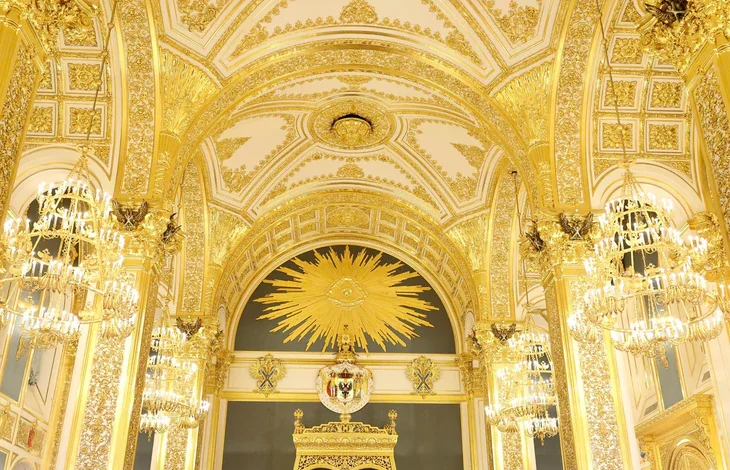
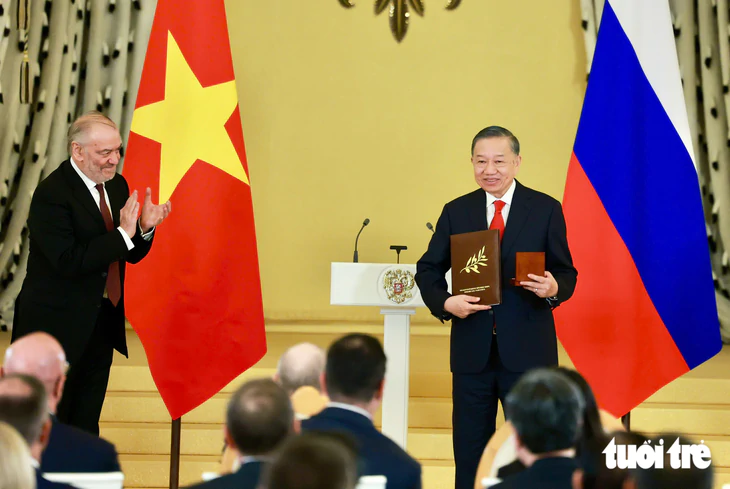
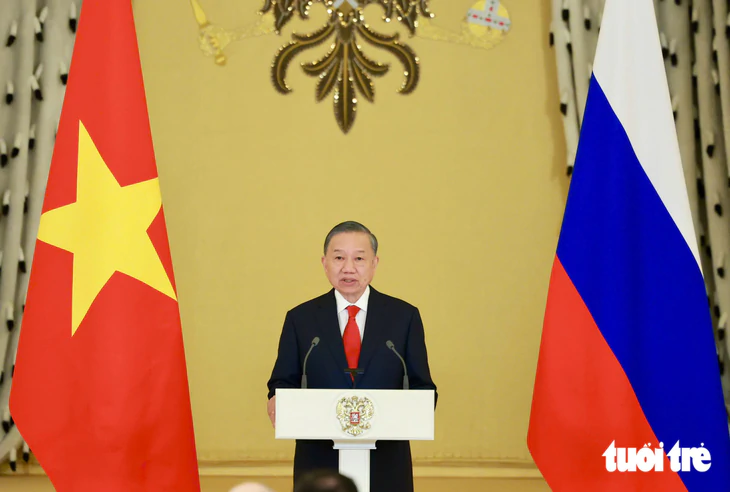
In a momentous diplomatic ceremony held on the afternoon of September 9, General Secretary and State President To Lam was formally presented with the prestigious 2026 Lev Tolstoy International Peace Prize. The high-profile event took place at the historic Grand Kremlin Palace in Moscow, coinciding with the Vietnamese leader’s official state visit to the Russian Federation.
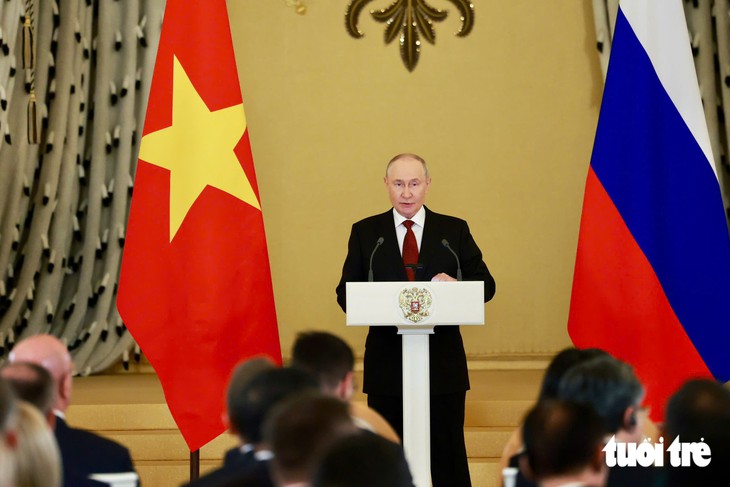
The ceremony followed a series of intensive, high-level bilateral meetings earlier in the day between General Secretary and State President To Lam and Russian President Vladimir Putin. President Putin personally attended the presentation ceremony, delivering an official address that lauded the Vietnamese leader’s relentless dedication to global diplomacy, multilateral cooperation, and international harmony.

A Prestigious Honor for Lifelong Dedication to Global Peace
The Lev Tolstoy International Peace Prize, named after the legendary Russian author and philosopher renowned for his profound pacifist ideals, is bestowed upon world leaders, prominent intellectuals, and international organizations that demonstrate exceptional commitment to preventing conflicts, fostering cross-cultural understanding, and upholding international justice.
According to the prize’s high-ranking international jury, General Secretary and State President To Lam was unanimously selected for the 2026 award to recognize his substantial contributions to reinforcing global peace, expanding international cooperation, and championing the core principles of the United Nations Charter. The award committee specifically highlighted his dedication to promoting sovereign equality, peaceful dispute resolution, and international law, while amplifying a global media narrative rooted in humanitarianism, mutual respect, and cross-border dialogue.
Accepting the accolade under the iconic chandeliers of the Kremlin, General Secretary and State President To Lam expressed profound gratitude. He remarked that the award was not merely a personal distinction, but rather a profound recognition of the Vietnamese nation’s enduring cultural ethos of peace, its independent and self-reliant foreign policy, and its active, responsible contributions to regional and global stability.

"Vietnam remains steadfast in its commitment to strengthening the international solidarity network," General Secretary and State President To Lam stated during his acceptance speech. "We will continually champion multilateralism, promote constructive dialogue, enhance mutual trust, and advocate for the peaceful resolution of disputes based on international law and the United Nations Charter, all in pursuit of a peaceful, stable, and prosperous world."
Historical Context and Previous Laureates
The Lev Tolstoy International Peace Prize stands as one of the most distinguished honors in the realm of global diplomacy and humanitarian advocacy. It carries a rich tradition of recognizing entities and leaders who reshape the geopolitical landscape through peaceful engagement rather than coercion.
The establishment of the modern iteration of the prize has quickly gained global traction. The inaugural prize in 2024 was awarded to the African Union in recognition of its monumental efforts toward continental conflict resolution, institutional integration, and peace-building across member states. The 2025 prize was jointly awarded to a trio of Central Asian heads of state—President Sadyr Japarov of Kyrgyzstan, President Emomali Rahmon of Tajikistan, and President Shavkat Mirziyoyev of Uzbekistan—for their concerted efforts in regional stabilization, border delimitation, and economic connectivity.
The awarding of the 2026 prize to Vietnam’s top leader underscores the growing geopolitical significance of Southeast Asia on the global stage and highlights Vietnam’s balanced, pragmatic approach to navigating complex international relations.
Inside the International Jury
The selection process for the Lev Tolstoy International Peace Prize is managed by an independent, highly esteemed international jury comprising prominent political figures, social activists, and cultural icons from across the globe. The 2026 panel included representatives from Argentina, Belarus, India, China, Russia, France, South Africa, and Japan, ensuring a truly global perspective on peace and diplomacy.
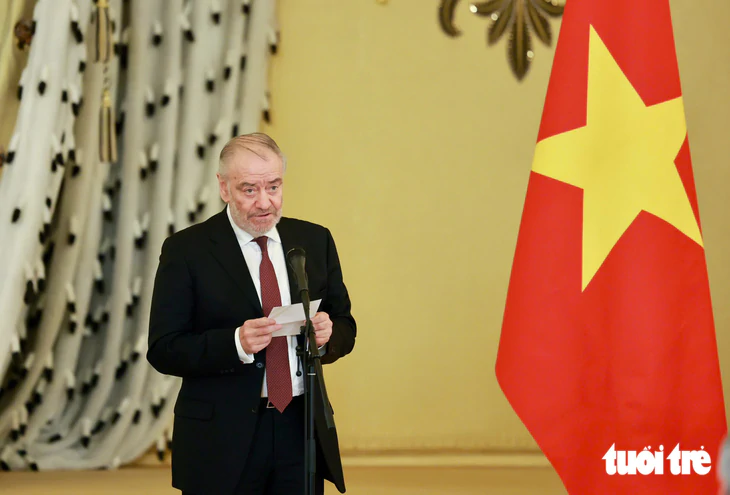
The jury is chaired by Valery Gergiev, the world-renowned conductor, artistic director, and general director of the Mariinsky Theatre, as well as general director of the Bolshoi Theatre. Under Gergiev’s stewardship, the committee evaluates candidates based on tangible, long-term contributions to human welfare, cultural preservation, and diplomatic bridge-building.
When announcing the laureate in late July, the jury’s official communiqué emphasized that under the leadership of General Secretary and State President To Lam, Vietnam has managed to anchor its position as one of the fastest-growing economies in the Asia-Pacific region while meticulously preserving its unique cultural identity amid an increasingly fractured global environment. The jury specifically praised the Vietnamese leadership for setting a benchmark in shaping a fair, rule-based regional order in the Indo-Pacific.
Diplomatic Implications and Bilateral Ties
Political analysts and international relations experts view the presentation of the Lev Tolstoy Peace Prize within the broader framework of the state visit as a strategic affirmation of Vietnam’s time-tested "bamboo diplomacy." This foreign policy doctrine emphasizes flexibility, independence, self-reliance, multilateralism, and the diversification of international partnerships.
By honoring General Secretary and State President To Lam at the Kremlin, Moscow signaled the enduring nature of its comprehensive strategic partnership with Hanoi. Despite shifting global paradigms and economic pressures from Western nations, Vietnam has maintained a steadfast, neutral stance, prioritizing economic development, regional security, and open dialogue with all major global powers.
The ceremony also echoes recent major international addresses by the Vietnamese leader, notably his notable presence at the Shangri-La Dialogue, where he repeatedly underscored the irreplaceable value of peace, strategic trust, and preventive diplomacy in averting regional conflicts.
Broader Impact on Regional and International Stability
As the international community grapples with multi-faceted crises ranging from trade fragmentation to regional territorial disputes, the recognition of Vietnam’s leadership model offers a compelling case study in conflict avoidance and developmental resilience.
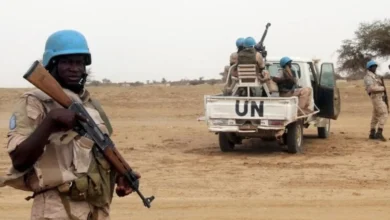
By actively participating in United Nations peacekeeping missions, advocating for the Declaration on the Conduct of Parties in the South Sea (DOC), and pushing for an effective Code of Conduct (COC) grounded in the 1982 United Nations Convention on the Law of the Sea (UNCLOS), Vietnam continues to project soft power rooted in peace-building.
The 2026 Lev Tolstoy International Peace Prize ceremony at the Kremlin will be recorded in diplomatic annals as a defining moment for Vietnam’s foreign policy—a testament to a nation that transitioned from a history of protracted war to becoming a respected, trusted architect of regional stability and international cooperation.