Vietnam Accelerates Digital Transformation Through Landmark Legislation for 5G Infrastructure Development and Strategic Submarine Cable Expansion

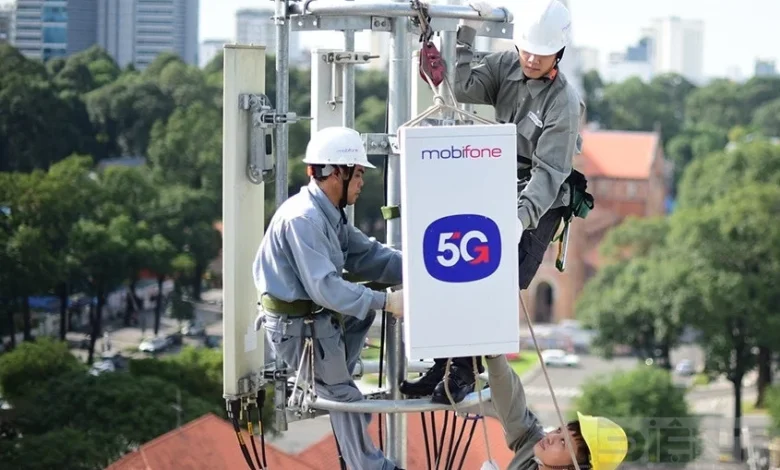
On February 19, 2025, the National Assembly of Vietnam officially passed a landmark resolution aimed at establishing a series of specialized policies and breakthrough mechanisms to propel the nation’s science, technology, and digital transformation agendas. This legislative move represents a strategic pivot in Vietnam’s effort to secure its position in the global digital economy, focusing specifically on the rapid nationwide deployment of 5G infrastructure and the diversification of critical international telecommunications gateways.
The resolution provides a robust legal framework to incentivize telecommunications operators, offering direct fiscal support to accelerate the rollout of 5G networks—a technology deemed vital for the country’s Industrial 4.0 ambitions.
The Financial Mechanism for 5G Deployment
At the core of this new legislation is an unprecedented state-backed financial support scheme. To qualify for this incentive, telecommunications enterprises must commit to a rapid deployment timeline: installing a minimum of 20,000 5G base stations that must be tested and fully operational by December 31, 2025.
The government has structured the support to be directly linked to the outcomes of the 2024 frequency auction processes. Specifically, the total amount of financial assistance provided to these enterprises will not exceed the total proceeds generated from the 2024 auctions of radio frequency rights. Operators meeting the 20,000-station threshold will be eligible for a subsidy covering 15% of the average equipment costs for each 5G base station acquired during the 2025 fiscal year.
Minister of Information and Communications Nguyen Manh Hung emphasized the necessity of this intervention, noting that while standard annual infrastructure development typically results in about 5,000 new stations, the national requirement for a comprehensive 5G footprint necessitates a quadrupling of that output. By de-risking the massive capital expenditure required for 5G, the state aims to catalyze a digital shift that could see the digital economy contribute up to 20% of Vietnam’s total GDP by the end of 2025.
Strategic Strengthening of International Connectivity
Beyond domestic 5G coverage, the resolution addresses a critical vulnerability in Vietnam’s digital infrastructure: international connectivity. Current reliance on a limited number of submarine fiber-optic cables has periodically led to service disruptions, creating economic and operational risks for businesses and government agencies.
The new policy mandates streamlined administrative procedures for the investment and construction of new international submarine cable routes where Vietnamese enterprises are either equity partners or lead investors. These projects will benefit from expedited permitting processes, provided they comply with national security and defense requirements.
Furthermore, the resolution introduces flexibility in procurement for these strategic projects. It permits the use of "direct contracting" for infrastructure projects slated for the 2025–2030 period to ensure timely completion. In instances where direct contracting is not employed, operators are encouraged to adopt international competitive bidding practices or follow established agreements between Vietnamese telcos and their international partners, ensuring global standards of efficiency and technical reliability.
Industry Context and Current 5G Landscape
The push for 5G is not occurring in a vacuum. As of early 2025, the competitive landscape among Vietnam’s major carriers has intensified. Viettel, the country’s largest mobile network operator, has reported significant momentum, having deployed over 6,500 5G base stations covering major urban centers, industrial zones, international airports, and hospitals. Viettel’s 5G network currently offers speeds ranging from 700Mbps to 1Gbps, roughly ten times the performance of traditional 4G, with significantly reduced latency.
Viettel’s data indicates that as of January 2025, it had already onboarded 5.5 million 5G subscribers within just five months of commercial launch, putting it on a clear trajectory to meet its goal of 10 million users by the end of the year.
VNPT, the state-owned giant, has similarly focused its efforts on high-traffic areas, providing coverage across all 63 provincial administrative units and 705 district-level centers. With approximately 3 million active 5G subscribers, VNPT is leveraging its existing infrastructure to maintain a consistent quality of service for industrial and administrative clients.
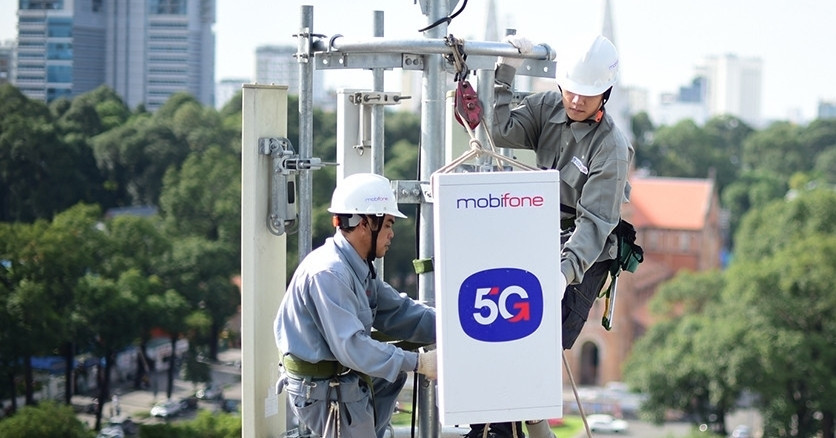
MobiFone, while focusing on a steady rollout, has prioritized the expansion of its spectrum holdings to ensure that its 5G services can eventually reach 100% of the rural communes across the country. By focusing on both urban density and rural accessibility, the company aims to bridge the digital divide that has historically characterized infrastructure development in the region.
Expert Perspectives on Economic Impact
Industry leaders have lauded the government’s proactive stance. Rita Mokbel, Chairperson of the Board at Ericsson Vietnam, noted that 5G is more than just a speed upgrade; it is a foundational pillar for the next wave of industrial productivity.
"5G will play a crucial role in pushing the infrastructure of the future," Mokbel stated. "It has the potential to become a critical catalyst for transformation across multiple sectors, including manufacturing, logistics, and smart city management. By enabling automation and real-time resource optimization, private 5G networks will allow enterprises to innovate while simultaneously reducing operational costs."
The economic ripple effects of this technological deployment are expected to be profound. In the manufacturing sector, 5G-enabled "smart factories" will utilize ultra-low latency to manage robotics and remote surgical procedures in the healthcare sector, as well as autonomous transport systems. The combination of high-speed connectivity and data analytics will allow Vietnamese companies to integrate more deeply into the global supply chain, shifting from labor-intensive production to high-tech, high-value-added operations.
Analysis of Policy Implications
The legislative intervention marks a shift from a regulatory-heavy environment to one that acts as a proactive economic partner. By tying fiscal support to performance milestones (the 20,000-station target), the government is ensuring that state funds are deployed only when concrete, measurable results are delivered.
However, the policy also places significant pressure on the technical and logistical capacity of the telecommunications firms. Sourcing the necessary equipment, navigating international supply chain complexities, and managing the physical installation of 20,000 stations within a ten-month window (by the end of 2025) will require unprecedented cooperation between the public and private sectors.
Furthermore, the focus on international submarine cables reflects a strategic shift toward economic sovereignty. By encouraging local firms to lead or hold significant stakes in international connectivity projects, Vietnam is mitigating the risk of external influence or service interruptions, ensuring that the country’s digital gateway to the world remains resilient.
Chronology of Recent Digital Milestones
- Late 2024: The Ministry of Information and Communications finalizes the framework for the radio frequency rights auctions, setting the stage for 5G funding.
- January 2025: Viettel reports 5.5 million 5G subscribers, confirming strong market demand for high-speed mobile services.
- February 19, 2025: The National Assembly passes the landmark resolution for accelerated 5G and submarine cable infrastructure.
- Q1 2025 (Forward-looking): Implementation of the 15% subsidy program for 5G equipment purchases begins.
- December 31, 2025: Target deadline for the completion of the 20,000-station rollout to qualify for government support.
Looking Ahead
The path forward for Vietnam is clear. The government’s willingness to provide legislative and financial support for 5G signifies that the nation is no longer content with catching up to global technological trends but intends to lead in regional digital infrastructure.
While the challenges of implementation are substantial—ranging from hardware procurement to grid synchronization—the alignment between the National Assembly, the Ministry of Information and Communications, and the primary telecom providers suggests a coordinated effort. If the 20,000-station target is met, Vietnam will likely possess one of the most comprehensive and modern 5G networks in Southeast Asia, positioning the nation as a premier destination for digital-first investments and high-tech manufacturing by the end of the decade.
Related posts: