Ho Chi Minh City Approves Proactive Water Storage and Flood Prevention Plan for 2026 Reservoirs

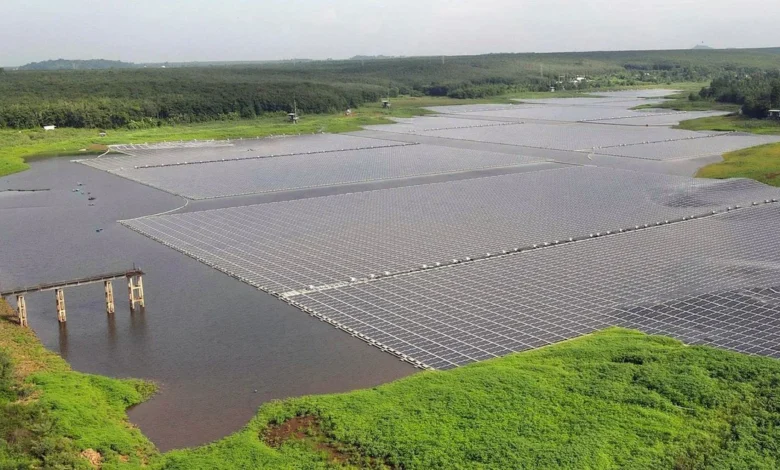
Ho Chi Minh City People’s Committee has officially approved a comprehensive and strategic reservoir water storage and flood mitigation plan slated for implementation in 2026. Under this newly sanctioned directive, six major water reservoirs across the metropolitan region will be maintained at water levels significantly lower than the standard operating limits stipulated by baseline regulatory frameworks. This deliberate operational adjustment is designed to maximize proactive retention capacity, create essential buffer zones for incoming seasonal floods, and mitigate urban inundation risks for downstream communities.
The decision marks a forward-looking approach to municipal water resource management and disaster risk reduction. By intentionally drawing down storage volumes ahead of peak precipitation periods, city authorities aim to balance the dual imperatives of securing stable municipal water supplies for domestic consumption and agricultural production while safeguarding vulnerable urban and suburban zones from catastrophic overflow.
Identifying the Key Reservoirs and Operational Parameters
According to the municipal administration, the six reservoirs designated for sub-standard water level maintenance include Sông Ray, Đá Đen, Sông Hỏa, Châu Pha, Suối Các, and Minh Đạm. These critical hydraulic structures will operate below their conventional "flood prevention limits"—a technical threshold strictly defined within each facility’s operational guidelines to govern seasonal water release.
To understand the mechanics of this strategy, water resource engineers rely on the concept of flood prevention limits, which represent the maximum allowable water elevation under standard operational regimes. By sustaining water levels beneath these established ceilings, facility operators artificially expand the available empty volume within each basin. This unoccupied capacity functions as a vital shock absorber, capable of intercepting torrential runoff, dampening peak discharge rates, and curtailing downstream inundation when regulatory flood-release protocols are ultimately triggered.
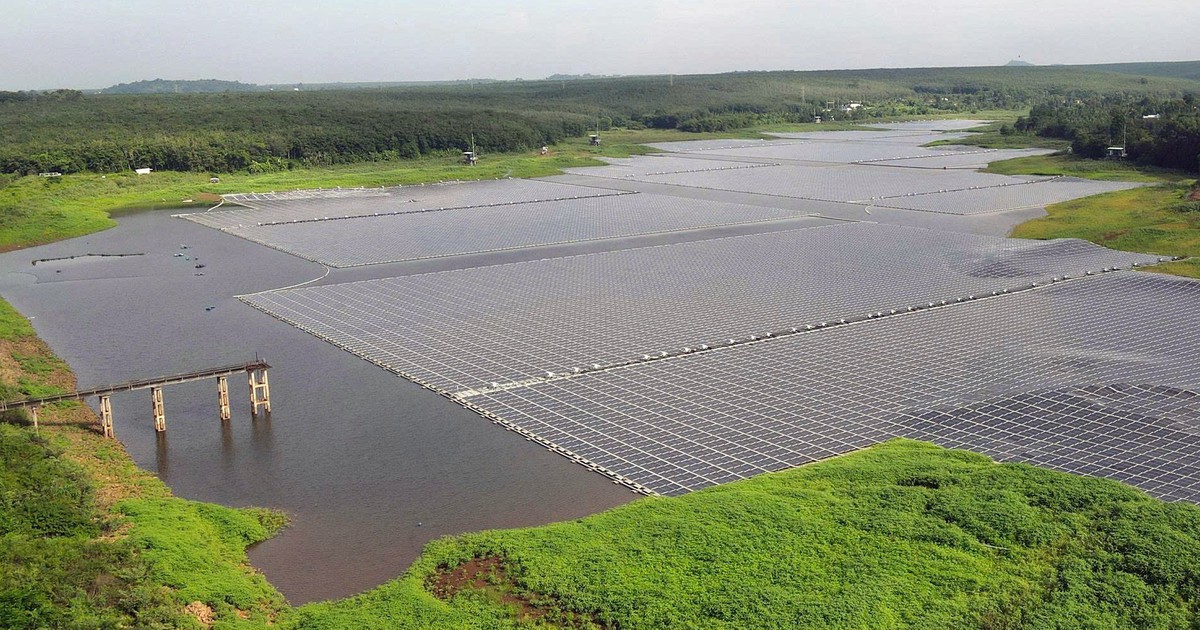
Hydrological data indicates that water levels will be dynamically regulated and constrained in accordance with seasonal variations and meteorological forecasts. For instance, the Suối Các reservoir exhibits a structured fluctuation curve, maintaining a maximum water level of 73.61 meters at the close of July before scaling upward to 76.55 meters between late September and late November. Similarly, the Sông Ray reservoir transitions from 69.25 meters in late July to 72.65 meters during the peak months of October and November, while the Đá Đen reservoir follows a parallel trajectory, rising from 43.26 meters to 44.62 meters over the same timeframe. Meanwhile, the Minh Đạm, Châu Pha, and Sông Hỏa reservoirs reach their peak operational caps at 34 meters, 27 meters, and 24.3 meters respectively by the conclusion of November.
Comprehensive Coverage Across Regional Water Infrastructure
Beyond the primary six reservoirs subject to aggressive drawdown protocols, Ho Chi Minh City oversees an expansive network of 24 additional water bodies operating under standard regulatory frameworks. Each of these secondary facilities is managed through meticulous adherence to technical compliance manuals to ensure regional water security without compromising structural integrity.
An exception is made for the Đất Dược reservoir, which operates under a specialized, stepped water-accumulation schedule. This facility utilizes incremental water-level steps paired with intensive technical monitoring to evaluate structural performance and manage localized supply dynamics safely.
The orchestration of these diverse water systems requires rigorous oversight, prompting the Ho Chi Minh City People’s Committee to issue strict enforcement and monitoring directives to municipal agencies and facility management boards.
Institutional Oversight and Emergency Readiness
The Ho Chi Minh City Department of Agriculture and Environment has been assigned primary responsibility for monitoring and supervising reservoir operations throughout the 2026 cycle. Agency officials are mandated to cross-reference real-time meteorological and hydrological bulletins with ongoing reservoir storage metrics to issue timely directives regarding water retention and controlled discharges.
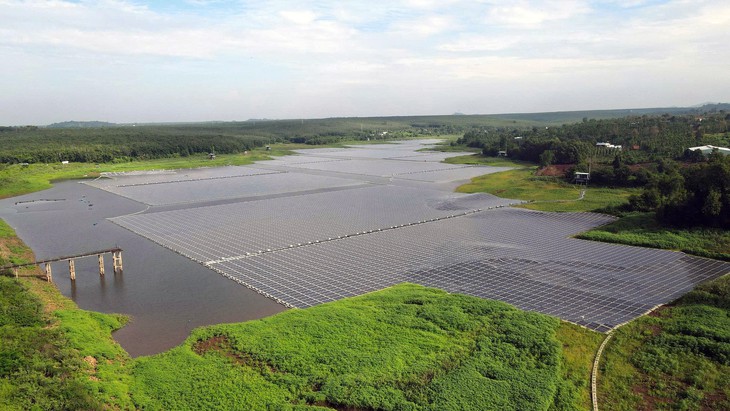
Concurrently, local management units charged with supervising individual reservoirs must conduct frequent structural integrity inspections. These protocols require prompt remediation of identified mechanical defects, routine test operations of spillway gates and mechanical equipment, and comprehensive dry-run exercises prior to the onset of the heavy rainy season.
Emergency preparedness forms a cornerstone of the newly approved directive. Operating entities are required to maintain fully mobilized human resources and specialized machinery to respond swiftly to sudden hydrological emergencies. Furthermore, robust early-warning communication channels must be maintained to notify regional government agencies, operational partners, and local residents immediately whenever regulated flood-release procedures are initiated.
Broader Implications for Urban Resilience and Climate Adaptation
The implementation of the 2026 reservoir management plan underscores Ho Chi Minh City’s broader strategic pivot toward climate-resilient urban governance. As rapid urbanization intersects with increasingly erratic meteorological phenomena driven by regional climate shifts, traditional flood control infrastructure requires continuous modernization and adaptive operational philosophies.
Historically, urban flooding in southern Vietnam has been exacerbated by the convergence of high tidal surges, intense localized downpours, and uncoordinated upstream reservoir discharges. By imposing strict, preemptive capacity buffers on key regional storage basins, municipal planners are attempting to decouple heavy precipitation events from downstream disaster outcomes. This methodology not only protects dense residential corridors and agricultural hinterlands from sudden inundation but also preserves vital freshwater reserves for the dry season, mitigating the long-term economic and environmental vulnerabilities associated with water scarcity.
Ultimately, the proactive framework approved by the Ho Chi Minh City People’s Committee serves as a vital blueprint for sustainable regional water management, harmonizing environmental safety, community protection, and resource optimization in an era of heightened climatic uncertainty.
Related posts: