Major General Anton Grunis has been killed in Ukraine following a recent award of the Gold Star medal.

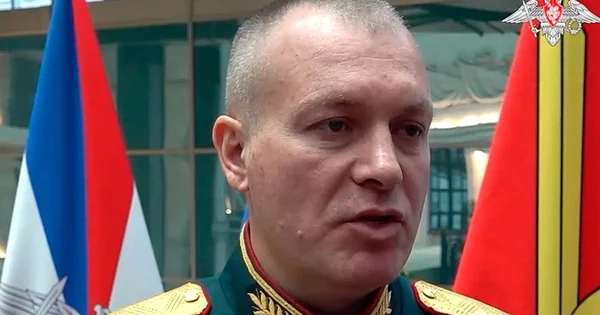
The death of Major General Anton Grunis, a high-ranking Russian officer, was confirmed on September 16, 2026, marking a significant development in the ongoing conflict in the Donetsk region of eastern Ukraine. His passing was first reported by Ukrainian military sources, specifically Robert Brovdi, the commander of a specialized drone unit, before being corroborated by high-level Russian military officials. This event highlights the high attrition rate among senior command personnel within the Russian armed forces and underscores the lethal efficacy of modern drone warfare on the front lines.
Chronology of the Incident and Confirmation
According to statements released by Robert Brovdi via the Telegram messaging platform, Ukrainian forces successfully targeted and neutralized Major General Grunis on September 12, 2026. Brovdi, who leads a prominent unit specialized in unmanned aerial systems, stated that his forces conducted a precision strike on a position identified as being occupied by the Russian commander in a sector of the Donetsk region currently under Russian control.
The official confirmation from the Russian side arrived shortly thereafter. Apti Alaudinov, the Deputy Head of the Main Military-Political Directorate of the Russian Armed Forces, issued a statement on Telegram acknowledging the death of the 47-year-old officer. While the Russian Ministry of Defense typically maintains a policy of silence or limited disclosure regarding high-ranking casualties, Alaudinov’s admission served as a rare acknowledgment of the loss. He described Grunis as having "sacrificed himself as a hero, having completed his sacred duty," though he offered no further details regarding the tactical circumstances of the strike.
The Career and Recent Recognition of Major General Grunis
The death of Major General Anton Grunis follows closely on the heels of his public elevation within the Russian military hierarchy. Just weeks prior to his death, in late August 2026, Grunis was honored with the title of "Hero of the Russian Federation," accompanied by the Gold Star medal. This prestigious recognition is generally reserved for individuals who have demonstrated extraordinary courage and performed significant service to the state.
Grunis had gained attention earlier in the summer for his role in the tactical operations surrounding the city of Kostiantynivka. On July 3, 2026, he appeared via video link before President Vladimir Putin during a high-level security meeting. During this broadcast, Grunis provided a detailed briefing on how his troops had allegedly secured control over key sectors of Kostiantynivka.
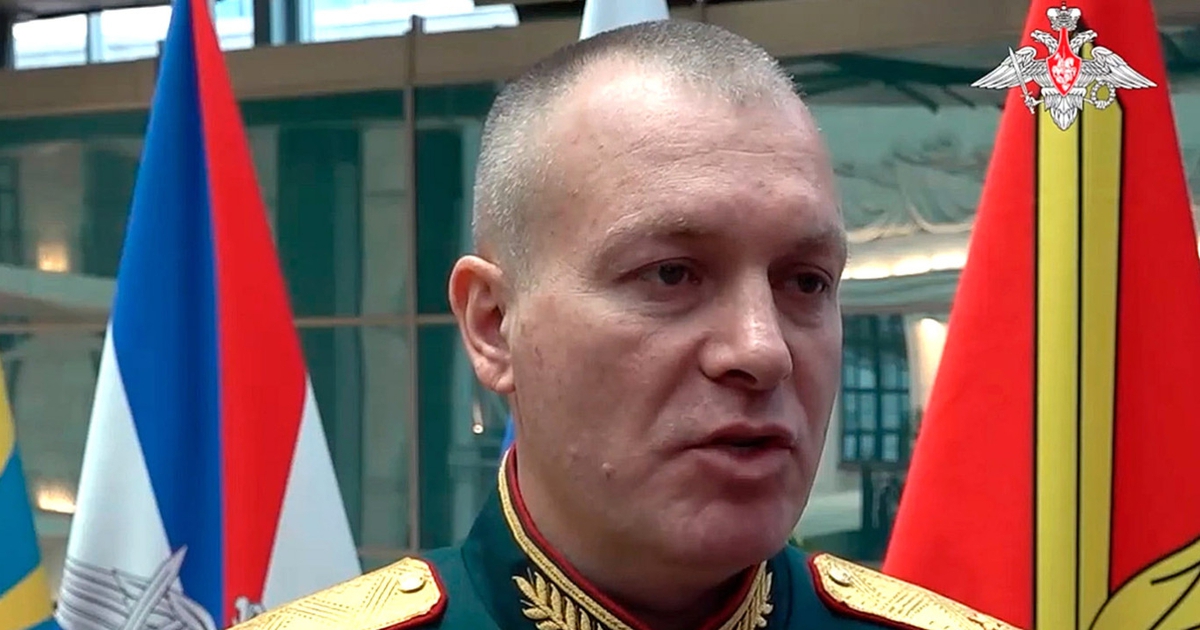
However, the claims regarding his success in Kostiantynivka were, and remain, a subject of significant dispute. The Ukrainian government has consistently denied that the city fell under full Russian control, asserting that their forces maintained defensive positions throughout the summer. International observers, including the Institute for the Study of War (ISW), have provided nuanced assessments, noting that while Russian forces managed to infiltrate certain areas, they failed to establish total territorial dominance or complete control of the city. This discrepancy between the military briefings presented to the Kremlin and the reality on the ground has been a recurring theme throughout the conflict.
The Role of Drone Warfare in Senior Target Neutralization
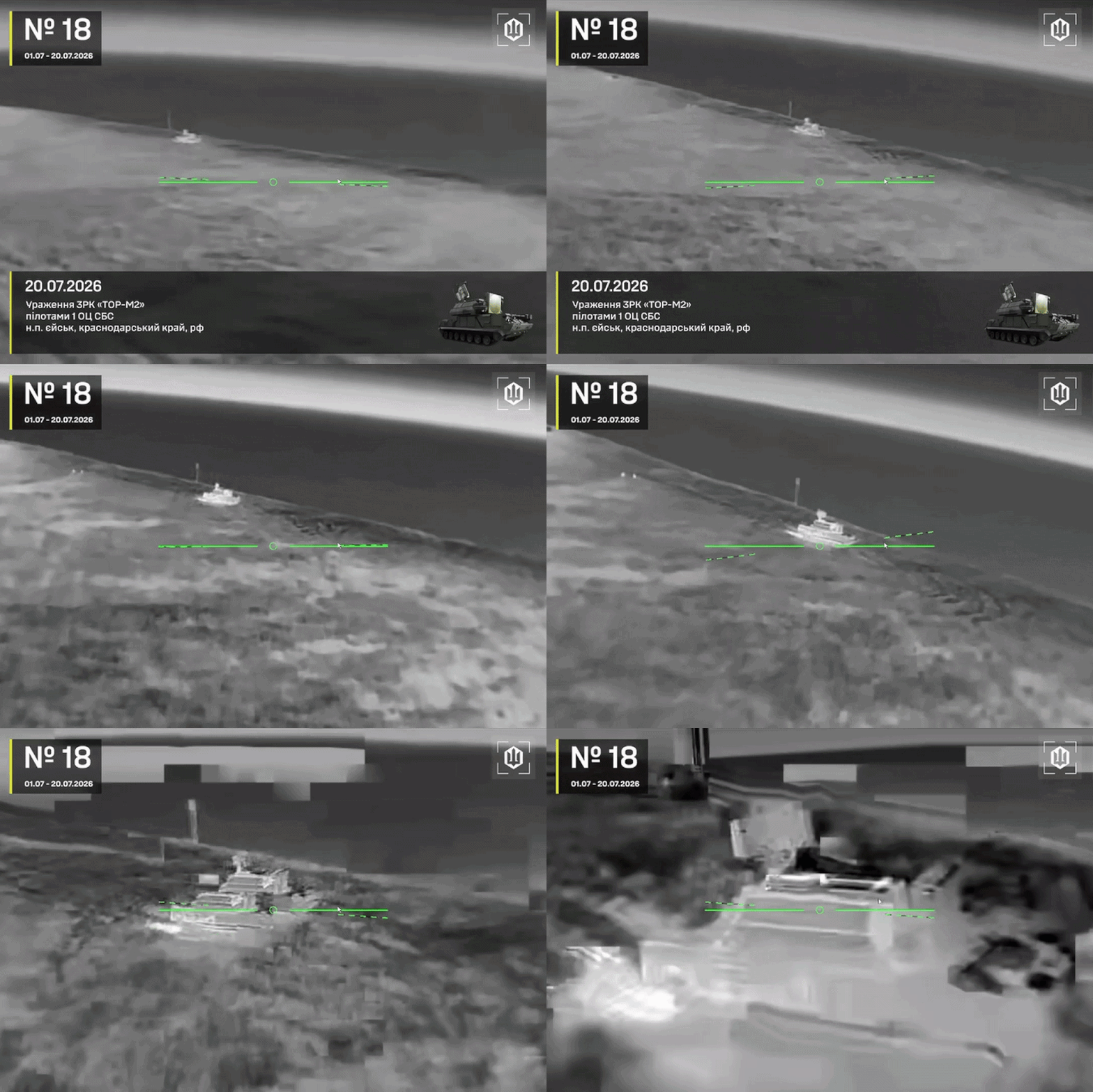
The neutralization of a Major General by a specialized drone unit underscores the evolution of modern warfare. Robert Brovdi’s unit is representative of the tactical shift toward "asymmetric warfare," where relatively low-cost, high-precision drone technology is used to target high-value assets, including command-and-control centers and senior personnel.
The use of First-Person View (FPV) drones and reconnaissance-strike complexes has significantly reduced the safety buffer for senior officers. In previous decades, generals were typically stationed well behind the Forward Line of Own Troops (FLOT). However, the persistent presence of aerial surveillance and the ability of specialized units to conduct long-range precision strikes have made the "rear areas" increasingly hazardous. The death of Grunis suggests that Russian commanders are being forced to operate closer to the front lines to exert direct control over faltering or complex tactical maneuvers, thereby exposing them to immediate threats.
Strategic Implications for the Donetsk Front
The loss of a high-ranking officer of the 7th Military Base or associated command structure (as cited by Ukrainian sources) represents a disruption to the operational continuity of Russian forces in the Donetsk theater. Senior commanders like Grunis are responsible for the synchronization of artillery, infantry, and logistics. Their removal, particularly when they are highly visible, can lead to temporary command vacuums and potential lapses in coordination.
From a broader perspective, the death of such a high-profile figure who was recently decorated by the Kremlin serves as a symbolic blow to the Russian military leadership. It complicates the narrative of steady progress in the Donetsk region. If the military’s top-tier officers are being lost in areas they claim to have already "pacified" or "conquered," it raises questions about the security of the occupied territories and the stability of the Russian defensive posture.
Data on High-Ranking Casualties
Since the onset of the full-scale invasion in 2022, the Russian military has experienced a disproportionately high number of general-officer casualties compared to other modern conflicts. Independent analytical outlets and intelligence reports have documented the deaths of dozens of generals and colonels. This trend is often attributed to:

- Communication Vulnerabilities: Reliance on unsecured radio communications that are easily intercepted by Ukrainian intelligence.
- Command Structure Rigidity: A top-down command style that requires senior officers to personally visit front-line units to force compliance with orders or to address logistical bottlenecks.
- Targeted Intelligence: The integration of Western-provided intelligence with local Ukrainian reconnaissance, which allows for the rapid identification and targeting of command posts.
Official Reactions and Public Narrative
The contrast in how the news of Grunis’s death was handled by the two sides is instructive. Ukraine’s dissemination of the news via a specific unit commander is part of a broader information strategy designed to showcase tactical successes and undermine the morale of the opposing command. By identifying the unit responsible for the strike, Kyiv reinforces the narrative that its forces are technologically sophisticated and capable of hitting "untouchable" targets.
Conversely, Moscow’s response—limited to a brief, solemn acknowledgment by a high-ranking political-military official—seeks to control the narrative by focusing on the "heroism" of the fallen. By emphasizing the "sacred duty" of the officer, the Russian Ministry of Defense aims to prevent the death from being perceived as a failure of force protection, framing it instead as a sacrifice in the service of the state.
Analysis: What Lies Ahead
The death of Major General Grunis is unlikely to change the overall strategic trajectory of the war in the short term, but it serves as a critical data point regarding the vulnerability of Russian command. As the conflict continues, the ability of both sides to protect their leadership while effectively targeting the opponent’s will remain a defining feature of the battlefield.
For the Russian military, the challenge will be to reconcile the need for aggressive command presence at the front with the reality that such presence carries an increasingly high risk of death. For Ukraine, the continued success of precision strikes against senior Russian officers reinforces the importance of sustaining their drone development and intelligence-gathering capabilities.
As of September 16, 2026, the situation in the Donetsk region remains fluid. The death of a "Hero of Russia" in an area that the Kremlin officially claims as a zone of victory serves as a stark reminder of the limitations of propaganda in the face of a persistent and technologically capable adversary. The funeral arrangements and any subsequent military reorganization following Grunis’s death will be closely monitored by regional observers to assess the potential impact on Russian operational cohesion in the coming winter months.