Hyundai Motor Executive COO Jose Munoz Warns US Auto Market Faces Chinese EV Invasion If Trade Defenses Slip

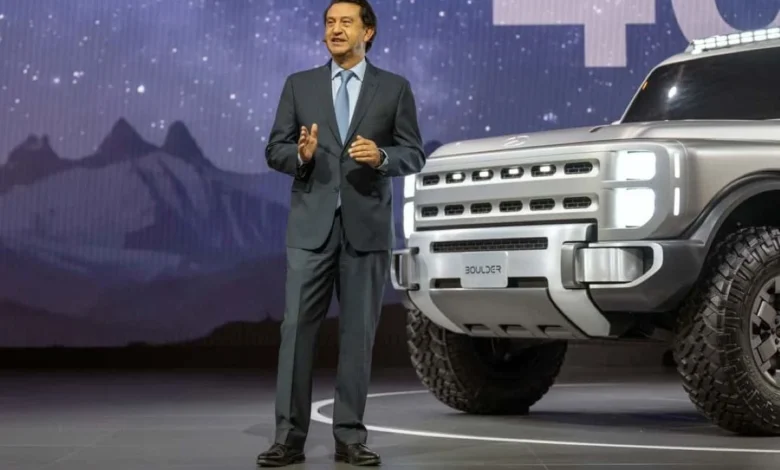
The global automotive landscape is currently navigating a period of unprecedented transformation, marked by fierce competition, shifting regulatory frameworks, and the aggressive global expansion of Chinese electric vehicle (EV) manufacturers. Amid this dynamic environment, high-ranking automotive executives are voicing profound concerns regarding the future stability of established markets. Most recently, Jose Munoz, Global Chief Operating Officer of Hyundai Motor, issued a stark warning that the United States automotive sector could soon face an overwhelming wave of Chinese vehicles if existing trade defense measures and protective tariffs are allowed to lapse or weaken.
This warning comes at a critical geopolitical juncture, highlighted by evolving trade policies and shifting remarks from political leaders regarding foreign manufacturing investments. The dialogue surrounding market access has intensified as industry stakeholders evaluate the potential consequences of easing barriers for foreign automakers, particularly those heavily subsidized by state backing in their home markets. As legacy automakers in the United States and Europe grapple with shrinking profit margins and intense pricing pressures, the debate over how to safeguard domestic manufacturing while fostering a competitive environment has taken center stage in global trade discussions.

The European Precedent: A Cautionary Tale for Western Markets
To understand the urgency behind Hyundai’s warning, industry analysts frequently point to the current state of the European automotive market. According to comprehensive data cited by Reuters from the Society of Motor Manufacturers and Traders (SMMT) and the European Automobile Manufacturers Association (ACEA), Chinese automotive brands have made aggressive and rapid inroads across European Union member states.
In the United Kingdom, where certain regulatory interpretations and import approaches differ slightly from the strict tariff framework of the broader European Union, Chinese brands have captured approximately 15% of all newly registered automobiles. Meanwhile, across the broader EU bloc, market share for Chinese-branded vehicles surpassed 9% during the first half of the year. This rapid market penetration has occurred despite the implementation of targeted European Union tariffs designed to offset what Brussels has identified as unfair state subsidies provided to Chinese manufacturers.
The core of the challenge lies in pricing dynamics. Even after accounting for newly imposed import duties and tariff penalties in major European markets such as Italy, Spain, and France, vehicles produced by Chinese manufacturers are frequently priced between 30% and 40% lower than competing models offered by legacy Western brands. This massive price disparity has severely squeezed the profit margins of traditional European manufacturers, forcing them to reconsider their pricing strategies, accelerate cost-cutting measures, and lobby for stricter regulatory protections.
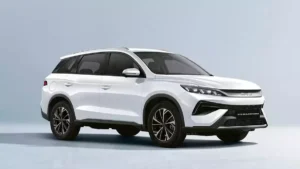
Jose Munoz, referencing these European trends in recent discussions highlighted by automotive publication Carscoops, emphasized that the United States could easily witness a similar scenario if protective measures are dismantled. Without robust, long-term trade defenses, American automakers could find themselves fighting a defensive battle against low-cost imports that benefit from structural cost advantages and extensive supply chain integration.
Shifting Political Winds and the Debate Over US Market Access
The discussion surrounding Chinese automotive imports in the United States has traditionally been characterized by near-prohibitive barriers. For years, Chinese electric vehicles have faced virtually insurmountable obstacles to entering the American market, primarily due to steep federal tariffs set at approximately 100%. These heavy duties were established to protect domestic manufacturing ecosystems, secure supply chains, and prevent market disruption from heavily subsidized foreign competitors.
However, the political discourse has shown signs of potential nuance. Recent remarks from political figures, including former President Donald Trump, have suggested a theoretical willingness to welcome Chinese automotive manufacturers under specific, stringent conditions. Under these hypothetical frameworks, foreign companies might be granted access to the lucrative US market provided they establish local manufacturing facilities, invest in domestic infrastructure, and employ American workers.
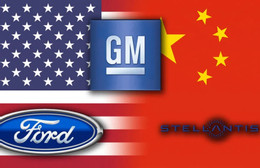
While the prospect of localized production initially appears to align with long-standing goals of bolstering domestic employment and industrial capacity, it has triggered profound alarm bells across the corporate leadership of major global automakers. Hyundai is far from alone in expressing apprehension regarding these potential policy shifts. The American Automotive Policy Council (AAPC), which represents major domestic and international manufacturers including Ford Motor Company, General Motors, Stellantis, Toyota, Hyundai, and Tesla, has formally urged the administration and policymakers to maintain existing restrictions and robust trade protections against Chinese automotive enterprises.
Industry coalitions argue that merely shifting production assembly lines to American soil does not neutralize the underlying competitive imbalances. They contend that Chinese automakers possess structural advantages derived from decades of coordinated state industrial policy, dominance over critical mineral processing and battery supply chains, and capital structures that differ fundamentally from those of Western publicly traded corporations. Consequently, these groups argue that allowing Chinese brands to establish a foothold in the United States—even with local assembly—could fundamentally destabilize the domestic market and undermine long-term investments in electric vehicle development made by established players.
Industry Leadership Responses and Strategic Preparations
The anxiety rippling through boardrooms across Detroit, Seoul, and Tokyo reflects a broader realization that the global automotive hierarchy is being redrawn. Ford CEO Jim Farley addressed employees candidly, noting that legacy manufacturers are actively preparing for the inevitable scenario in which Chinese automotive brands officially enter the United States market within the next five to ten years. Farley characterized the impending competition as a generational challenge that will require radical efficiency, accelerated innovation, and strategic adaptation from traditional original equipment manufacturers (OEMs).
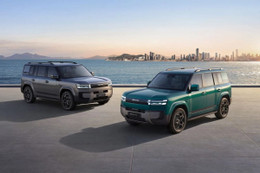
In response to these external pressures, automotive giants are fundamentally altering their internal operational strategies. For instance, companies like Honda have recently revamped their quality control methodologies, shifting quality assurance checkpoints deep into the product development phase rather than relying on final inspections at the end of the assembly line. This pivot is designed to accelerate product development cycles, reduce engineering overhead, and enhance vehicle reliability—all critical factors in maintaining consumer loyalty amid intensifying pricing wars.
Concurrently, European regulators are tightening their own defenses to plug potential loopholes. The European Union is currently developing stringent "Made in Europe" local content regulations, which aim to dictate the precise percentage of a vehicle’s components that must be manufactured within the trading bloc to qualify for commercial sale or consumer incentives. These regulatory moves signal a coordinated, global effort by Western economies to erect multi-layered defensive walls against what they perceive as an existential threat to their industrial bases.
Economic Implications and Future Outlook
The broader economic implications of a potential opening of the US market to Chinese automakers are profound and multifaceted. On one hand, proponents of free trade and consumer advocacy argue that increased competition drives technological innovation, accelerates the transition to sustainable mobility, and provides consumers with more affordable vehicle options. In an era where vehicle affordability has declined significantly due to inflation and rising interest rates, lower-cost electric vehicles could theoretically democratize access to advanced green technology.

On the other hand, the macroeconomic and national security risks highlighted by industry executives cannot be easily dismissed. The automotive sector remains one of the largest employers, economic multipliers, and technological catalysts in the United States and Europe. A rapid influx of state-backed foreign competitors could lead to significant domestic job losses, factory closures, and a dangerous dependency on foreign supply chains for critical components such as semiconductors, software ecosystems, and high-capacity battery cells.
As Jose Munoz and other industry leaders have emphasized, the decisions made by policymakers in the near future will determine the trajectory of the automotive industry for decades to come. Whether through the maintenance of prohibitive tariff structures, the enforcement of rigorous local content thresholds, or the implementation of comprehensive industrial policies to support domestic manufacturing, Western governments face a delicate balancing act. They must weigh the short-term benefits of consumer savings against the long-term imperative of preserving industrial sovereignty and economic stability in an increasingly competitive global marketplace.