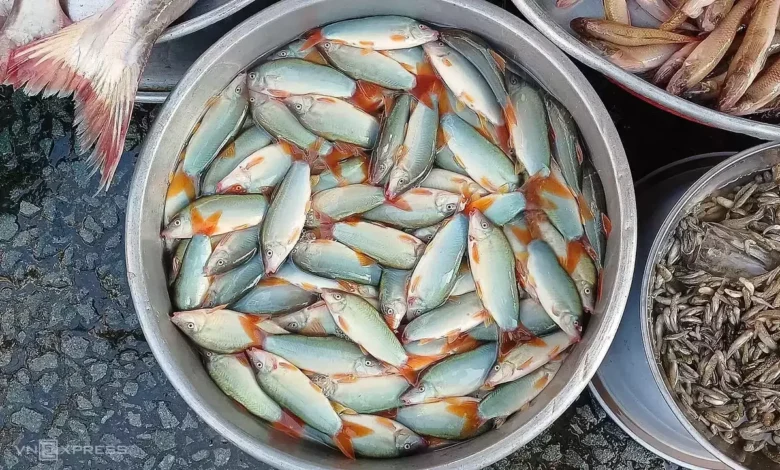
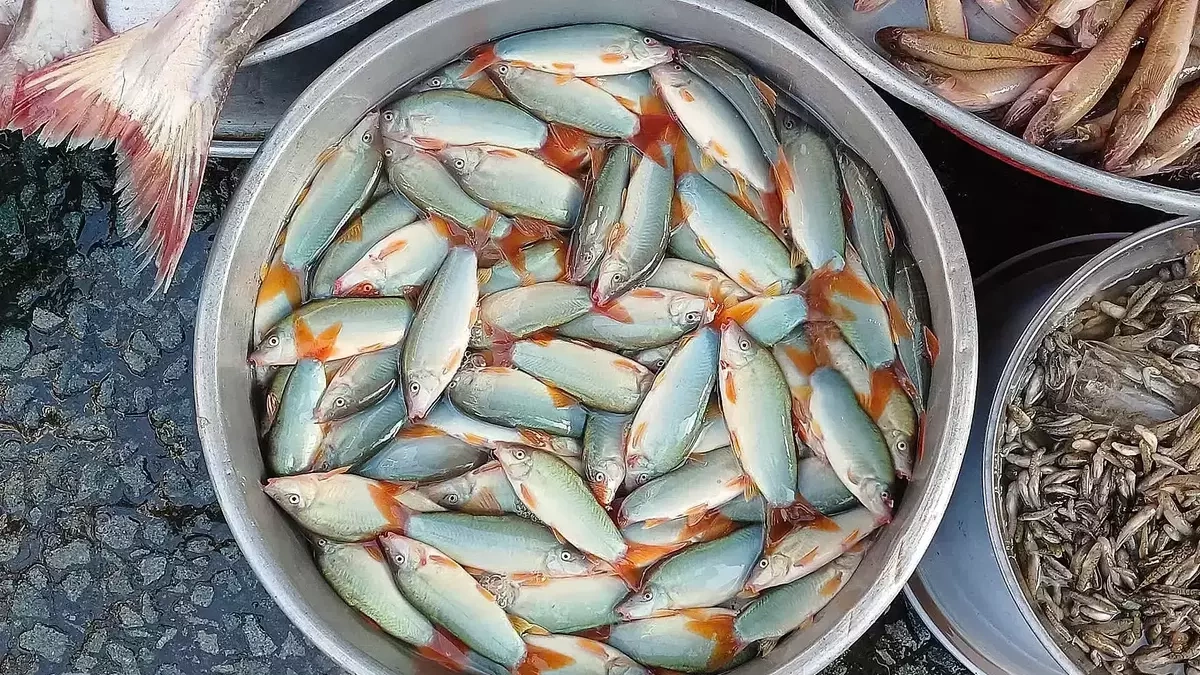
The price of the freshwater loach, colloquially known as "cá heo" (dolphin fish) due to the distinct squeaking sound it emits when removed from water, has surged to record highs across the Mekong Delta region. Despite the arrival of the annual flood season—a period typically associated with increased harvests—market prices have climbed by 5% to 15% compared to the same period last year. For premium, live specimens of significant size, retail prices in major urban centers have now surpassed 600,000 VND per kilogram, reflecting a complex interplay of supply chain volatility, biological limitations, and high consumer demand.
Market Dynamics and Price Fluctuations
In current market surveys across the provinces of An Giang, Dong Thap, and the city of Can Tho, the price disparity between different grades of the fish remains stark. Premium-grade live fish, typically measuring 28 to 30 specimens per kilogram, are currently trading at approximately 620,000 VND per kilogram at the wholesale level. This represents a 10% increase year-on-year.
Conversely, smaller specimens—often ranging from 40 to 45 per kilogram—are priced lower, hovering around 400,000 VND. The most significant price gap exists between live, high-quality stock and processed alternatives. Fish that are 80 specimens per kilogram, which have been cleaned and either frozen or iced for transport, are available for as little as 120,000 to 160,000 VND per kilogram. This wide margin illustrates that the market places a massive premium on the freshness and the "live" status of the product, which is often perceived as a sign of superior quality and safety by culinary enthusiasts.
The Challenges of the Supply Chain
The supply of this freshwater delicacy has been notably inconsistent at the onset of this year’s flood season. Traditionally, the floods bring an influx of aquatic life, which local fishers capture using traps and nets. However, this year’s harvest has been sluggish.
Wholesalers, such as Ms. Loan, an operator based in An Giang, report that they are struggling to aggregate more than 5 to 7 kilograms of the fish daily. The logistics of moving live, delicate fish from the delta to metropolitan hubs like Ho Chi Minh City are fraught with difficulty. The species is highly susceptible to mortality during transit. To mitigate losses, distributors often prefer smaller, hardier specimens that can better withstand the stress of transportation.
Mr. Thanh, a seafood trader at Pham Van Hai market in Ho Chi Minh City’s Tan Binh district, confirms that he only receives shipments once a week. "The mortality rate is extremely high," he explains. "If the transport is not handled with precision, the fish arrive dead, leading to significant financial losses. We prioritize the smaller, more resilient stock to ensure we have a viable product upon arrival."
Biological and Cultivation Constraints
The "dolphin fish" is not a species that lends itself to rapid industrial-scale aquaculture. Its life cycle and specific environmental requirements limit the speed at which producers can increase supply. According to Mr. Luan, a fish farmer in Dong Thap, the cultivation process is time-consuming and labor-intensive.
Farmers typically raise the fish in floating cages placed in clean, flowing river water to simulate their natural habitat. The growth cycle from fry to harvest-ready adult spans between 8 to 10 months. Throughout this period, the farmer must maintain rigorous sanitation standards to prevent disease outbreaks, which can lead to mass die-offs.
Economic barriers to entry are also high. The cost of fingerlings alone is substantial; a batch of fry can cost between 600,000 and 1.2 million VND depending on the quantity. Due to the scarcity of high-quality breeding stock, many farmers sell the fish by the individual head rather than by weight, reflecting the rarity of the resource.
Chronology of Market Trends
The volatility observed this season is part of a broader trend affecting the Mekong Delta’s aquatic resources.
- Early Season (July–August): Prices began their upward trajectory as initial floodwaters failed to bring the expected volume of wild-caught fish.
- Mid-Season (September): Demand peaked, exacerbated by the limited availability of live stock, pushing the price of premium specimens above the 600,000 VND mark.
- Projection: Experts anticipate that if the water levels remain below historical averages, the scarcity will persist throughout the remainder of the flood season, keeping prices elevated.
Official Stance and Agricultural Implications
Local agricultural authorities in An Giang and Dong Thap have issued cautionary statements to farmers. While the fish commands a high market value, the long harvest cycle and the susceptibility to disease make it a high-risk venture. Many of the fish currently on the market are the result of seasonal production, as there is only one viable crop per year.
Officials emphasize that the lack of standardized farming techniques and a reliable, high-volume export market means that farmers should be wary of over-investing in the species. The advice from the Department of Agriculture is clear: farmers should not expand their operations until they have fully mastered the biological requirements of the species and secured stable, long-term market access.
Economic and Cultural Significance
The "dolphin fish" holds a special place in the culinary landscape of the Mekong Delta, particularly during the rainy season. Its firm, white meat and lack of scales make it a versatile ingredient, often featured in hot pots and braised dishes. However, as it becomes increasingly commodified and expensive, it is transitioning from a seasonal staple of the rural population to a high-end luxury item for urban consumers.
The current price surge serves as a microcosm of the challenges facing the Mekong Delta’s economy. As environmental conditions change and the delta faces the dual pressures of climate change and shifting water patterns, the traditional livelihoods of fishers and farmers are becoming increasingly precarious. The high price of the fish is not merely a reflection of scarcity; it is a signal that the traditional methods of harvest and cultivation are reaching a threshold of sustainability.
In conclusion, while the demand for this unique freshwater fish continues to drive prices upward, both market participants and policy planners acknowledge that long-term stability is unlikely without significant innovation in aquaculture and a better understanding of the species’ environmental requirements. For now, the "dolphin fish" remains a sought-after, premium commodity that underscores the delicate balance between natural abundance and commercial demand in the heart of the Mekong Delta.