From Strategic Location to Legal Integrity: Masterise Homes Establishes a Foundation for Long-Term Value

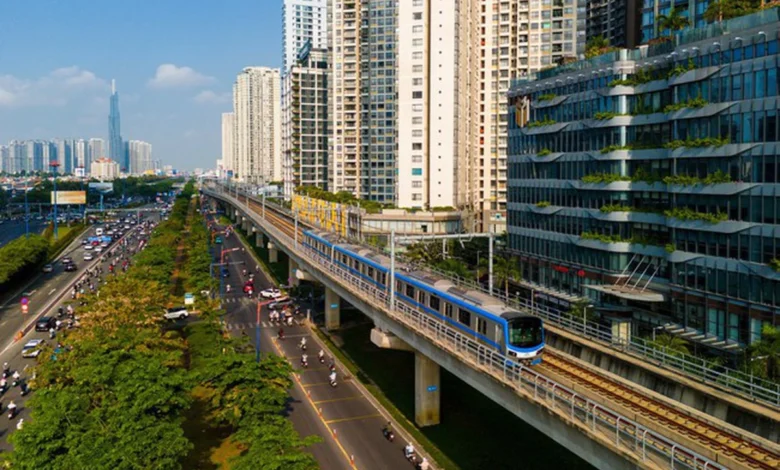
The definition of a "prime location" in the real estate market is undergoing a profound transformation, shifting from a narrow focus on physical distance to city centers toward a multi-dimensional strategy that prioritizes connectivity, infrastructure integration, and sustainable urban development. As major metropolitan areas like Hanoi evolve, developers are increasingly tasked with balancing immediate geographic appeal with the long-term, systemic value of a property. Masterise Homes has emerged as a key player in this transition, adopting a methodology that scrutinizes site selection not merely for current utility, but for its role within the future urban fabric.
This shift in perspective is driven by the maturation of cities, the adoption of Transit-Oriented Development (TOD) models, and the emergence of massive infrastructure projects that redefine regional accessibility. By integrating legal transparency with forward-looking urban planning, the developer aims to secure asset appreciation for investors while fostering stable, high-quality living environments.
The Evolution of the Prime Location Concept
Historically, the real estate sector relied on a conventional set of metrics to determine value: proximity to the central business district (CBD), access to established commercial hubs, and high-density surroundings. These markers, while still relevant, are no longer sufficient to guarantee long-term returns in a rapidly expanding urban landscape.
In recent years, the concept of a "golden location" has been expanded to include the capacity for connectivity with future growth engines. For developers like Masterise Homes, the value of a project is intrinsically linked to how well it integrates into the city’s planned expansion over a 10 to 20-year horizon. This involves an analysis of public transportation networks, the development of secondary urban centers, and the alignment with government master plans for regional connectivity.
Case Study: North-East Hanoi and the TOD Model
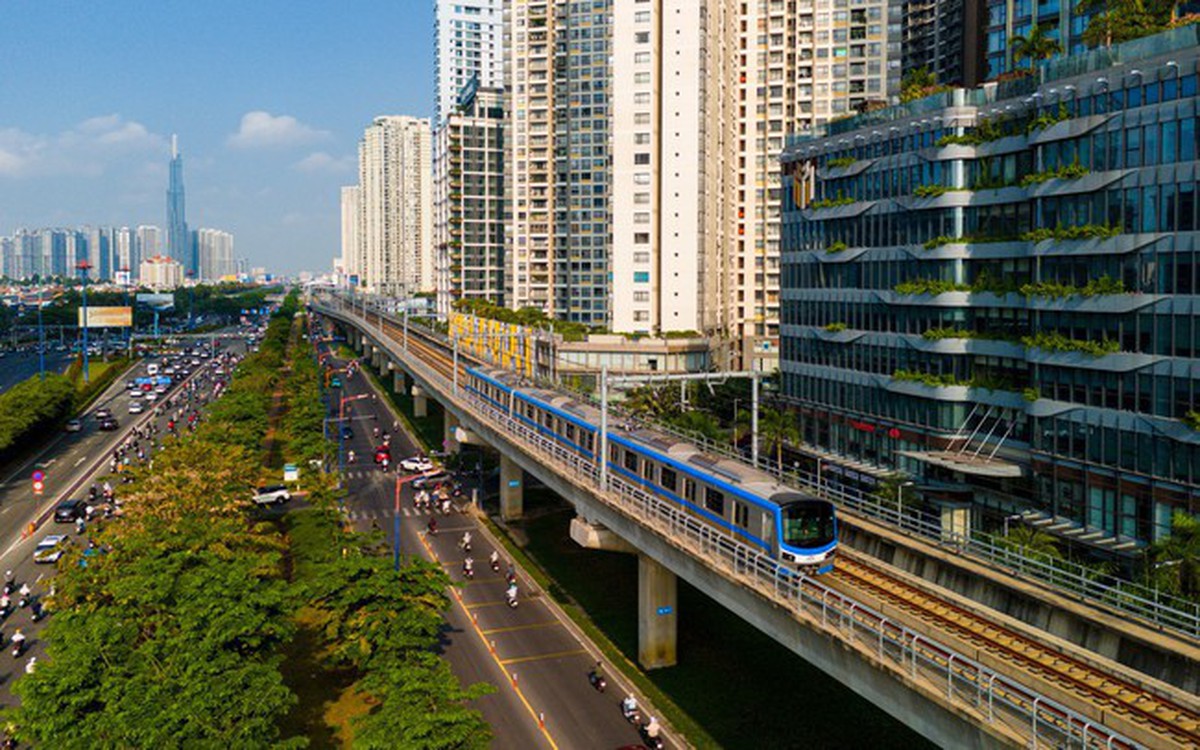
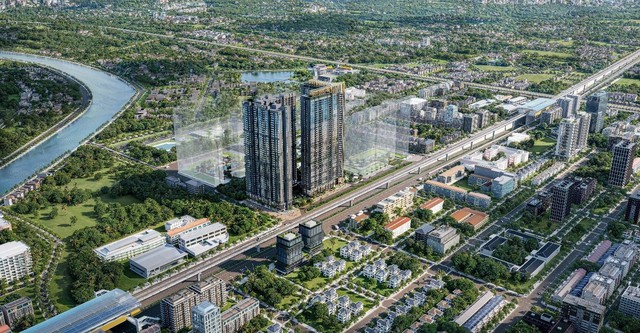
The development of the North-East region of Hanoi serves as a prime example of this strategic evolution. The LUMIÈRE Essence Peak project, situated at the heart of the Global Gate area in Dong Anh, exemplifies how modern developers are aligning with city-wide infrastructure goals.
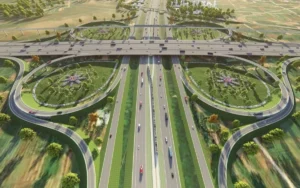
The Dong Anh area is currently undergoing a radical transformation, bolstered by a series of high-impact infrastructure projects. The Tu Lien Bridge, slated to commence operations in the second quarter of 2027, is expected to significantly increase connectivity across the Red River, linking the city center directly to the northern districts. Furthermore, the planned Metro Line No. 4, which follows a circular path connecting Dong Anh, Me Linh, and Van Dien, aligns perfectly with the TOD development model being championed near the National Exhibition Center.
When viewed at a macro level, the urban planning of Hanoi has identified the West Lake – Dong Anh – Gia Binh airport corridor as a vital economic link. This corridor effectively integrates the North-East region into the broader economic triangle of Hanoi – Hai Phong – Quang Ninh. By situating projects like LUMIÈRE Essence Peak at the intersection of these growth drivers, Masterise Homes is moving beyond the "location" of today to capture the potential of the urban structure of tomorrow.
Exploiting Established Value: The Case of Nguyen Trai
While new growth areas offer significant upside, the strategy of "value exploitation" remains equally critical for developed areas. The LUMIÈRE Hanoi Seasons Garden, located on the Nguyen Trai axis, demonstrates a different facet of this approach. Rather than relying on the birth of a new urban center, this project focuses on the existing high-density demand for services, education, and transportation in a mature district.
In this context, the value of the location is bolstered by the ongoing expansion of the Ring Road 2.5, specifically the section connecting Ha Dong and Nguyen Trai. This infrastructure addition serves as a complement to existing facilities, enhancing the accessibility and overall appeal of the area. By focusing on projects that sit at the intersection of existing high-value infrastructure and future capacity improvements, the developer minimizes risk while maximizing the utility of the land.
The Pillars of Long-Term Asset Protection
If strategic planning sets the stage for growth, legal integrity provides the necessary foundation for the protection of assets. In the current Vietnamese real estate landscape, the intersection of legal clarity and property rights is a focal point for both domestic and international investors.
The implementation of Resolution 21-NQ/TW has sparked significant discourse regarding the lifespan of apartment buildings and the rights of owners. It is essential to distinguish between the technical lifespan of a construction project and the legal ownership rights of the individual unit holder. Under existing regulations, including Decree 102/2024/ND-CP, the ownership rights of apartment units are distinct from the land use rights. When a project is designated for long-term residential use, owners are granted certificates that reflect their portion of the land use rights, providing a level of legal certainty that transcends the physical lifespan of the building itself.
Masterise Homes emphasizes that legal transparency is not merely a checkbox for project approval, but a critical component of the value proposition for buyers. By ensuring that all projects are backed by comprehensive legal documentation, the developer provides a safeguard for owners, ensuring that their long-term financial plans are supported by a clear legal framework.
Data-Driven Development and Financial Synergy
To facilitate these long-term investments, Masterise Homes has implemented the "Accompanying to Create Value – Elevating Sustainable Living Experience" program. Running from August 1, 2024, through September 30, 2026, the program is designed to provide clients with financial solutions that grant greater autonomy in their housing plans.
This initiative, often developed in partnership with major financial institutions like Techcombank, reflects a broader trend toward integrated real estate and financial services. By providing structured payment schedules and mortgage support, the developer aims to lower the barrier to entry for high-quality, sustainable real estate, while simultaneously ensuring that investors remain in a strong financial position to hold their assets for the long term.
Broader Implications for the Urban Real Estate Market
The shift toward a more nuanced, research-driven approach to site selection and legal structuring has broader implications for the Vietnamese property market. As the market transitions from a period of speculative growth to one defined by professional, value-oriented development, the "location-only" strategy is likely to fade.
Future success will depend on three pillars:
- Infrastructure Integration: The ability to predict and leverage government infrastructure spending, particularly in the transit sector.
- Legal Certainty: The commitment to absolute transparency in land rights and ownership documentation, mitigating the risks associated with regulatory changes.
- Operational Excellence: The long-term maintenance and management of the property, which preserves value beyond the initial delivery phase.
By prioritizing these pillars, developers can create assets that act as reliable stores of value in an inflationary environment. For the investor, the focus is shifting toward "sustainable ownership"—the idea that a property should not only be a place to live but a long-term financial instrument that grows in lockstep with the city’s development.
Conclusion: A New Era of Professionalism
The methodology employed by Masterise Homes, which combines the strategic identification of future urban nodes with a rigorous adherence to legal frameworks, reflects the growing maturity of the real estate sector in Vietnam. By moving away from a "one-size-fits-all" approach to location, and instead tailoring development to the specific economic and structural dynamics of each site, the developer is setting a new standard for the industry.
As Hanoi and other major cities continue their rapid expansion, the role of developers in shaping the urban landscape becomes increasingly significant. By aligning corporate interests with the long-term goals of the city—such as the creation of integrated, well-connected, and legally secure residential environments—developers are not just building apartments; they are building the foundations of a sustainable future. For stakeholders, this shift signifies a move toward a more transparent, stable, and ultimately more profitable real estate market, one where value is not merely assumed, but meticulously constructed.