Urban Greening and Nature-Based Solutions Can Reduce City Temperatures by Up to 5 Degrees Celsius

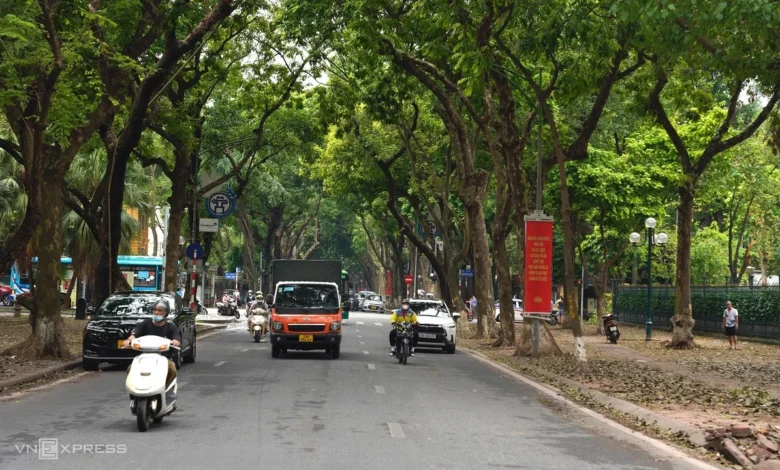
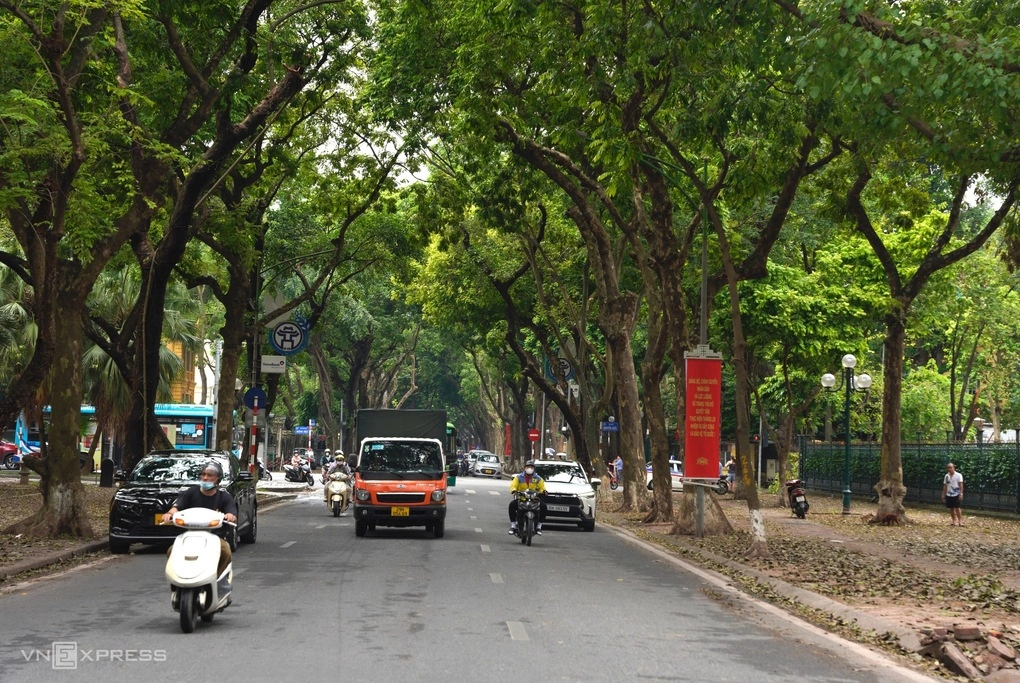
As global temperatures continue to climb, urban centers are increasingly becoming focal points for extreme heat, often referred to as "urban heat islands." Recent research published by RMIT University on October 27, 2026, highlights that the strategic implementation of green infrastructure—specifically trees, vegetation, and permeable water surfaces—can mitigate city temperatures by as much as 5 degrees Celsius. This cooling effect is achieved through two primary mechanisms: the creation of shade and the process of evapotranspiration, which significantly reduces the frequency and intensity of heatwaves.
The study, led by Dr. Tran Duc Trinh, a senior lecturer at RMIT, provides a blueprint for urban planners to combat the mounting risks associated with climate change. By integrating nature-based solutions (NBS) into the fabric of urban development, cities could see a reduction of 24 to 30 days of extreme heat annually.
The Intensifying Threat of Urban Heatwaves
The urgency of this research is underscored by the current meteorological climate. Last month, national weather forecasting centers across the region officially confirmed that the El Niño phenomenon has reached a state of extreme intensity. Forecasts suggest that the upcoming winter season may experience temperature spikes of 1 to 2.5 degrees Celsius above historical averages. More alarmingly, the summer months are projected to witness prolonged and record-breaking heatwaves that could challenge existing infrastructure capacity.
Urban environments, characterized by dense concrete and asphalt surfaces, act as thermal batteries. These materials absorb solar radiation during the day and release it slowly at night, preventing the city from cooling down. Dr. Trinh’s research indicates that without immediate intervention, central urban districts could face up to 100 heat-stressed days per season. Projections for the mid-century suggest that if no adaptation strategies are adopted, the number of extreme heat days could increase by an additional 40 to 60 days per year.
Defining Nature-Based Solutions (NBS)
Nature-based solutions are defined as actions that protect, sustainably manage, and restore natural or modified ecosystems to address societal challenges effectively and adaptively. In an urban context, NBS focuses on two primary components: "Blue Infrastructure" (water bodies) and "Green Infrastructure" (trees and vegetation).
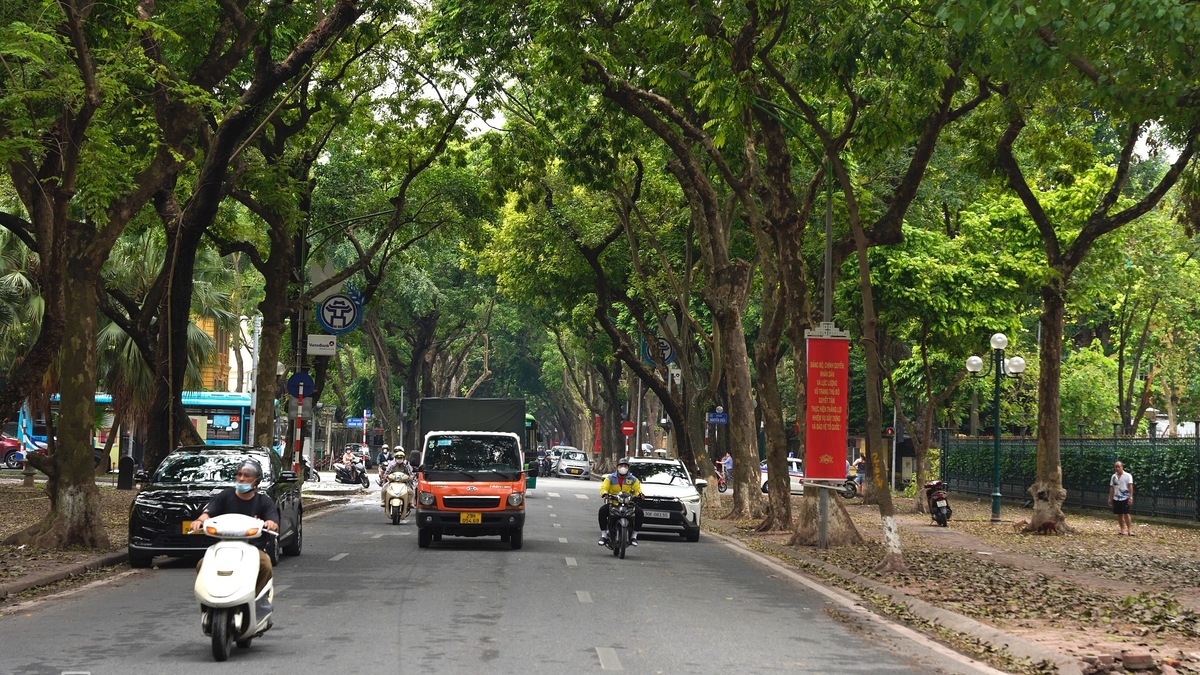
The cooling mechanism of these solutions is multifaceted. Trees and vegetation act as natural umbrellas, shielding surfaces from direct solar radiation. Furthermore, the process of evapotranspiration—where plants release water vapor into the air—creates a localized cooling effect. The study notes that watered vegetation can reduce ambient air temperatures by approximately 0.5 degrees Celsius and surface temperatures by as much as 20 degrees Celsius. This stark difference between air and surface temperatures is most pronounced during the day, as non-porous surfaces like concrete reach peak thermal absorption.
The Role of Blue Infrastructure
While trees provide critical shade, water bodies such as ponds, canals, and lakes serve as "thermal sponges." These elements not only lower the temperature of the surrounding air through continuous evaporation but also function as essential components of urban drainage systems. By capturing rainwater, these blue spaces replenish local water tables, maintaining the moisture levels required to keep vegetation thriving during dry spells.
However, the efficacy of these solutions is not uniform. The research highlights that the impact of a park or a water body is typically localized, extending roughly 50 to 150 meters in the direction of the prevailing wind. Consequently, urban planners must move away from isolated, "one-size-fits-all" projects and toward a comprehensive, district-wide strategy.
Strategic Implementation and Geographic Considerations
A critical finding of the RMIT research is that the application of NBS must be context-specific. Not all regions face the same heat stress profiles. In Vietnam, for instance, historical data from 1981 to 2018 demonstrates that the Red River Delta and the Southeast regions have experienced the most significant temperature increases. Therefore, identifying these specific "hot spots" is essential for maximizing the return on investment for green infrastructure.
Furthermore, the study warns against over-relying on superficial solutions. For example, green roofs on high-rise buildings may provide aesthetic value but offer limited cooling benefits for the street-level pedestrian experience. Additionally, without consistent maintenance and irrigation, these green systems can lose their cooling efficacy, essentially becoming dead weight in the urban landscape.
Socio-Economic Vulnerability
The impact of urban heat is not distributed equally. Dr. Trinh and his team integrated climate data with economic and social indicators to identify the most vulnerable populations. Those most at risk include low-income households, the elderly, individuals with disabilities, and residents living in substandard housing.
These groups often lack the financial resources to adopt individual cooling strategies, such as air conditioning or high-quality insulation, making them disproportionately susceptible to heat-related illnesses and productivity loss. The research emphasizes that policy interventions must prioritize these demographics, ensuring that NBS initiatives are integrated into social housing and community spaces.
Chronology of Climate Adaptation Efforts
The push for nature-based urban design has gained significant momentum over the last decade. A brief overview of the shift in urban planning priorities includes:
- 2015-2018: Initial awareness campaigns focusing on the "Urban Heat Island" effect, primarily driven by international climate summits and municipal environmental reports.
- 2019-2022: Early pilot programs in Southeast Asia focusing on "Vertical Gardens" and the restoration of urban canals to combat localized flooding and rising temperatures.
- 2023-2025: A transition toward data-driven urban planning, where universities and government bodies began mapping thermal variances across city districts.
- 2026: The current period, marked by the integration of large-scale climate modeling and socio-economic analysis to create "Climate-Resilient Urbanism" frameworks.
Implications for Future Policy
The research concludes that while nature-based solutions are powerful, they are not a panacea. They must be coupled with structural changes in urban planning, including the use of reflective building materials, improved ventilation corridors, and the reduction of anthropogenic heat sources (such as vehicle exhaust and industrial waste heat).
Moving forward, the research team intends to delve deeper into the nexus between urban heat, human health, and economic productivity. By quantifying the economic losses associated with heat-induced absenteeism and health complications, the team aims to provide a compelling financial argument for government investment in green infrastructure.
Ultimately, the goal is to shift the perception of green spaces from "amenities" to "essential infrastructure." Just as roads and sewage systems are fundamental to a city’s function, green and blue corridors must be recognized as critical assets that ensure the habitability and resilience of urban centers in an era of unprecedented climate change.
As the global community observes the ongoing impacts of the current El Niño, the findings from the RMIT study serve as a timely reminder that nature, when properly integrated into the city grid, remains one of humanity’s most effective tools for thermal regulation and long-term sustainability. The challenge for policymakers will be to move from theoretical models to large-scale, equitable implementation.