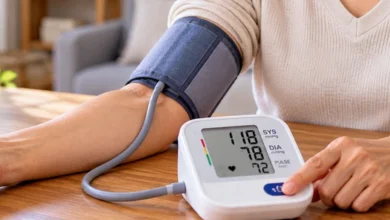
Managing cholesterol levels is a multifaceted endeavor that extends well beyond the daily intake of dietary nutrients; it is fundamentally tied to the rhythm of one’s evening lifestyle. While medical professionals often emphasize the importance of a balanced diet and regular cardiovascular exercise, the specific behavioral choices made in the hours leading up to bedtime play a critical, yet often overlooked, role in systemic health. Recent findings published in Health suggest that consistent, small adjustments to post-dinner routines can significantly support blood lipid control, weight management, and the reduction of underlying cardiovascular risk factors.
The correlation between nighttime habits and metabolic health has become a focal point of recent clinical research. As the prevalence of metabolic syndrome and hyperlipidemia rises globally, healthcare providers are increasingly looking for actionable, sustainable lifestyle modifications that patients can integrate into their daily lives without the burden of drastic behavioral shifts.
The Physiology of Post-Prandial Movement
One of the most effective, yet simple, interventions for cardiovascular health is the practice of light physical activity immediately following an evening meal. Engaging in a brief walk—ideally between 10 to 20 minutes—serves as a catalyst for metabolic regulation. Physiologically, post-meal walking facilitates the uptake of glucose into the muscles, which assists in stabilizing blood sugar levels. This is particularly significant for individuals managing insulin resistance or those at risk of Type 2 diabetes.
From a clinical perspective, the relationship between glucose regulation and lipid profiles is robust. Chronic hyperglycemia often correlates with elevated levels of low-density lipoprotein (LDL) cholesterol—frequently referred to as "bad" cholesterol—and triglycerides. By smoothing out post-prandial blood sugar spikes, a short walk helps mitigate the metabolic stress that contributes to the accumulation of these harmful lipids. Furthermore, these 20-minute windows contribute to the broader goal of achieving at least 150 minutes of moderate-intensity aerobic activity per week, as recommended by major cardiovascular health organizations.
The Risks of Nocturnal Snacking and Late-Night Consumption
The habit of late-night eating, particularly when the nutritional quality of the food is compromised, is a major contributor to metabolic dysfunction. It is not necessarily the act of eating after dinner that is detrimental, but rather the selection of calorie-dense, nutrient-poor items. Common evening snacks, such as processed potato chips, cookies, ice cream, and sugary confections, are typically laden with saturated fats and added sugars.

Regular consumption of these items creates a cyclical disruption in metabolic processes. High intake of saturated fats directly impacts liver function, where cholesterol is metabolized, often leading to an increase in serum LDL levels. Moreover, the body’s ability to process glucose and lipids diminishes as the circadian rhythm progresses toward sleep. When the body is forced to digest heavy, sugar-rich loads late at night, it can lead to increased fat storage and an exacerbation of systemic inflammation, both of which are precursors to atherosclerosis and other heart conditions.
Health experts advise that if one frequently feels hungry after dinner, it is a signal to reassess the quality of earlier meals. A balanced dinner—rich in high-quality protein, dietary fiber, and healthy fats—is far more effective at promoting satiety and preventing the "midnight snack" impulse. When genuine hunger occurs, practitioners suggest replacing processed treats with fiber-rich fruits, low-sodium popcorn, or a small portion of raw nuts, which provide satiety without triggering the same insulin and lipid spikes associated with processed carbohydrates.
The Role of Stress Reduction in Cardiovascular Maintenance
Chronic stress is a well-documented driver of cardiovascular disease, acting through both direct physiological mechanisms—such as the elevation of cortisol—and indirect behavioral pathways. Elevated cortisol levels have been linked to an increase in circulating cholesterol and the promotion of abdominal fat storage. In the context of evening habits, stress often manifests as sedentary, unmindful behaviors, such as excessive screen time or "doom-scrolling," which prevent the body from transitioning into a restorative state.
Integrating a period of intentional relaxation before bed can act as a circuit breaker for this stress cycle. Simple practices, such as reading, light restorative yoga, deep breathing exercises, or taking a warm bath, have been shown to lower heart rate and reduce cortisol production. By improving sleep quality through these relaxation techniques, individuals can better manage the hormonal balance that regulates appetite and metabolic function, thereby supporting the body’s efforts to regulate cholesterol levels.
Sleep Hygiene as a Metabolic Regulator
The quality and duration of sleep serve as the foundation for metabolic homeostasis. Clinical studies have consistently shown that sleep deprivation is associated with higher levels of LDL cholesterol and triglycerides. When the body is deprived of restorative sleep, it struggles to manage the hunger hormones ghrelin and leptin. This hormonal imbalance often leads to increased cravings for high-calorie foods, creating a secondary risk factor for heart disease.
For the average adult, the recommendation remains 7 to 9 hours of quality sleep per night. To achieve this, it is essential to cultivate a "sleep-first" environment. This includes maintaining consistent bedtimes and wake times, minimizing exposure to blue-light-emitting electronic devices at least an hour before sleep, and ensuring the bedroom is dark, quiet, and cool. These environmental adjustments are not merely about rest; they are active components of a cardiovascular disease prevention strategy.

Strategic Planning for Long-Term Success
Perhaps the most practical intervention is the habit of preparing for the following day’s nutritional needs during the evening hours. Decision fatigue is a real phenomenon that often leads individuals to make poor nutritional choices. By dedicating a few minutes each evening to planning meals, individuals can ensure they have access to healthy options, thereby avoiding the temptation of pre-packaged, highly processed foods that are typically high in sodium and saturated fats.
This preparation phase is an ideal time to incorporate nutrient-dense staples such as leafy greens, legumes, whole grains, and fatty fish, which are all scientifically recognized for their role in heart health. Taking the time to wash fruit, portion out healthy snacks, or pack a nutritious lunch for the following workday reduces the reliance on convenience foods and ensures that the body is receiving the fuel it needs to function optimally.
Broader Implications and Public Health Perspectives
The synthesis of these five habits—post-meal movement, mindful snack selection, stress management, adequate sleep, and proactive meal planning—represents a holistic approach to cardiovascular health. While pharmaceutical interventions remain necessary for many patients with hereditary or severe hyperlipidemia, lifestyle modifications provide the essential framework upon which all other treatments rely.
From a public health perspective, shifting the focus toward these "evening rituals" empowers individuals to take control of their health in a manageable way. These are not grand, expensive gestures; they are daily, incremental choices that, when compounded, have the power to alter the trajectory of heart health. By viewing the evening hours as a critical time for metabolic recovery rather than a period of idle indulgence, the medical community can foster a more proactive, preventative culture.
Ultimately, the goal is to align modern lifestyles with the biological needs of the human cardiovascular system. As research continues to uncover the complex links between lifestyle and lipid metabolism, it becomes increasingly clear that the most potent medicine is often found in the routine habits we cultivate within the privacy of our own homes. Consistent adherence to these principles does not only aid in the immediate management of cholesterol; it lays the groundwork for sustained vitality and long-term protection against the leading causes of chronic disease.