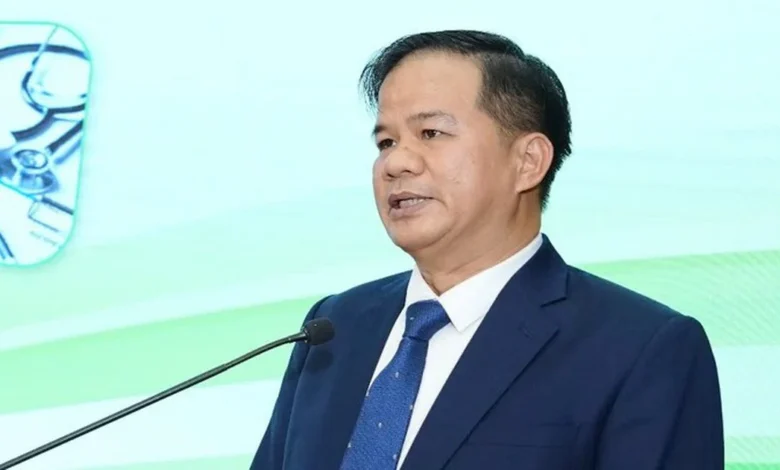
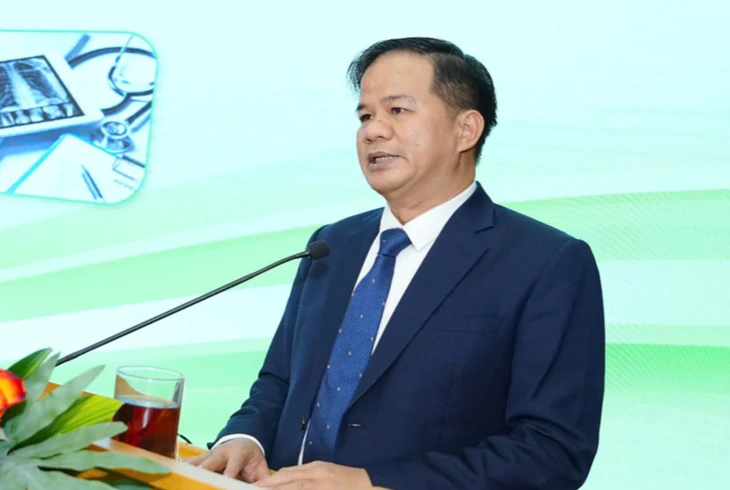
The Vietnamese government has announced a significant high-level personnel appointment within the national healthcare sector, naming Associate Professor, Doctor Đào Xuân Cơ, Director of Bạch Mai Hospital, as the new Deputy Minister of Health. The decision, recently signed by the Prime Minister, comes at a crucial time for the country’s public health administration as the ministry navigates structural reorganization, technological transformation, and ongoing administrative reforms to enhance medical service delivery across Vietnam.
Professional Background and Academic Journey
Born in 1970 in the northern province of Hưng Yên, Đào Xuân Cơ brings nearly three decades of intensive clinical, academic, and administrative experience to his new national leadership role. His journey in medicine began in 1996 when he graduated from the Hanoi Medical University, an institution that has produced many of Vietnam’s foremost medical professionals. Following his foundational medical training, he pursued advanced specialization in critical care medicine, earning his master’s degree in the field in 2005.
Demonstrating a commitment to international standards and cross-cultural medical knowledge, Dr. Cơ expanded his expertise abroad in 2008 through a scientific fellowship program at St. Anthony Hospital and the renowned Mayo Clinic in the United States. His contributions to medical research, clinical instruction, and hospital administration earned him the academic title of Associate Professor in 2018. Over the years, he has authored numerous scholarly articles published in prestigious international and domestic medical journals. Notably, he served as the lead editor of the Internal Medicine Diagnosis and Treatment Handbook, a comprehensive clinical guide that was honored with the A Prize at the 7th National Book Awards in 2024.
A Career Forged in Critical Care and Emergency Medicine
Dr. Cơ’s professional trajectory is deeply rooted in the demanding field of resuscitation and emergency care. For the first nine years of his career, spanning from December 1996 to November 2005, he worked in the Intensive Care Unit of the Hải Dương Provincial General Hospital, where he developed frontline experience in managing acute medical emergencies.
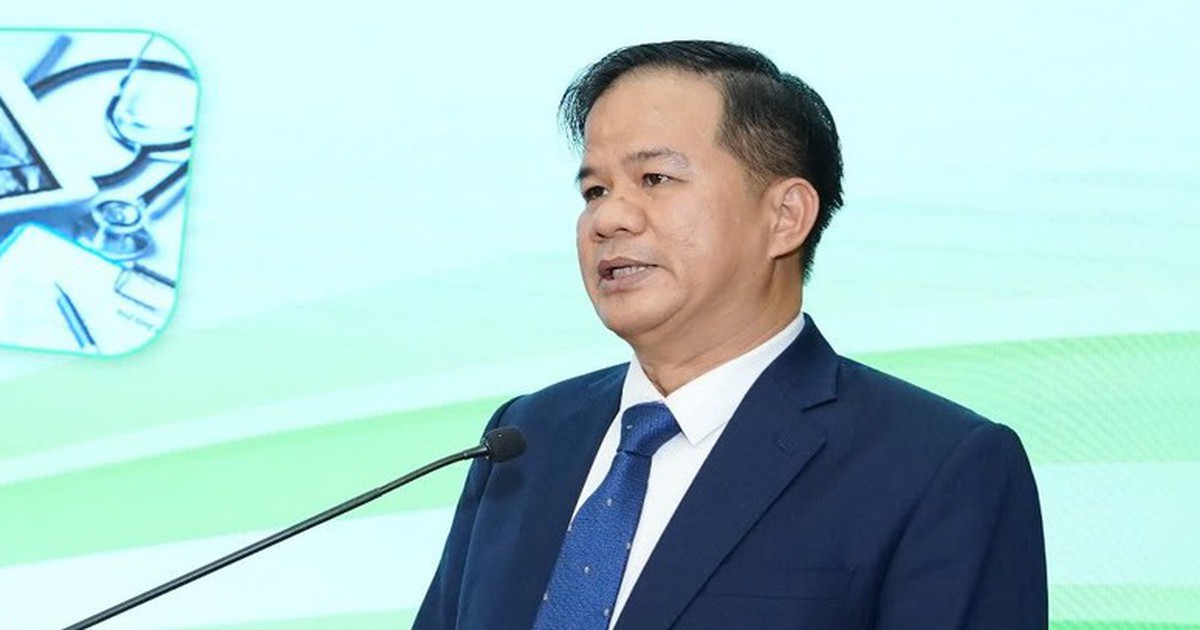
In November 2005, he transitioned to Bạch Mai Hospital—one of Vietnam’s premier national general hospitals—to continue his specialization in critical care. Within this high-pressure environment, he steadily rose through the ranks. By 2014, he was appointed as the Deputy Head of the Intensive Care Unit, and by June 2018, he assumed the position of Head of the Department. Concurrently, he took on broader professional responsibilities within the broader medical community, serving as the General Secretary and later Vice Chairman of the Vietnam Society of Intensive Care, Emergency Medicine, and Clinical Toxicology.
During his tenure in critical care, Dr. Cơ and his colleagues played a pivotal role in introducing and refining advanced resuscitation techniques at Bạch Mai Hospital. These included continuous renal replacement therapy, therapeutic plasma exchange, and extracorporeal membrane oxygenation (ECMO). The implementation of these complex procedures significantly improved survival rates for critically ill patients, particularly during severe public health challenges and outbreaks.
Leadership at Bạch Mai Hospital and Digital Transformation
In August 2020, amidst a challenging period for the healthcare system marked by both administrative transitions and the pressures of the COVID-19 pandemic, Dr. Cơ was appointed Deputy Director of Bạch Mai Hospital. Recognized for his steady leadership and institutional knowledge, he was subsequently named Director of the hospital on March 29, 2022.
As the head of a major national medical center, Dr. Cơ championed modernization and operational efficiency. A hallmark of his leadership has been the aggressive push toward digital transformation within the hospital. Under his administration, on November 1, 2024, Bạch Mai Hospital officially announced the implementation of the electronic medical record (EMR) system, positioning itself as one of the country’s pioneering special-class hospitals to fully replace paper records with digital documentation. This transition aimed to streamline patient data management, reduce waiting times, minimize administrative burdens, and improve the overall quality of patient care.
In addition to his hospital management duties, Dr. Cơ has remained heavily involved in medical education and academic mentorship. He has held prestigious teaching and administrative positions, including Principal of the Bạch Mai Medical College, Vice Principal and Head of the Department of Intensive Care and Emergency Medicine at the University of Medicine and Pharmacy under the Vietnam National University, Hanoi, and leadership roles within various professional medical associations.
Restructuring the Ministry of Health Leadership Team
The appointment of Associate Professor Đào Xuân Cơ as Deputy Minister of Health comes at a critical juncture for the Ministry of Health’s executive board. With his inclusion, the ministry’s leadership structure comprises Minister Đào Hồng Lan and five Deputy Ministers: Permanent Deputy Minister Vũ Mạnh Hà, alongside Deputy Ministers Đỗ Xuân Tuyên, Nguyễn Thị Liên Hương, Lê Đức Luận, and Đào Xuân Cơ.
This personnel consolidation follows a series of high-profile departures and internal restructuring events within the ministry over the preceding months. Earlier in 2026, former Deputy Minister Trần Văn Thuấn was suspended from his duties and subsequently detained as part of ongoing legal investigations. Later in September 2026, Deputy Minister Nguyễn Tri Thức also stepped down from his leadership position. These transitions created operational vacancies at the vice-ministerial level, prompting the government to expedite the selection and appointment of experienced, credible medical professionals to maintain stability and strategic momentum within the public health sector.
Strategic Implications and Future Outlook
The elevation of Dr. Cơ to the position of Deputy Minister of Health is expected to bring robust clinical insight and practical management experience to national health policy formulation. Given his extensive background in hospital administration, emergency medicine, and technological innovation, analysts suggest he will likely oversee portfolios related to medical examination and treatment quality, hospital management reform, and the nationwide expansion of digital health infrastructure.
The Ministry of Health faces multifaceted challenges, ranging from upgrading grassroots healthcare infrastructure and addressing regional medical disparities to ensuring the sustainable financing of public hospitals and streamlining pharmaceutical procurement processes. The integration of a seasoned technocrat like Dr. Cơ into the central administrative apparatus signals the government’s ongoing commitment to strengthening institutional capacity and restoring public trust in the national healthcare system. As he transitions from managing a premier tertiary hospital to shaping national health strategies, stakeholders across the medical community will be watching closely to see how his frontline experience translates into broader systemic reforms.