The Biological Mechanism of Pigmentation
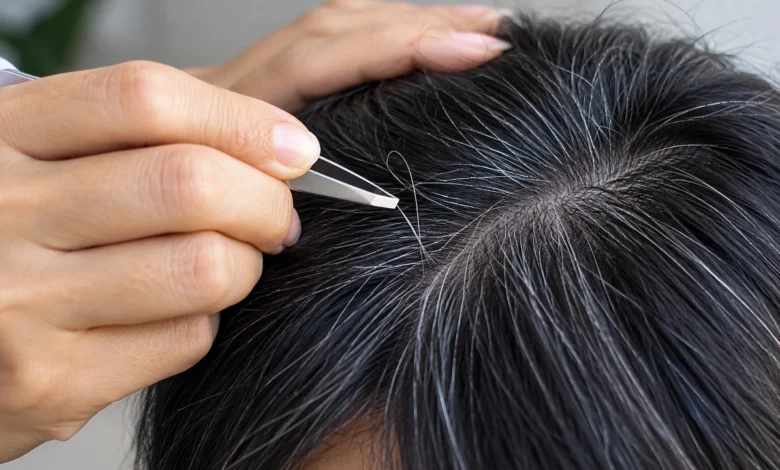
At the core of hair color is melanin, a pigment produced by specialized cells called melanocytes located within the hair follicle. These cells produce two primary types of pigment: eumelanin (which provides black or brown color) and pheomelanin (which provides yellow or red hues). As individuals age, the activity of these melanocyte stem cells gradually declines. Over time, the hair follicles produce less pigment, eventually resulting in the growth of transparent or white hair, which appears gray or silver due to the way light reflects off the strands.
The transition to gray usually becomes noticeable for most people between the ages of 30 and 40. However, when this process occurs before the age of 20 in Caucasians or before 30 in individuals of African or Asian descent, it is classified as premature graying. According to the American Academy of Dermatology (AAD), the variance in the timing of this process is largely dictated by a complex interplay of genetic, physiological, and environmental factors.
The Role of Genetics: The Blueprint of Aging
Genetic predisposition is the primary determinant for the onset of premature graying. Scientific studies suggest that if a person’s parents or grandparents experienced early graying, that individual is statistically more likely to follow the same timeline.
Researchers have identified specific genes—most notably the IRF4 gene—that regulate the production and storage of melanin. Variations in these genes can dictate how efficiently hair follicles maintain their pigment-producing capacity. In cases where premature graying is hereditary, it is generally considered a benign physiological trait rather than a symptom of underlying pathology. For these individuals, graying is simply an accelerated manifestation of their internal biological clock, distinct from systemic health deterioration.
Stress and the Sympathetic Nervous System
While anecdotal evidence has long linked "stress" to hair color loss, modern research has begun to map the neurological pathways involved. Chronic psychological stress triggers the body’s sympathetic nervous system—the "fight or flight" mechanism.
Recent studies, including those published in high-impact journals like Nature, indicate that the release of norepinephrine, a neurotransmitter associated with stress, can lead to the over-activation of melanocyte stem cells. This activation forces the stem cells to differentiate and migrate away from the hair follicle prematurely, effectively depleting the reservoir of pigment-producing cells. Once these stem cells are exhausted, the follicle loses its ability to regenerate color. It is important to note, however, that stress-induced graying is often permanent; the cessation of a stressful environment does not guarantee the return of natural hair color.
Environmental Impact: The Toll of Smoking
Lifestyle choices, particularly smoking, play a documented role in the acceleration of canities. The correlation between tobacco use and premature graying is stark; smokers are approximately 2.5 times more likely to experience premature graying than non-smokers before the age of 30.

The mechanism behind this is rooted in oxidative stress. Cigarette smoke contains over 7,000 chemicals, many of which are toxic and promote the production of free radicals. These molecules cause damage to cellular structures, including the DNA within hair follicles. When the body’s antioxidant defenses are overwhelmed by the constant influx of toxins, the melanocytes suffer damage, leading to the inhibition of pigment synthesis. Furthermore, the vasoconstrictive effects of nicotine reduce blood flow to the scalp, depriving hair follicles of essential nutrients required for healthy function.
Nutritional Deficiencies and Metabolic Health
The hair follicle is a highly active metabolic site that requires a consistent supply of vitamins, minerals, and proteins. Deficiencies in specific micronutrients are frequently linked to early pigment loss.
- Vitamin B12: Often cited as the leading nutritional cause of premature graying, B12 deficiency leads to megaloblastic anemia, which disrupts the oxygen-carrying capacity of blood. This can starve the hair follicles of the oxygen needed for cell maintenance.
- Copper and Iron: Copper is a critical cofactor for tyrosinase, the enzyme responsible for synthesizing melanin. A lack of copper directly stalls the production of pigment. Similarly, iron deficiency, a common global health concern, is closely associated with hair thinning and premature color loss.
- Vitamin D and Calcium: Emerging research suggests that low serum levels of Vitamin D are common in patients with premature graying, indicating a potential role for this hormone in the regulation of melanocyte health.
Clinical Implications and Underlying Pathologies
In some instances, premature graying is a clinical "red flag" for underlying systemic disorders. Autoimmune conditions, such as vitiligo or alopecia areata, can manifest as patches of white hair. Vitiligo occurs when the immune system mistakenly attacks melanocytes, while alopecia areata can cause hair to fall out and regrow in a depigmented state.
Thyroid dysfunction is another significant medical factor. Both hyperthyroidism and hypothyroidism can disrupt the body’s metabolic processes, affecting hair growth cycles and pigment production. Individuals who notice rapid, widespread graying accompanied by unexplained weight changes, chronic fatigue, or texture changes in their hair and skin should consult a medical professional for a comprehensive blood panel to rule out hormonal imbalances or autoimmune activity.
The Influence of Pharmacological Agents
Beyond biological and environmental factors, certain medical treatments can inadvertently alter hair color. Patients undergoing chemotherapy are often aware of potential hair loss, but some oncology treatments and medications—including specific antimalarials, anticonvulsants, and oral retinoids—have been clinically linked to changes in hair pigmentation.
These effects are typically dose-dependent. In many cases, the restoration of natural hair color occurs after the cessation of the medication, though this is not a universal outcome. Patients are strictly advised against self-modifying or stopping prescribed medication regimens upon noticing changes in hair color; such decisions should only be made in consultation with a primary care physician or dermatologist.
Conclusion and Preventive Perspectives
While the pursuit of maintaining one’s natural hair color is a common objective in modern aesthetics, it is essential to distinguish between natural aging and the warning signs of systemic health issues. Genetics remain the primary driver of premature graying, and for those individuals, the process is largely immutable.
However, the "controllable" factors—smoking cessation, managing chronic stress through mindfulness or physical activity, and maintaining a balanced, nutrient-rich diet—can significantly support long-term follicular health. For those whose graying is not genetically linked, medical evaluation can provide insights into latent nutritional deficiencies or endocrine disorders. Ultimately, while gray hair is an inevitable aspect of the human experience, understanding its triggers allows individuals to make informed decisions about their lifestyle and health, ensuring that hair vitality is treated as an extension of one’s overall physical well-being.