United States Midterm Elections Set to Reshape the Political Landscape of Washington Under the Trump Administration

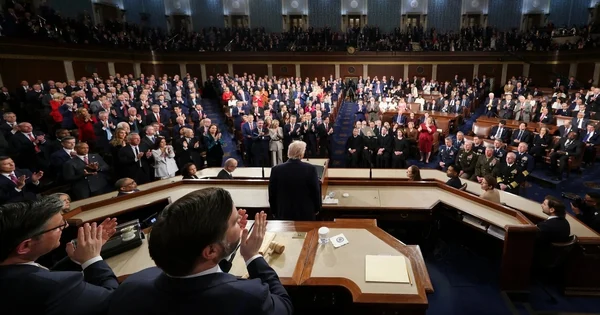
The political landscape of Washington D.C. stands on the precipice of a significant transformation following the midterm elections scheduled for November 3. As American voters head to the polls to cast ballots for the entire 435-member House of Representatives and 35 of the 100 seats in the Senate, the results will determine whether the Republican Party can maintain its legislative momentum or if the Democratic Party will successfully seize control to provide a check on the White House’s policy agenda. This election cycle, occurring midway through President Donald Trump’s current term, acts as a crucial referendum on his administration’s performance and the direction of the country.
Historical Context and Legislative Stakes
Since 1946, the party of the sitting president has historically faced significant headwinds during midterm cycles, losing an average of dozens of seats in the House of Representatives in 18 out of 20 instances. Currently, the Republican Party holds a narrow majority in the House with 219 seats against the Democratic Party’s 214, with two vacancies. To regain the Speaker’s gavel, Democrats must net at least four seats, a feat that requires both holding their current districts and flipping key battlegrounds.
The Senate map presents a different set of challenges. With 35 seats up for election—33 regularly scheduled and two special elections in Florida and Ohio—the chamber’s balance of power remains precarious. Republicans currently hold 53 seats to the Democrats’ 47. Because Vice President JD Vance holds the tie-breaking vote, the Democrats face an uphill climb, requiring a net gain of at least four seats to secure a functional majority.
The Strategic Importance of Legislative Control
The intensity of this year’s campaigns reflects the high stakes involved in controlling the legislative branch. Every piece of federal legislation, from tax codes to infrastructure spending, must clear both houses of Congress to reach the President’s desk. Furthermore, the Senate holds the exclusive power to confirm judicial appointments and executive cabinet members, while the House serves as the primary watchdog over the executive branch’s administrative actions.
Both parties have poured record-breaking sums of money into these races. Data from the political advertising analytics firm AdImpact indicates that total campaign spending is projected to reach an unprecedented $11.6 billion. This figure surpasses both the $8.9 billion spent during the 2022 midterms and the $11.2 billion recorded during the 2024 presidential election cycle. Experts attribute this surge not only to inflation but to the record-breaking contributions from Super PACs and wealthy donors who recognize that legislative control is the ultimate prize for their long-term policy goals.
Chronology of a Contentious Cycle
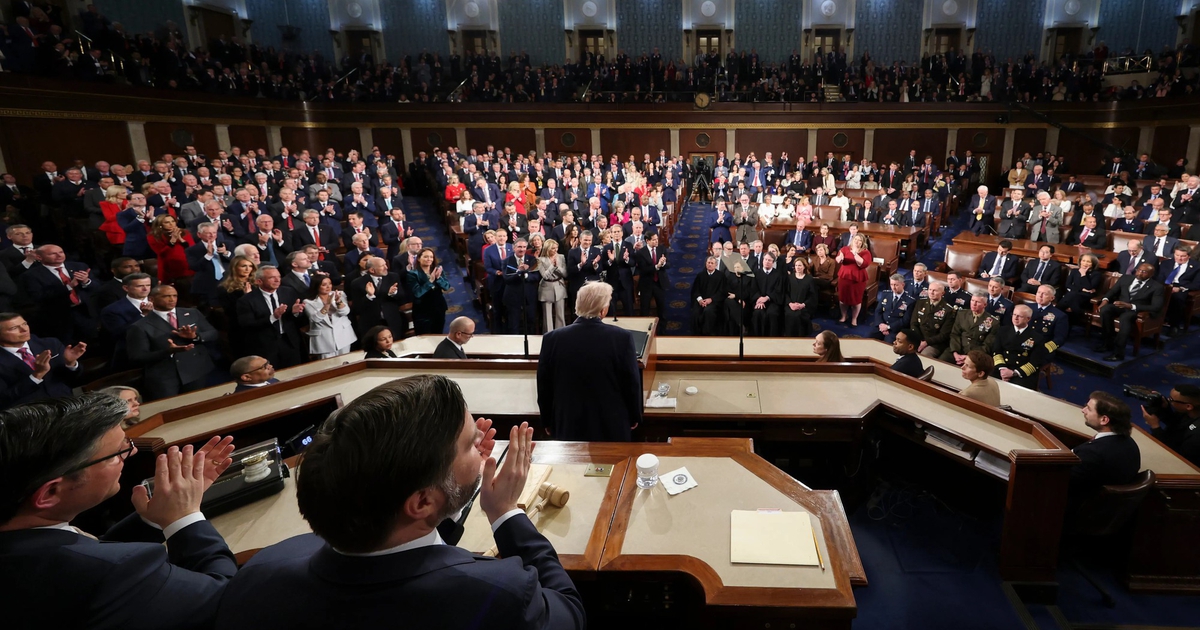
The path to November 3 has been marked by intense grassroots campaigning and localized battles. Early in the year, the focus remained on redistricting—a process that shifted the boundaries of electoral districts in several states, often to the advantage of the incumbent party. By late summer, the national conversation shifted toward the economy, healthcare, and foreign policy, particularly the administration’s stance on Iran and international trade.
As October progressed, the pace of the campaign accelerated. President Trump engaged in a series of rallies across 19 states, urging his base to ensure their voices were heard at the ballot box. Simultaneously, Democratic leadership focused their messaging on protecting social safety nets and addressing the rising cost of living, which they have frequently tied to the current administration’s tariff policies.
Key Issues Driving the Electorate
According to an October Gallup poll, voters identified three primary factors as "critically important" to their decision-making: the economy (50%), healthcare (50%), and the situation involving Iran (47%). Other major issues included income inequality (44%), fuel prices (42%), immigration (40%), and reproductive rights (38%).
The electorate is deeply polarized. Democratic voters have shown consistent concern for healthcare and income stability. Conversely, Republican voters have prioritized the administration’s "America First" agenda, specifically the implementation of stricter immigration controls and the imposition of tariffs on imported goods. Despite the administration’s emphasis on economic growth, internal surveys have revealed that some voters blame current inflationary pressures on the administration’s aggressive foreign policy and trade protectionism.
Regional Battles and Projections
The battle for the Senate is playing out in several key states, including North Carolina, Maine, Ohio, and Texas. In North Carolina, former Governor Roy Cooper has polled ahead of Republican challenger Michael Whatley, while Maine’s race between Troy Jackson and incumbent Senator Susan Collins has remained tighter than anticipated. In Ohio, the special election has seen a competitive contest between Sherrod Brown and Jon Husted, highlighting the shifting demographics of the Rust Belt.
Even in states traditionally considered "safe" for the Republican Party, such as Texas, Democratic challengers are reporting higher-than-usual engagement. The potential for a Democratic breakthrough in these regions could create a "surprise" scenario that would dramatically alter the legislative balance in Washington.
Three Possible Scenarios for the Post-Election Era
Financial analysts at ING have outlined three primary outcomes following the November 3 vote, each with distinct implications for the next two years of the Trump presidency.
-
Republican Control of Both Houses: If the GOP retains its majority in both chambers, President Trump will likely have a clear path to accelerate his "America First" strategy. This would involve a significant tightening of border security, aggressive deregulation, a push for domestic energy independence, and the continued expansion of AI development. On the foreign stage, the administration would likely maintain its current pressure on Iran and continue utilizing tariffs as a primary diplomatic lever.
-
A Divided Congress: This scenario, which many analysts view as the most probable, involves the House falling to the Democrats while the Republicans retain the Senate. In this case, the administration would still be able to confirm its cabinet and judicial appointees through the Senate. However, the House would become a major roadblock for the President’s legislative agenda, particularly regarding tax policy and budget appropriations. This could lead to a cycle of legislative gridlock, potentially resulting in government shutdowns if both parties fail to reach a compromise on spending bills.
-
Democratic Control of Both Houses: A "Blue Wave" scenario, while less likely, would fundamentally stall the administration’s agenda. If Democrats take both chambers, the President would face constant investigations and legislative pushback on every policy initiative. The administration would be forced to negotiate on crucial issues like defense spending and healthcare, likely leading to a moderation of policy objectives to avoid total legislative failure.
Broader Impact and Future Implications
Regardless of the immediate outcome, these midterms serve as a prologue to the 2028 presidential election. The results will provide both parties with a roadmap for their national strategies over the next four years. A strong Republican showing would validate the administration’s current trajectory, while a Democratic surge would signal a deep-seated desire among the electorate for a return to traditional institutional checks and balances.
As the nation waits for the final tally, the underlying reality remains clear: the American political system is currently navigating a period of intense volatility. The outcome on November 3 will not only dictate the policy direction for the remainder of the current term but will also define the political identity of the United States as it looks toward the future. The high voter engagement and record spending observed this cycle underscore the gravity of the choices facing the electorate, ensuring that the impact of this election will be felt far beyond the halls of Congress.
Related posts: