Lao Cai Police Arrest Murder Suspect Following Fatal Stabbing Over Personal Dispute in Bac Ha District

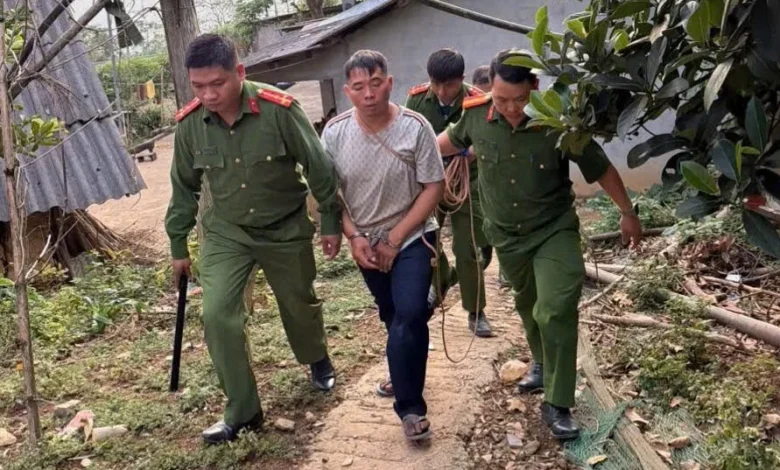
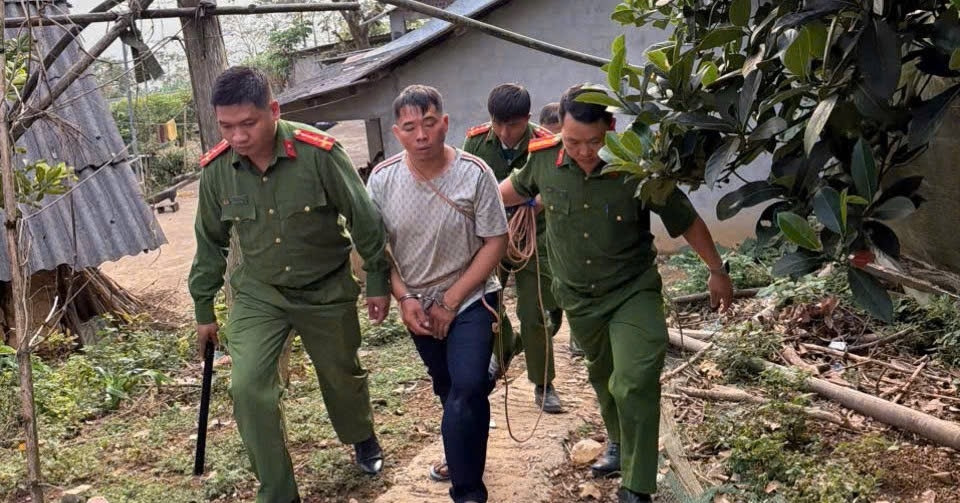
The Investigation Police Agency of the Lao Cai Provincial Police Department has officially prosecuted, served an arrest warrant, and detained Giang Seo Pao, a 36-year-old resident of Nam Mon Commune, Bac Ha District, Lao Cai Province, on charges of murder. The legal proceedings come in the wake of a violent altercation that left a fellow villager dead from multiple stab wounds.
The tragic incident highlights ongoing concerns regarding violent crime in rural and mountainous areas, where minor personal disputes can rapidly escalate into fatal confrontations due to the impulsive use of weapons. Local law enforcement authorities acted swiftly to secure the crime scene, gather forensic evidence, and apprehend the suspect, who ultimately surrendered following persuasion from local officials and police forces.
Chronology of the Incident
The sequence of events unfolded on the morning of November 3, beginning shortly before midday. At approximately 11:00 AM on that day, the Bac Ha Commune Police received an urgent report from the Bac Ha Regional Medical Center regarding a critical emergency admission. A local resident, identified as 41-year-old G.S.N., who lived in the same village as the suspect, had been rushed to the medical facility suffering from severe multiple trauma.
Medical examinations revealed that the victim sustained numerous deep stab wounds across vulnerable areas of his body, including the chest, left flank, left elbow, and back. Despite the immediate mobilization of the medical staff and intensive emergency intervention procedures, the victim’s injuries were too severe. He succumbed to his wounds and was pronounced dead shortly after arrival.
Upon receiving notification of the homicide, the Criminal Police Department of the Lao Cai Provincial Police immediately coordinated with the Bac Ha Commune Police and local investigative teams. Law enforcement officers deployed to the scene to conduct a comprehensive examination, collect physical evidence, interview potential witnesses, and launch an intensive manhunt for the perpetrator.

Through rigorous investigative measures and witness testimonies, authorities quickly identified Giang Seo Pao as the primary suspect. Recognizing that the suspect had fled into the surrounding mountainous terrain, police authorities initiated a coordinated manhunt while simultaneously engaging with the suspect’s family and community networks to encourage a peaceful surrender. Realizing the gravity of the situation and the inevitability of capture, Pao reported to the police station and turned himself in.
During the initial interrogation at the police headquarters, Pao confessed to the crime. According to his testimony, a persistent personal conflict had created deep-seated hostility between him and the victim. On the day of the incident, an argument broke out between the two men, causing their tempers to flare. Driven by sudden anger and hostility during the verbal altercation, Pao retrieved a sharp knife and launched a brutal attack, repeatedly stabbing the victim in vital areas.
Investigators successfully recovered the murder weapon—a sharp knife measuring approximately 25.7 centimeters in length—which had been discarded following the attack. The weapon was secured as primary material evidence for the ongoing criminal case file.
Legal Implications and Ongoing Investigation
The Lao Cai Provincial Police have emphasized that the investigation into the murder case is progressing rapidly. Authorities are currently gathering further documentation, corroborating witness statements, and finalizing forensic reports to prepare for the prosecution’s handover to the People’s Procuracy. Under the Vietnamese Penal Code, the charge of murder carries severe penalties, ranging from long-term imprisonment to life imprisonment or capital punishment, depending on the presence of aggravating factors such as premeditation, extreme cruelty, or the nature of the dispute.
Legal experts note that crimes driven by momentary anger and personal disputes continue to pose significant law enforcement challenges in remote communities. While premeditated crimes often involve complex planning, impulsive violent acts typically stem from unmanaged interpersonal conflicts that culminate in sudden outbursts of lethal violence. The availability of sharp tools, agricultural instruments, or knives in rural households frequently transforms domestic or neighborhood disputes into fatal tragedies before bystanders or authorities can intervene.
Broader Context of Violent Crime in Rural Regions
The tragic event in Bac Ha District is not an isolated occurrence within the broader landscape of rural criminality in Vietnam. Similar violent incidents driven by minor neighborhood disputes, property boundary disagreements, or domestic tensions have frequently surfaced across various provinces, prompting heightened concern among public safety officials.

For instance, previous cases recorded by regional police departments underscore the devastating consequences of unresolved conflicts. In Phu Tho Province, law enforcement agencies handled multiple high-profile violent crimes, including a case where a young man utilized a heavy agricultural blade to attack his wife and mother-in-law during a domestic dispute, and another incident where a suspect fatally stabbed a local auto repair shop owner following a heated argument. Similarly, property boundary disputes between neighbors have frequently resulted in lethal confrontations, such as an incident where a man drew a concealed knife and fatally stabbed his neighbor over a disputed garden fence line.
These recurring patterns highlight a pressing need for enhanced community mediation programs, psychological support services, and legal awareness campaigns in mountainous and rural communities. Local authorities frequently utilize grassroots mediation teams—comprising village elders, local party officials, and communal police officers—to resolve minor disputes before they escalate. However, when communication breaks down and emotional volatility takes over, the risk of physical violence increases exponentially.
Community Impact and Prevention Efforts
The local community in Nam Mon Commune has expressed profound shock and sorrow over the loss of life resulting from a dispute between neighbors who had lived in close proximity for years. Community leaders have emphasized the importance of fostering peaceful dialogue, patience, and emotional restraint in resolving everyday grievances.

In response to these incidents, law enforcement agencies across Lao Cai Province and other northern mountainous regions have intensified grassroots security initiatives. These efforts include community policing programs aimed at identifying pre-existing conflicts, promoting the voluntary surrender of illegal weapons and sharp instruments, and educating residents on legal consequences associated with violent behavior.
Furthermore, public health authorities and local administrative bodies are working to improve access to mental health counseling and conflict resolution workshops. By addressing the root causes of domestic and neighborhood friction—such as economic stress, alcohol abuse, and communication barriers—authorities hope to curb the incidence of impulsive violent crimes.
As the legal process against Giang Seo Pao moves forward, the Lao Cai Provincial Police have reiterated their commitment to maintaining public order, ensuring swift justice for victims of violent crime, and reinforcing safety measures throughout the province’s rural districts. The formal conclusion of the investigation and the subsequent trial are expected to serve as a stern deterrent against the use of violence to resolve personal conflicts.