The question of whether daily use of specialized feminine hygiene solutions is a prerequisite for reproductive health or a potential risk factor remains a central concern for many women. As the global market for intimate care products continues to expand, medical professionals are increasingly tasked with clarifying the boundary between necessary cleanliness and harmful over-intervention. While the convenience and perceived "freshness" of these products are marketed heavily, the biological reality of the female reproductive system suggests a more nuanced approach is required to maintain a healthy physiological balance.
The Biological Foundation of Vaginal Health
To understand the necessity of hygiene products, one must first recognize the sophisticated self-regulation of the vaginal environment. The vagina is not a sterile environment; rather, it is a complex ecosystem populated by various microorganisms. The most critical of these is the Lactobacillus genus, a group of beneficial bacteria that play a primary role in defense. These bacteria ferment glycogen into lactic acid, maintaining a naturally acidic pH level typically ranging between 3.8 and 4.5.
This acidity is the body’s first line of defense, as it inhibits the overgrowth of pathogenic bacteria and fungi, such as Candida albicans. Furthermore, some strains of Lactobacillus produce hydrogen peroxide, which serves as a natural disinfectant. Dr. Pham Thi Thuong, a specialist at the Department of Obstetrics and Gynecology at An Sinh Hospital, emphasizes that for a healthy individual, the natural secretions produced by the vaginal walls are sufficient to flush out dead cells and maintain internal cleanliness. Consequently, the concept of "cleaning" the internal vaginal canal is not only unnecessary but biologically counterproductive.
The Risks of Over-Cleansing and Douching
One of the most persistent misconceptions in intimate care is the belief that the internal vaginal canal requires active washing. This practice, often referred to as douching, involves rinsing the inside of the vagina with water or various solutions. Medical consensus, supported by decades of clinical research, strongly advises against this practice.
When a woman uses harsh soaps, antiseptics, or even specialized hygiene solutions internally, she risks "washing away" the beneficial Lactobacillus population. This disruption creates a biological vacuum that is often filled by opportunistic pathogens. The resulting imbalance, known as dysbiosis, can lead to Bacterial Vaginosis (BV) or yeast infections. Symptoms of such imbalances include unusual discharge, persistent itching, and a distinctive "fishy" odor—ironically, the very issues many women seek to prevent by over-cleaning.
Furthermore, douching has been linked in longitudinal studies to more severe health outcomes. By forcing fluids into the vaginal canal, there is a risk of pushing bacteria upward into the uterus and fallopian tubes. This can increase the incidence of Pelvic Inflammatory Disease (PID), which is a leading cause of ectopic pregnancies and infertility.
Evaluating the Daily Use of Hygiene Solutions
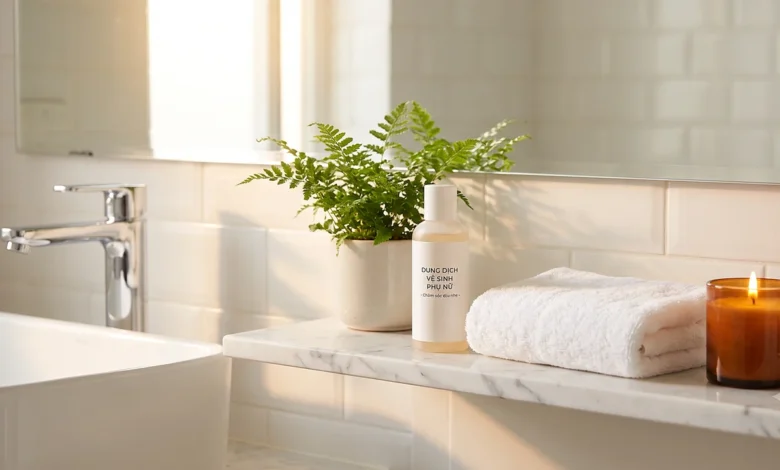
Regarding the external genital area, known as the vulva, the rules of hygiene differ slightly. The vulva is composed of skin and mucous membranes that are exposed to sweat, urine, and menstrual blood. Dr. Pham Thi Thuong notes that while the daily use of feminine hygiene solutions is permissible, it is by no means mandatory. For the majority of healthy women, washing the external area with clean, lukewarm water once a day is entirely sufficient to maintain hygiene and prevent infections.
However, if a woman chooses to use a hygiene solution, the selection of the product is paramount. Many standard body soaps have a pH level between 9 and 10, which is highly alkaline. Using such products on the vulva can strip the skin of its natural oils and disrupt the local pH balance. A suitable feminine wash should be:
- pH-Balanced: Ideally formulated to match the natural acidity of the intimate area.
- Mild and Soap-Free: Avoiding harsh surfactants like Sodium Lauryl Sulfate (SLS).
- Fragrance-Free: Synthetic fragrances are common allergens that can cause contact dermatitis or localized irritation.
Specific Scenarios Requiring Enhanced Care
While daily water-only washing is the baseline, there are specific physiological conditions where the use of a mild hygiene solution may be beneficial. These include:
Menstruation
During the menstrual cycle, the presence of blood can alter the local pH and provide a medium for bacterial growth. Using a gentle wash during this time can help manage odors and maintain comfort. However, the frequency should still be limited to avoid drying out the delicate tissues.
Post-Exercise
Physical activity leads to increased perspiration in the groin area. The combination of moisture and heat can create an environment conducive to fungal growth. Washing after heavy sweating is a recommended preventive measure.
Post-Coital Hygiene
After sexual intercourse, external washing is advised to remove biological fluids and reduce the risk of Urinary Tract Infections (UTIs). It is a well-established medical recommendation for women to urinate and wash externally after sex to flush out any bacteria that may have been pushed toward the urethra.
The Fallacy of Traditional and "Natural" Remedies
In many cultures, including Vietnam, traditional remedies for intimate health remain popular. These include washing with infusions of betel leaves, green tea, vinegar, or even diluted lemon juice. While these ingredients may possess mild antiseptic properties, their use is often unregulated and scientifically unproven for intimate care.
Dr. Thuong warns against the use of concentrated salt water or baking soda, which can severely dehydrate the mucous membranes and cause micro-tears. Similarly, the acidity of lemon or vinegar is often too high and inconsistent, leading to chemical burns or extreme irritation. Without standardized concentrations, these "natural" methods often do more harm than good, stripping the body of its natural defenses.
Proper Wiping and Physical Care Standards
Beyond the choice of cleaning agents, the physical method of hygiene plays a crucial role in preventing infection. One of the most vital principles taught in clinical health is the "front-to-back" wiping technique.
The proximity of the anus to the vaginal opening means that improper wiping after bowel movements can easily transfer E. coli and other intestinal bacteria into the vaginal and urinary tracts. This is a primary cause of recurrent UTIs and vaginal infections. Furthermore, the use of harsh scrubbing or rough towels can cause trauma to the sensitive skin of the vulva. The recommended approach is to pat the area dry with a soft, clean towel rather than rubbing.
The Role of Clothing in Preventive Health
Hygiene is not solely about washing; it is also about the environment created by clothing. The female reproductive system requires a breathable environment to prevent the buildup of heat and moisture.
- Fabric Choice: Cotton is the gold standard for underwear. Unlike synthetic fabrics like polyester or nylon, cotton allows for air circulation and absorbs moisture.
- Fit: Tight-fitting clothing, such as "skinny" jeans or synthetic leggings, can create a "greenhouse effect," trapping heat and promoting the growth of yeast.
- Frequency of Change: Underwear should be changed daily, or more frequently if it becomes damp from sweat or discharge.
Recognizing Pathological Symptoms
It is essential for women to distinguish between normal physiological changes and symptoms that require medical intervention. Normal vaginal discharge (leukorrhea) is typically clear to white, odorless, and its consistency changes depending on the phase of the menstrual cycle (becoming more fluid and stretchy during ovulation).
A consultation with an obstetrician-gynecologist is necessary if the following "red flag" symptoms appear:
- Color Changes: Discharge that is grey, green, or thick yellow.
- Texture Changes: Discharge resembling cottage cheese or containing foam.
- Odor: A strong, unpleasant, or fishy smell.
- Sensation: Persistent itching, burning during urination, or pain during intercourse.
- Bleeding: Any spotting or bleeding that occurs outside of the regular menstrual period or after intercourse.
Dr. Thuong emphasizes that women should avoid self-medicating with over-the-counter vaginal suppositories or antibiotics. Misdiagnosis can lead to chronic, treatment-resistant infections that significantly impact quality of life and long-term reproductive health.
Conclusion: A Philosophy of Minimal Intervention
The overarching principle of modern intimate care is "less is more." The human body has evolved a highly efficient system for maintaining the health of the reproductive tract. While the modern hygiene industry offers an array of scented and specialized products, they should be viewed as optional tools rather than necessities.
The most effective strategy for long-term health involves a combination of external washing with clean water or a pH-balanced solution, wearing breathable clothing, practicing correct wiping techniques, and, most importantly, respecting the body’s natural microbiome. By shifting the focus from "sterilizing" to "supporting" the vaginal environment, women can avoid the pitfalls of chemical irritation and maintain a robust natural defense against infection. Professional medical advice remains the most reliable resource; any deviation from a woman’s "normal" biological baseline should be addressed by a healthcare provider rather than a more aggressive cleaning routine.