Vietnam Electric Vehicle Market Surges as Tesla Enters and Global Giants Compete for Regional Dominance

The automotive landscape in Vietnam is undergoing a historic transformation, driven by an unprecedented influx of global electric vehicle (EV) manufacturers, heavy infrastructure investments, and aggressive government policies. Long dominated by traditional internal combustion engine (ICE) vehicles, the Southeast Asian nation has rapidly emerged as a critical battleground for electrification. The formal market entry of American EV pioneer Tesla, combined with a coordinated wave of expansion by major Chinese automotive groups and established European luxury brands, has redefined the competitive dynamics of the domestic transport sector. This convergence of international capital, evolving consumer preferences, and robust regulatory support is positioning Vietnam as one of the most dynamic and fast-growing EV markets in Southeast Asia.
A New Era of Competition Marked by Tesla’s Formal Arrival
The official registration and establishment of Tesla Motors Vietnam Co., Ltd. on September 11, marked a watershed moment for the domestic automotive industry. Headquartered at the Mê Linh Point Tower in Ho Chi Minh City with an initial charter capital of 77.667 billion VND (approximately 3 million USD), the American titan registered a comprehensive scope of business operations. These include wholesale, retail, import, and distribution of motor vehicles alongside related aftermarket services.
Industry analysts view this corporate milestone as the culmination of extensive legal groundwork and market research undertaken by Tesla to establish a direct corporate footprint. The subsidiary is reportedly laying the groundwork for an official distribution network, dedicated customer service facilities, and a long-term roadmap for deploying its proprietary Supercharger infrastructure across major metropolitan areas and national transit corridors.
Tesla’s entry does not happen in a vacuum; rather, it accelerates an already fierce competitive landscape populated by major global players. Over the preceding two years, Vietnam witnessed a substantial wave of market entries, primarily spearheaded by Chinese automotive conglomerates seeking to diversify their international footprints amidst domestic market saturation.
The Chronology of Electrification: From Market Probing to Full-Scale Influx
The transition toward electric mobility in Vietnam has progressed rapidly through distinct phases over the past several years, evolving from experimental market testing into widespread commercial adoption between 2024 and 2026.
The modern wave of EV diversification gained significant momentum in mid-2023 when SAIC Motor assumed direct stewardship of the MG brand, introducing several electrified models to local consumers. Shortly thereafter, joint venture TMT Motors launched the Wuling HongGuang Mini EV, targeting the ultra-affordable segment and testing consumer appetite for compact, low-cost urban electric transport.
The market escalated dramatically in mid-2024 with the official market entry of BYD, the world’s leading new energy vehicle manufacturer from China. BYD rapidly established a network of flagship dealerships across key urban centers, rolling out a diverse product portfolio spanning hatchbacks, sedans, and SUVs.
Concurrently, major Chinese manufacturing groups transitioned from mere export strategies to localized industrial integration. Chery Automobile introduced two distinct brands, Omoda and Jaecoo, and forged a strategic partnership with Vietnam’s Geleximco Group to construct a large-scale vehicle assembly plant originally planned for Thai Binh (now Hung Yen). Simultaneously, Geely, one of China’s largest private automotive groups, signed a joint venture agreement with Tasco to deploy an assembly project in Nam Dinh (now Ninh Binh). Major industry players such as GAC Group and Great Wall Motor (Havel) also accelerated their product introductions, offering a mix of hybrid and battery-electric options.
Beyond Asian manufacturers, traditional European luxury and mass-market brands including Mercedes-Benz, BMW, Audi, Porsche, Hyundai, and KIA have populated showrooms with advanced plug-in hybrids and battery-electric vehicles, satisfying consumer demand across all price brackets.
Macroeconomic Drivers and Empirical Data of Market Growth
The intense interest from international automotive conglomerates is underpinned by compelling macroeconomic fundamentals and explosive domestic sales data. According to reports from international research institutions such as BMI Research and BloombergNEF, Vietnam boasts one of the fastest rates of transition toward electric mobility in Southeast Asia, supported by a young, urbanizing population, rapid economic growth, and an expanding middle class.
Domestic consumption figures illustrate this acceleration. By the end of August, domestic pioneer VinFast achieved cumulative delivery figures exceeding 154,000 electric vehicles of various types. In August alone, the company delivered 20,161 vehicles, marking its 24th consecutive month maintaining the position of best-selling automotive brand in Vietnam. Market dominance was further reinforced as electric models occupied the top four positions on the national sales charts for August, led by high-demand nameplates such as the VF 3, VF 5, Limo Green, and VF 6.
Parallel to pure electric vehicles, the hybrid segment experienced a staggering 65% year-on-year growth rate, with nearly 14,000 units sold during the corresponding period. These figures reflect a fundamental shift in consumer sentiment away from internal combustion engines toward sustainable mobility solutions, driven by heightened environmental awareness and favorable total cost of ownership calculations.
Government Policy and the Network Effect
A critical catalyst for this market transformation has been the proactive regulatory stance adopted by the Vietnamese government. Recognizing the imperative to reduce carbon emissions in alignment with international climate commitments, authorities extended the 0% registration fee policy for battery-powered electric vehicles through the end of 2030.
For a vehicle valued at 1 billion VND, this policy saves consumers between 100 million and 120 million VND compared to the standard 10% to 12% registration fees levied on conventional ICE vehicles. Economists note that this substantial financial incentive directly influences purchase decisions rather than serving merely as a symbolic gesture.
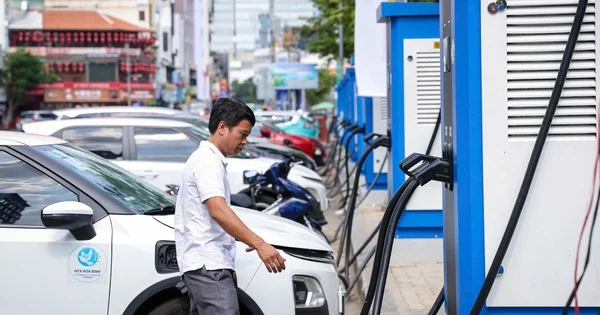
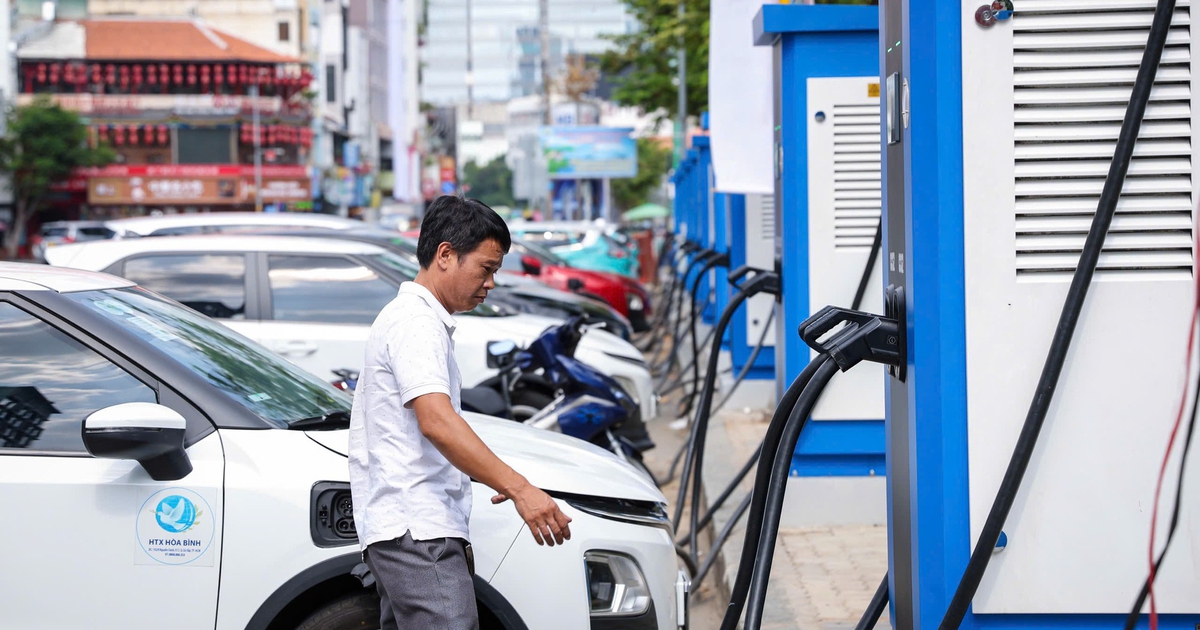
Furthermore, Vietnam benefits from a powerful network effect that distinguishes it from other emerging markets. The widespread deployment of charging infrastructure by domestic pioneers has mitigated range anxiety among potential buyers. As charging networks expand, consumer confidence increases, driving higher sales volumes, which in turn justifies further investments in manufacturing, assembly, and supply chain localization.
Strategic Implications and Challenges for Foreign and Domestic Brands
Despite the immense market potential characterized by a population of over 100 million and historically low vehicle ownership rates per capita, foreign brands face complex strategic hurdles. Economic experts emphasize that entering the Vietnamese market requires solving a difficult triad: competitive pricing, comprehensive charging infrastructure, and robust after-sales support.
Importing completely built-up vehicles often results in higher operational and retail costs, making it difficult to compete with localized manufacturers operating at scale. Conversely, relying entirely on foreign production without addressing local charging ecosystems limits long-term market penetration and leaves brands vulnerable to fluctuations in consumer sentiment and residual value concerns.
At the same time, policymakers face a delicate balancing act. While encouraging market competition lowers prices and expands consumer choice, over-reliance on imported vehicles risks turning Vietnam into a major consumption market without retaining core industrial value within the domestic economy.
Industry experts suggest that future regulatory frameworks should incorporate nuanced incentive structures. Policies could offer tiered support based on local value-chain integration, encouraging international automakers to engage in local research and development, train domestic engineers, procure components from local suppliers, and invest in regional manufacturing ecosystems.
As global giants like Tesla join established domestic and international competitors in shaping Vietnam’s automotive future, the country is transitioning from an emerging regional market into a sophisticated manufacturing and consumption hub. The outcome of this high-stakes competition will determine not only the commercial success of individual brands but also the technological trajectory of Southeast Asia’s green mobility revolution.