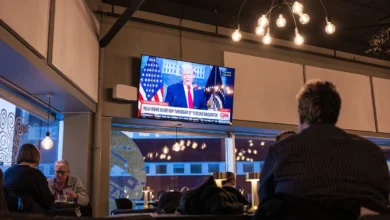
Tensions Escalate in the Middle East as Israel Prepares for Military Action Against Iran Amid Diplomatic Standoff

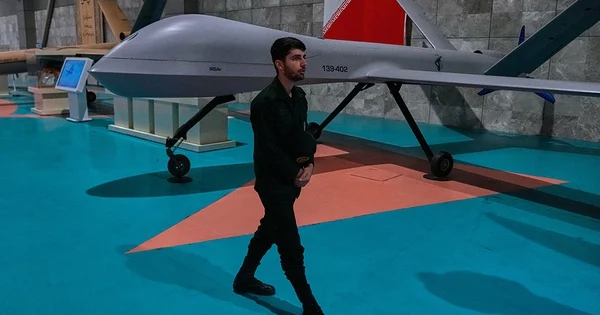
The geopolitical landscape of the Middle East is facing a period of extreme volatility as reports emerge that the Israeli security cabinet, under the directive of Prime Minister Benjamin Netanyahu, has authorized the military to accelerate preparations for potential strikes against Iran. This development follows a period of heightened friction between the two nations, marked by persistent warnings from Tehran regarding the expansion of its missile program and the potential for a regional conflagration.
The situation has been further complicated by internal political instability within Israel. Following a disappointing electoral performance in October, the ruling coalition led by Prime Minister Netanyahu has lost its parliamentary majority. Despite this, and amidst vocal opposition from figures such as former Chief of Staff Gadi Eisenkot—who has cautioned against unilateral military maneuvers without a stable government—Netanyahu remains committed to maintaining a hardline stance toward Iran’s nuclear and military ambitions.
A Chronology of Rising Tensions
The current escalation is not an isolated event but the culmination of years of intensifying rhetoric and proxy conflicts. The relationship between Israel and Iran has long been defined by a shadow war, involving cyberattacks, maritime sabotage, and covert operations. However, the recent shift toward overt military posturing marks a significant deviation from previous norms.
In early November 2026, international observers noted a marked increase in aerial reconnaissance activity and logistical movements within the Israel Defense Forces (IDF). By mid-November, the rhetoric from Tehran reached a fever pitch. Iranian officials, including Mohsen Rezaei, Secretary of the Expediency Discernment Council, warned that any renewed aggression from the United States or its allies would trigger a swift expansion of the conflict. Rezaei specifically threatened that Iranian retaliatory capabilities could extend far beyond the immediate Middle Eastern theater, potentially targeting U.S. military assets ranging from Western Europe to various points across Asia.
Simultaneously, the Iranian military has signaled that it has finalized its list of strategic targets. General Kioumars Heydari, Deputy Commander of the Iranian Armed Forces, confirmed that the nation’s military intelligence has updated its contingency plans for a full-scale kinetic engagement.
The Nuclear Dilemma and Military Capability
At the heart of the standoff is Iran’s continued development of its ballistic missile program. Despite international sanctions and diplomatic pressure, Tehran has consistently maintained that its defense capabilities are non-negotiable. Ahmad Vahidi, a leader within the Islamic Revolutionary Guard Corps (IRGC), has repeatedly stated that Iran will continue to advance its missile technology, disregarding warnings from Western powers and regional rivals.
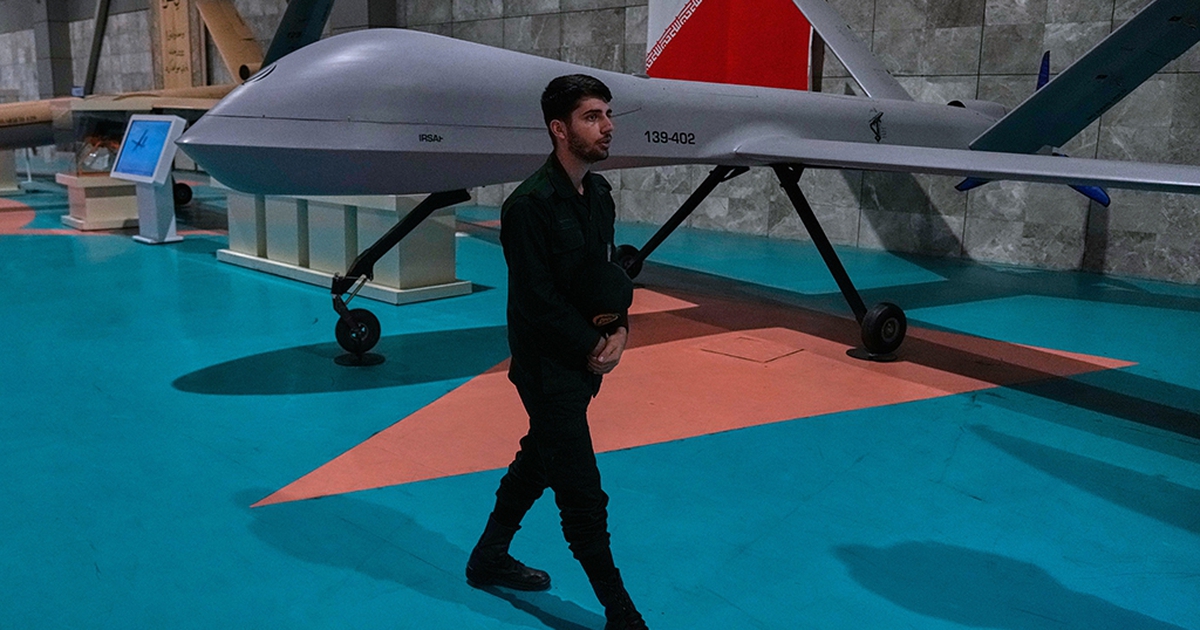
Data from independent military analysts suggests that Iran’s stockpile includes a sophisticated array of short-range and medium-range ballistic missiles, such as the Shahab and Ghadr series, as well as an increasing reliance on unmanned aerial vehicle (UAV) technology, including the Shahed-139. The strategic concern for Israel and the United States is that these assets could be used to overwhelm existing air defense systems, such as the Iron Dome or the Patriot missile batteries deployed throughout the region.
Diplomatic Hurdles and International Mediation
While military posturing dominates the headlines, a secondary, equally intense effort is being conducted through back-channel diplomacy. According to reports from Al Jazeera, Qatar has emerged as a primary mediator, attempting to bridge the deep divide between Washington and Tehran. The objective is to prevent a catastrophic regional war through a negotiated settlement that would curb Iranian military expansion in exchange for a reduction in economic isolation.
The position of the United States remains a critical variable. Reports suggest that U.S. leadership, including former President Donald Trump, has indicated a willingness to return to military-backed pressure if diplomatic channels—specifically those mediated by Qatar—fail to produce a tangible agreement. This "maximum pressure" approach aims to force Tehran back to the negotiating table by demonstrating a credible threat of kinetic action.
However, the efficacy of this strategy is debated. Critics argue that aggressive posturing only serves to empower hardliners within the Iranian government, such as Parliament Speaker Mohammad Bagher Ghalibaf, who has vowed to build a "deterrent force" should negotiations fail. Ghalibaf has also warned that the Strait of Hormuz—a vital global chokepoint for oil transport—will not remain status quo if the United States and Israel initiate hostilities, hinting at potential blockades or disruptions to maritime commerce.
Regional Impact and The Saudi Arabia Incident
The regional implications of this standoff were underscored by a recent incident involving Saudi Arabia. Reports confirmed that debris from two missiles, allegedly targeting Israeli interests, landed in the vicinity of Mecca. Saudi state media identified the locations of the debris as the village of Sabuhah, approximately 35 kilometers northeast of the holy city, and Wadi al-Maghmas.

While the source of the missiles remains a subject of investigation, the event has sent shockwaves through the region, highlighting the vulnerability of critical infrastructure and religious sites to the crossfire of a broader conflict. For Saudi Arabia, the incident serves as a stark reminder that even nations not directly involved in the Israel-Iran rivalry are susceptible to the collateral damage of a regional escalation.
Analytical Outlook: The Path Forward
The situation remains fluid, with three potential trajectories:
- De-escalation through Diplomacy: If the Qatari-led mediation succeeds in securing a "freeze" on missile testing or enrichment activities, the immediate risk of war could subside. This would require significant concessions from both Tehran and Washington, a tall order given the current domestic political climates.
- Strategic Stalemate: Both sides may continue to engage in "gray zone" activities—cyberattacks and covert sabotage—while avoiding a full-scale military conflict. This keeps the region in a state of perpetual anxiety without crossing the threshold into total war.
- Kinetic Conflict: Should either side perceive a critical "red line" has been crossed, a limited military strike remains a high probability. Such an event would likely involve precision missile strikes on industrial and military facilities, followed by inevitable retaliatory actions that would test the endurance of regional alliances.
The domestic political instability within Israel, characterized by the transition period between administrations, creates a unique security dilemma. Traditionally, military actions are vetted by a cohesive cabinet. With Prime Minister Netanyahu facing a challenge from Gadi Eisenkot and his supporters, the decision-making process is fraught with political friction. This instability could either lead to a more cautious approach as the government seeks to preserve its legitimacy, or, conversely, it could lead to an impulsive military action intended to rally domestic support and divert attention from political failures.
As the international community watches, the primary concern is the potential for miscalculation. History has shown that in regions where proxy wars are rampant and communication lines are strained, a minor incident—like a stray missile or a misidentified drone—can trigger a chain reaction that is difficult to contain.
The upcoming weeks will be decisive. Whether the Middle East descends into a cycle of destruction or finds a fragile path toward de-escalation depends on the willingness of all involved parties to prioritize long-term regional stability over short-term political gains. For now, the region remains on the edge, waiting to see if the current posturing will transition into action or if diplomacy will ultimately prevail in cooling one of the world’s most volatile hotspots.
Related posts: