Viettel Make in Viet Nam 5G Equipment Moves to Middle East Trials, Marking a Historic Milestone for Global Telecom Integration

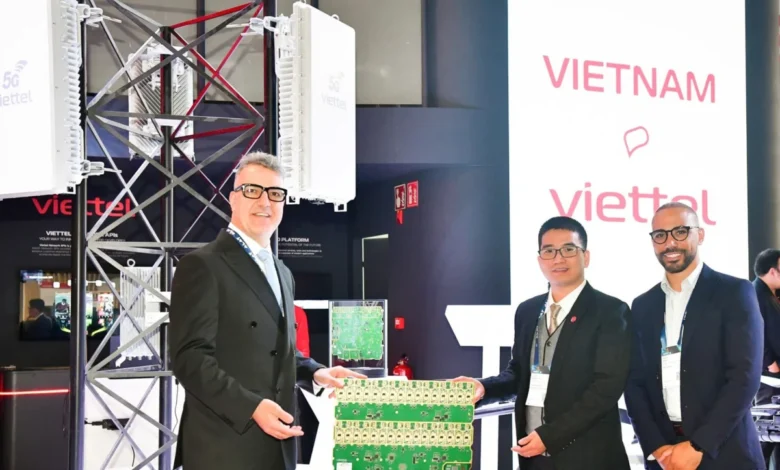
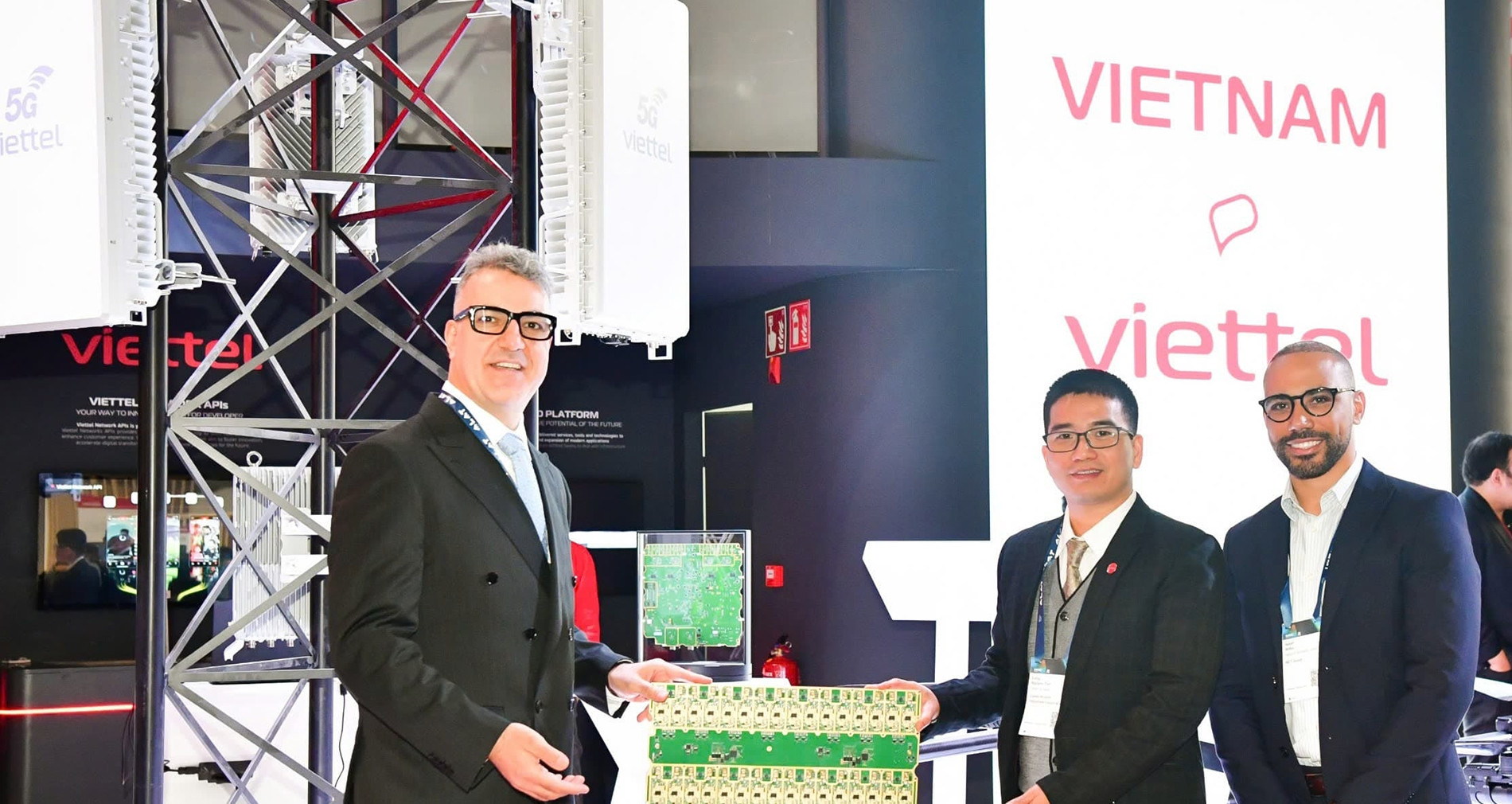
At the Mobile World Congress 2025 (MWC 2025), Viettel High Technology Industry Corporation, a core subsidiary of the Vietnamese military-backed conglomerate Viettel Group, announced a major strategic partnership with Emirates Integrated Telecommunications Company (Du), one of the leading telecommunications operators in the Middle East. Under the newly signed memorandum of understanding, the two companies will jointly test, deploy, and commercialize advanced 5G infrastructure solutions across the region. This landmark agreement not only underscores Viettel’s technological capabilities on the international stage but also firmly places Vietnam on the map as an emerging powerhouse in next-generation global telecommunications manufacturing and infrastructure development.
The initial phase of this cross-continental collaboration will focus on rigorous network trials spanning two major architectural configurations: public 5G OpenRAN networks and dedicated 5G private networks. By introducing these cutting-edge solutions to the Middle Eastern market, Viettel and Du aim to lay the foundational architecture required for revolutionary technological applications. These include large-scale smart city developments, immersive extended reality experiences incorporating virtual and augmented reality (VR/AR), and robust industrial Internet of Things (IoT) ecosystems. The partnership is widely regarded by industry analysts as a critical turning point that validates Vietnam’s long-term national strategy of mastering core digital technologies and reducing reliance on traditional Western and Asian telecom equipment vendors.
Strategic Significance of the Viettel-Du Partnership in the Middle East
The announcement at MWC 2025 generated significant positive feedback from industry leaders across international markets. Fahad Al Hassawi, Chief Executive Officer of Du, highlighted the strategic value of the collaboration during a post-signing briefing. He emphasized that the integration of private 5G and OpenRAN technologies will empower Du to construct a more resilient, agile, and future-proof telecommunications ecosystem.
According to Al Hassawi, this agile infrastructure will unlock unprecedented value for enterprise clients, government entities, and everyday consumers alike. The successful conclusion of the current trial phase is expected to clear the path for large-scale commercial deployments across the region, positioning Du as an early adopter of open, disaggregated network architectures that promote vendor neutrality and cost efficiency.
For Viettel, this venture into the Middle East represents the realization of a multi-year ambition to transition from a domestic service provider into a globally competitive technology manufacturer. Viettel stands in a rare, elite group of global telecom enterprises that simultaneously operate as nationwide service providers and dedicated research, development, and manufacturing houses for core network equipment. Out of nearly two hundred countries worldwide, Vietnam is currently one of only six nations possessing the domestic industrial capacity to independently design and manufacture end-to-end 5G network infrastructure.
Vietnam’s Drive Toward Technological Sovereignty and Self-Reliance
For over a decade, Viettel has pursued a deliberate, systematic strategy aimed at replacing imported foreign hardware with proprietary, domestically manufactured alternatives across its entire telecommunications infrastructure. The deployment of Make in Viet Nam 5G equipment is a cornerstone of this self-reliance policy. By mastering the hardware design, radio frequency engineering, and core software integration, Vietnam aims to secure complete technological autonomy, minimize exposure to geopolitical supply chain vulnerabilities, and significantly reduce foreign exchange outflows associated with equipment importation.
This strategic direction has received strong institutional backing from the Vietnamese government. At a recent National Forum on the Development of Digital Technology Enterprises, the Ministry of Information and Communications officially recognized several key products researched and manufactured by Viettel as national key information technology products. This distinguished group of recognized innovations includes 5G gNodeB radio access network stations, core network routing equipment, specialized transmission hardware, and proprietary high-performance processors and communication chips integrated within the 5G units.
Following this formal recognition, these domestically engineered items are slated to receive targeted state incentives and preferential regulatory policies designed to accelerate research, development, and commercial scaling. Prime Minister Pham Minh Chinh has repeatedly stressed that accelerating the commercialization of 5G infrastructure is a central task and a critical catalyst for driving national economic growth. During recent policy planning sessions, the government underscored that mastering 5G technology will help Vietnam achieve its ambitious macroeconomic development targets, supporting the broader objective of establishing a digital economy that contributes substantially to national gross domestic product.
Global Economic Impact of 5G and Domestic Market Momentum
The strategic push toward 5G infrastructure development aligns seamlessly with global economic projections. According to comprehensive reports published by the Global System for Mobile Communications Association (GSMA), 5G technology is projected to inject more than $930 billion into the global economy by the year 2030. This massive economic value is expected to be distributed across several high-impact vertical industries, led heavily by industrial manufacturing, which accounts for an estimated 36% of total projected gains. Other major beneficiaries include public administration at 15%, general services at 10%, information technology and communications at 9%, and financial services at 8%.
Domestically, Vietnam is witnessing rapid acceleration in both 5G infrastructure rollout and subscriber adoption. As of January 2025, Viettel reported a total subscriber base of approximately 5.5 million active 5G users. Concurrently, VNPT, another state-owned telecommunications giant, announced that its 5G coverage has successfully reached the central districts of all 63 provinces and municipalities, encompassing major international airports, economic zones, and high-density industrial parks, serving roughly 3 million users. Meanwhile, MobiFone has initiated targeted commercial trials, providing high-speed connectivity to select customer segments ahead of its broader national rollout.
Data usage metrics from early commercial deployments indicate a profound shift in consumer digital consumption habits. During the first two months of widespread availability, the average Viettel 5G subscriber consumed approximately 21 gigabytes of mobile data per month—representing a 1.7-fold increase compared to the initial introductory phase of the service. Industry experts anticipate that data consumption rates will continue to surge throughout 2025 as advanced data-heavy applications, high-definition streaming, and enterprise automation solutions become mainstream.

Regulatory Incentives and Accelerated Infrastructure Targets
To capitalize on the transformative potential of next-generation connectivity, the Vietnamese National Assembly adopted landmark legislative measures, including resolutions piloting special policies and mechanisms designed to spur scientific research, technological innovation, and digital transformation. Notably, the government has allocated substantial state budget resources to directly support telecommunications enterprises in accelerating the deployment of nationwide 5G infrastructure.
Under the framework of these specialized state support policies, telecommunications enterprises that aggressively expand their physical networks to reach a milestone of at least 20,000 operational 5G base stations by December 31, 2025, will be eligible for direct financial subsidies covering up to 15% of total equipment procurement costs. This targeted fiscal intervention is designed to remove capital expenditure bottlenecks, encouraging operators to frontload investments and achieve near-universal population coverage in record time.
The positive ripple effects of these aggressive infrastructure investments are already registering on international performance metrics. According to the Speedtest Global Index published by Ookla, Vietnam recently climbed 15 positions in global rankings for mobile internet speeds, reflecting substantial improvements in network capacity, backhaul transmission efficiency, and spectrum allocation.
By combining domestic regulatory support, aggressive national infrastructure rollouts, and historic international technological exports like the Viettel-Du partnership in the Middle East, Vietnam is successfully transitioning from a technology consumer into a prominent global contributor to the future of telecommunications.