Dòng chảy công nghệ hai chiều Việt – Nhật: Kỷ nguyên hợp tác mới trong R&D và chuỗi giá trị bán dẫn

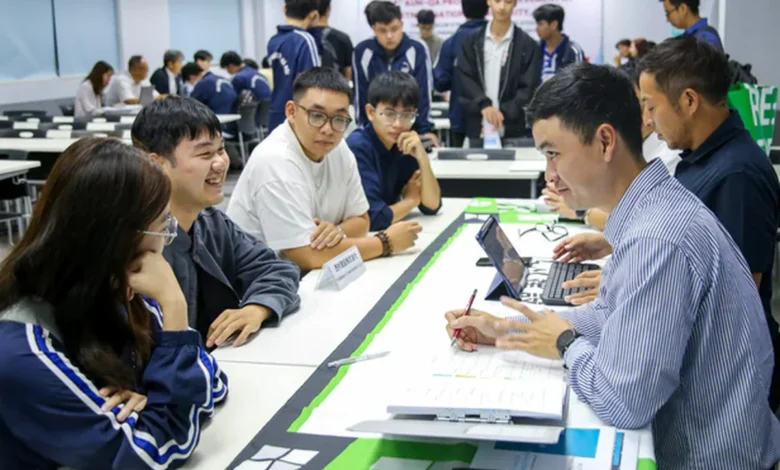
The landscape of bilateral cooperation between Vietnam and Japan is undergoing a profound structural transformation, shifting steadily from a traditional donor-recipient paradigm to an equal partnership built on co-creation, research and development (R&D), and joint problem-solving. This evolution in science, technology, and economic integration comes into sharp focus against the backdrop of high-level diplomatic engagements, most notably the official visit to Japan by General Secretary and State President Tô Lâm in late 2026. As Vietnamese technological enterprises begin designing and exporting commercial semiconductor chips to advanced markets like Japan, and as joint research frameworks yield tangible breakthroughs, the technological currents that once flowed unilaterally from Tokyo to Hanoi are now moving dynamically in both directions.
From ODA Recipient to Technological Co-Creator
For decades following the normalization and deepening of diplomatic ties, the framework of Vietnam-Japan cooperation was defined by Official Development Assistance (ODA), technology transfer, management know-how, and capacity building provided by Japan. During this foundational period, Vietnam primarily absorbed foreign technology to develop its physical infrastructure and enhance local manufacturing capacity. This model played an indispensable role in modernizing Vietnam’s industrial base, establishing a reliable bedrock of industrial cooperation that remains vital today.
However, the contemporary geopolitical and economic climate demands a more sophisticated approach. The modern bilateral agenda transcends mere transfer and absorption; it now encompasses joint research, product development, and mutual value creation. Both nations are no longer locked into a rigid buyer-supplier dynamic. Instead, they are evolving into strategic allies capable of tackling complex technological bottlenecks together. This shift reflects a maturing industrial ecosystem in Vietnam, supported by a highly skilled workforce, supportive government policies, and an increasingly sophisticated private sector eager to integrate deeply into global value chains.
Institutional Frameworks and Bilateral Research Initiatives
A primary driver of this two-way technological flow is the institutional commitment fostered by both governments through targeted science and technology programs. A prominent example is the NEXUS program, spearheaded by the Japan Science and Technology Agency (JST). In the semiconductor sector, this initiative successfully selected 5 out of 17 submitted proposals for rigorous implementation over a 42-month timeline.
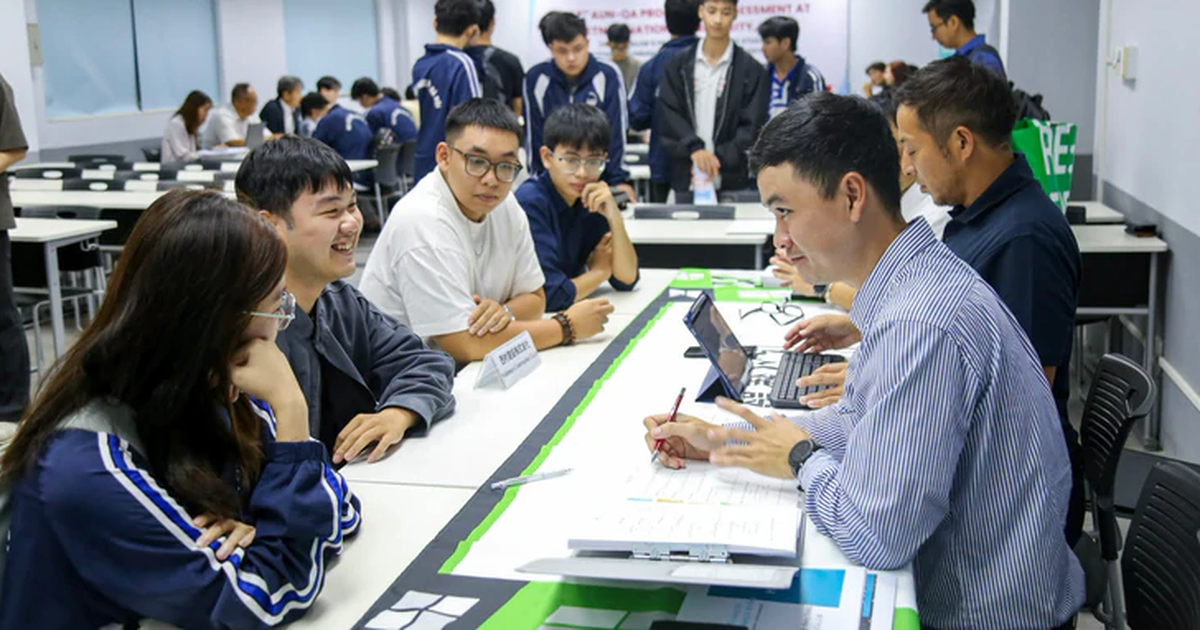
Under one critical project focusing on network technologies for energy devices and sensors, Japanese research teams developed flexible heating molds and chemical sensors, while Vietnamese counterparts took the lead in researching high-stability perovskite solar cells and microfluidic chemical sensor chips. Another collaborative venture combined Vietnam’s graphene oxide manufacturing techniques with Japan’s advanced device fabrication capabilities, allowing Vietnamese researchers to move beyond passive technology adoption and directly co-authoring core technological solutions.
Building upon these milestones, JST and Vietnam’s National Foundation for Science and Technology Development (NAFOSTED) signed a landmark co-funding agreement in October 2026. This financial framework lays the groundwork for sustained bilateral research, with strategic plans to expand cooperation into artificial intelligence (AI) and quantum technology. Furthermore, proposals to establish a Mini Fab Lab at the Vietnam-Japan University—operating under the Vietnam National University, Hanoi—open up crucial pathways for localized infrastructure development, hands-on experimentation, and rapid prototyping.
Expanding Frontiers: Artificial Intelligence, Space Tech, and Green Energy
The scope of bilateral technological collaboration has widened significantly across several cutting-edge domains. In artificial intelligence, both nations are actively promoting the development of machine learning models tailored to the Vietnamese language and cultural context. Initiatives include large language model (LLM) research, AI governance frameworks, data sharing protocols, workforce training, and the advancement of digital infrastructure such as 5G networks, Open RAN (Open Radio Access Network), and advanced data centers.
Simultaneously, space technology cooperation—built upon the foundational success of the LOTUSat-1 Earth observation satellite—is expanding into advanced remote sensing data exploitation and AI-driven spatial analytics. This confluence of space technology and machine learning enables both countries to tackle pressing environmental challenges, optimize agricultural yields, and improve disaster response management through precision data analytics.
Market Validation: Vietnamese Chips and Medical Tech in Japan
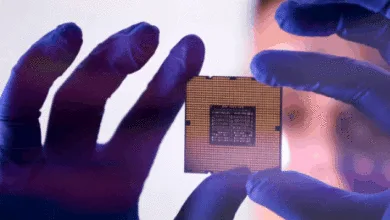
The two-way technological exchange is vividly manifested in commercial markets, where Vietnamese-designed hardware and software are successfully penetrating Japan’s notoriously rigorous quality and reliability standards. In late 2025, technology conglomerate FPT successfully exported its first commercial batch of Power Management Integrated Circuits (PMICs) to Japan via distributor Restar, tailored specifically for multi-function printers. Restar has since established an ambitious target to distribute 10 million FPT-developed chips across the Asia-Pacific region over a three-year period. While this initial commercial volume represents just a fraction of the global semiconductor market, it unequivocally proves that Vietnamese enterprises can successfully engineer and deploy proprietary silicon products into mainstream Japanese supply chains.
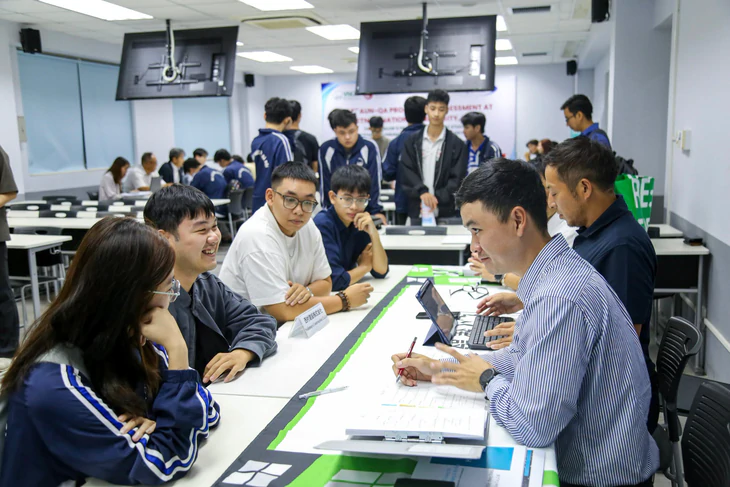
Medical technology represents another burgeoning frontier of bilateral synergy. Konica Minolta, Vietnam’s National Innovation Center (NIC), and FPT have joined forces to research and integrate advanced X-ray imaging technologies with artificial intelligence diagnostic tools. By September 2026, this collaborative project was officially selected for support under a specialized program by Japan’s Ministry of Economy, Trade, and Industry (METI), with the ultimate objective of deploying advanced AI-powered diagnostic platforms across medical facilities in Vietnam.
At the startup level, the entrepreneurial momentum is similarly robust. At least five Vietnamese technology start-ups signed formal memorandums of understanding or commercial contracts with Japanese partners over the course of 2026, delivering specialized solutions in artificial intelligence, the Internet of Things (IoT), and advanced manufacturing.
The Role of Intellectual Capital and Technologists Abroad
A powerful catalyst accelerating this bilateral momentum is the burgeoning community of Vietnamese scholars, engineers, and tech entrepreneurs residing in Japan. Alongside large multinational corporations, an increasing number of specialized technology firms and start-ups are being founded or led by overseas Vietnamese professionals.
Organizations such as the Vietnam Association for Digital Transformation in Japan (VADX Japan), which gathered approximately 30 enterprises in early 2025, and the recurring Vietnam-Japan AI Hackathon, have created vibrant ecosystems for cross-border innovation. These networks serve as vital human bridges, seamlessly connecting academic research groups, venture capitalists, and enterprise markets in both nations. The boundless enthusiasm and technical ingenuity demonstrated by young Vietnamese technologists in Japan underscore the transformative potential of diaspora networks in driving bilateral economic and technological integration.
Overcoming Structural Bottlenecks in R&D
Despite these encouraging milestones, early success does not automatically translate into a fully realized, friction-free technological transformation. Domestic R&D capacity remains a fundamental bottleneck that requires systematic policy intervention. According to data from the Organisation for Economic Co-operation and Development (OECD), Vietnam’s expenditure on research and development hovered at approximately 0.4% of GDP as of 2021.

A substantial gap continues to separate academic research from commercial product realization. Furthermore, domestic enterprises are frequently brought into the innovation cycle too late, often missing out on the initial phases of agenda-setting and project conceptualization. Intellectual property rights, technology commercialization frameworks, and equitable benefit-sharing mechanisms must be explicitly codified from the outset of any bilateral initiative. True co-creation is impossible if one party generates vital foundational knowledge without retaining the legal or structural capacity to participate in its subsequent development, scale-up, and monetization.
To transition effectively from pioneering pilot projects to deeply integrated, long-term collaborative models, both governments must expand joint-funding mechanisms and co-identify technological problems of mutual strategic interest. Frameworks like NEXUS and the JST-NAFOSTED agreement should serve as blueprints for expanded, multi-year programs characterized by the substantive participation of research institutes, universities, and private enterprises. Physical infrastructure such as the proposed Mini Fab Lab must remain tightly aligned with the commercial research and manufacturing requirements of industry partners to ensure operational longevity and relevance.
Conclusion: Human Capital as the Ultimate Decisive Factor
After decades of fruitful partnership, Japan’s enduring contributions to Vietnam are physically embodied in the factories, industrial plants, technological infrastructure, and manufacturing capabilities forged through bilateral cooperation. In this new era, human capital will increasingly serve as the ultimate decisive factor in determining future success.
The benchmark for bilateral achievement is expanding beyond simple metrics of technology adoption to measure how effectively both nations can co-create novel technologies, products, and economic value. The foundation for this paradigm shift rests not merely in funding allocations, laboratory spaces, or diplomatic agreements, but in empowered individuals capable of bridging knowledge creation with enterprise execution and market demands. By granting talented researchers, engineers, and entrepreneurs a substantive stake in the collaborative process, Vietnam and Japan are well-positioned to cement an enduring partnership that drives technological advancement and shared prosperity across regional and global supply chains.
Related posts: