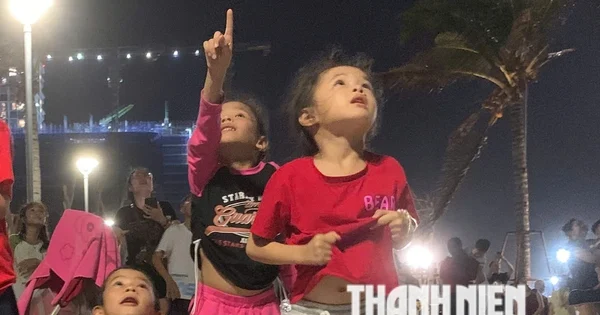
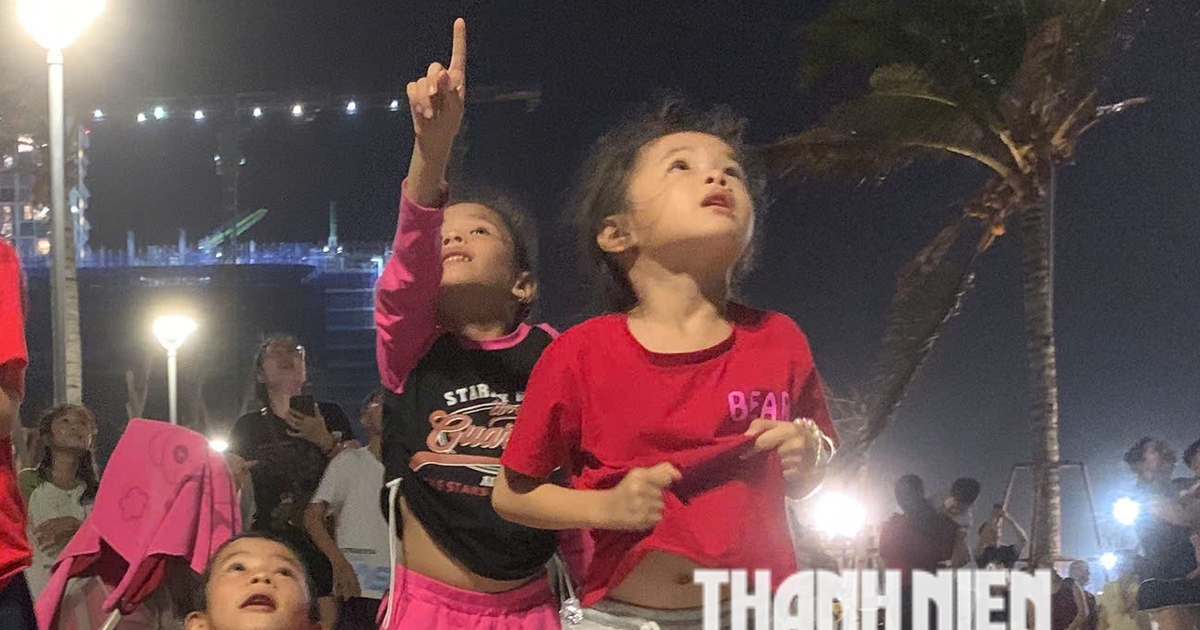
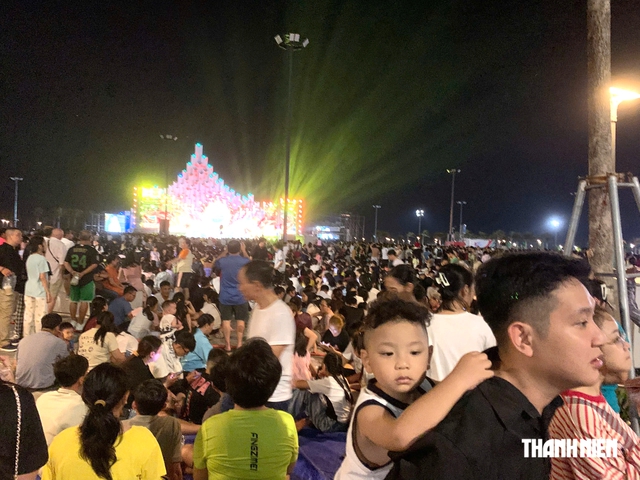
The coastal city of Vung Tau witnessed a surge of visitors on November 24, as thousands of residents and tourists gathered around the iconic Tam Thang Tower at Back Beach (Bai Sau) to secure prime viewing spots for a spectacular fireworks display commemorating Vietnamese Cultural Heritage Day. The event, which serves as both a cultural celebration and a major draw for domestic tourism, transformed the local waterfront into a bustling hub of activity hours before the first pyrotechnics were scheduled to illuminate the night sky.
A Prelude to the Spectacle
As early as 3:00 PM, the atmosphere surrounding the Tam Thang Tower began to shift. While the formal display was not set to commence until later in the evening, the anticipation was palpable. By 7:00 PM, the primary thoroughfares leading to the Back Beach area were significantly congested, as visitors navigated the influx of vehicles to reach the designated spectator zones near the plaza.
For many families, the decision to arrive early was a strategic move to avoid the logistical bottlenecks often associated with large-scale public events. Local authorities and traffic management teams were on high alert, working to ensure the safety and accessibility of the area, as the city prepared to host an influx of visitors, many of whom traveled from neighboring Ho Chi Minh City and the surrounding Ba Ria-Vung Tau province.
Strategic Planning and Tourist Behavior
The logistics of the evening were defined by a clear trend: a preference for preemptive positioning. Interviews with attendees revealed a recurring narrative regarding the efficiency of travel and the desire for a stress-free experience. Mr. Nghia, a resident of Tan Dinh Ward in Ho Chi Minh City, noted that his family arrived at the site by mid-afternoon.
"We chose Vung Tau specifically because the traffic flow is generally more manageable compared to the urban core of Ho Chi Minh City," Mr. Nghia explained. "In previous years, attempting to view fireworks in the city center often resulted in being trapped in gridlock, effectively ruining the viewing experience. By choosing to travel here, we turned the event into a full day of family leisure."
This sentiment was echoed by other visitors, particularly those from nearby areas like Ba Ria, where local residents noted the lack of a similar municipal fireworks display in their immediate vicinity, prompting them to head to the coast. The convenience of the newly improved Bien Hoa – Vung Tau highway has significantly reduced travel times, making such cross-city excursions a viable and increasingly popular option for weekend travelers.
Technical Specifications of the Display
The scale of the celebration was meticulously planned by local organizers to ensure a high-impact experience for all in attendance. The display featured a carefully curated inventory of pyrotechnics designed to maximize visual variety. According to event organizers, the program included 420 high-altitude shells and 80 low-altitude shells, supplemented by a series of low-altitude firing racks.
This mix of artillery was intended to create a multi-layered visual effect, filling the night sky above the South China Sea with synchronized bursts of color. The choice of the Tam Thang Tower as the focal point provided an architectural backdrop that enhanced the aesthetic appeal of the performance, anchoring the display within the city’s landmark geography.
The Significance of Vietnamese Cultural Heritage Day
The fireworks display is a cornerstone of the broader celebrations for Vietnamese Cultural Heritage Day. This day, observed annually, serves as a poignant reminder of the nation’s deep-rooted traditions, artistic achievements, and the importance of preserving historical identity in a rapidly modernizing society.
By integrating public art performances and communal events like the Vung Tau fireworks, the government aims to foster a sense of national pride and unity. Beyond the entertainment value, these events play a critical role in local economic development. The influx of tourists translates into increased revenue for local hospitality sectors, including hotels, restaurants, and retail establishments, which often see their busiest weekend of the quarter during such celebrations.
Economic and Infrastructure Implications
The ease with which visitors accessed the event site is a testament to recent infrastructure investments in the region. The completion of major road projects connecting the Southern Key Economic Zone to the coast has not only facilitated trade but has also unlocked the tourism potential of cities like Vung Tau.
However, the concentration of thousands of people in a localized area presents ongoing challenges for urban planners. The "Back Beach" area, a known hotspot for tourism, requires sophisticated crowd management protocols. The success of this year’s event suggests that while infrastructure has improved, the coordination between local law enforcement, emergency services, and transportation departments remains the backbone of a successful event.
Safety and Community Cooperation
Security personnel and local volunteers were deployed throughout the plaza to ensure that the event remained orderly. Despite the massive crowds, the evening proceeded without major incidents. The collaboration between the public and municipal authorities was a defining feature of the night; attendees were generally cooperative, adhering to designated zones and following the guidance of the security teams.
The event also served as a case study for future municipal gatherings. By promoting "early arrival" and providing clear communication regarding transport routes, the city was able to maintain a level of order that is often difficult to achieve in larger metropolitan centers.
Broader Context: Tourism and Public Events
The success of the November 24 event in Vung Tau highlights the evolving nature of domestic tourism in Vietnam. As the middle class continues to grow, there is a clear shift in preference toward "event-based tourism," where visitors plan their trips around specific cultural or commemorative milestones.
For Vung Tau, the challenge will be to sustain this momentum. While the fireworks are a powerful draw, the city is also looking at long-term strategies to improve its cultural infrastructure, ensuring that it remains a year-round destination rather than one that relies solely on major holiday events. The integration of modern, safe, and highly visual public displays is a key component of this strategy, aligning the city with global standards for urban event management.
Conclusion: A Night to Remember
As the final pyrotechnics faded into the darkness, the crowd began a systematic and orderly exit, with traffic management teams effectively channeling the surge of vehicles away from the beach. For the thousands who made the journey, the event was a success—a harmonious blend of technological spectacle and cultural celebration.
As the morning of November 25 dawned, the city returned to its routine, but the success of the previous night left an indelible mark on the local tourism calendar. It underscored the vitality of the region, the effectiveness of recent infrastructure projects, and the enduring importance of cultural heritage as a catalyst for community engagement and economic growth. The event at Tam Thang Tower will likely serve as a benchmark for future municipal celebrations in the province, proving that with careful planning and robust infrastructure, even the largest gatherings can be managed with efficiency and grace.