Why Samsung is Embracing the 4:3 or 3:4 Aspect Ratio for the Galaxy Z Fold 8 Display


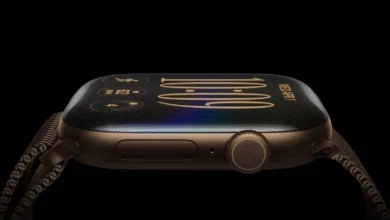
Recent industry whispers suggest Apple is poised to introduce a foldable iPhone with a 4:3 display aspect ratio, which can be rotated to a 3:4 orientation. This development is not unprecedented in the tech landscape, as Samsung has a history of preempting Apple’s product launches. A notable instance was the Galaxy Gear smartwatch, which debuted shortly after rumors of an Apple smartwatch began circulating, even though specific design details for Apple’s offering were scarce at the time. Samsung’s strategy appeared to be one of rapid market entry, aiming to establish a presence before a direct competitor could solidify its own.
More recently, as speculation surrounding an ultra-thin "iPhone Air" gained traction, Samsung swiftly responded with the Galaxy S25 Edge, featuring a similarly slim design. This trend of rapid response is not confined to Samsung; other Android manufacturers have also engaged in similar practices. For example, Huawei was reportedly developing a foldable Mate 70 Air with a 4:3 aspect ratio, mirroring the leaked information about Apple’s plans. However, Huawei’s execution reportedly lagged behind Samsung’s. While rumors about the Huawei Mate 70 Air were extensive, with detailed imagery, the actual product, when it materialized, was described as being as large as an iPhone Pro Max, suggesting that the envisioned portability was not fully realized. This pattern highlights a recurring theme: the technological race between major players, where leaks and rumors often precede actual product releases, prompting swift counter-moves.
The Rationale Behind Apple’s Potential 4:3 Foldable iPhone Display
The underlying reason for Apple’s potential adoption of a 4:3 aspect ratio for its foldable iPhone appears to stem from its existing ecosystem and design language, particularly the iPad. Apple has accumulated over a decade of experience and a vast library of applications designed for the 4:3 aspect ratio, originally popularized by the iPad. This existing foundation suggests that a foldable iPhone adopting this ratio would seamlessly integrate with the vast ecosystem of iPad-optimized apps. This strategic decision could significantly streamline the user experience, allowing for immediate compatibility and a familiar interface for users already invested in the Apple tablet ecosystem. Such a move would mitigate the common challenge faced by foldable devices: the need for app developers to significantly adapt their software for new screen dimensions and form factors. By leveraging the well-established 4:3 ratio, Apple could potentially avoid a steep learning curve for both users and developers.
Key Differences: 4:3 Aspect Ratio on Android, iPhone, and iPad Devices
The crucial distinction in this evolving landscape lies in Apple’s existing, mature ecosystem for the 4:3 aspect ratio. While Android foldable phones have emerged over the past few years, most have not yet fully optimized their software and hardware for this particular ratio. Many foldable Android devices, despite their recent introductions, still rely on app designs that primarily cater to elongated smartphone screens, often presenting as simple, unoptimized bars of content. Even widely used applications like Facebook have not yet fully embraced the potential of square-like displays, as seen on current foldable devices or the emerging 4:3 phones. This lack of widespread optimization on the Android side presents a significant hurdle for a consistent and immersive user experience across different apps and form factors. Apple’s pre-existing investment in 4:3 app development for the iPad provides a substantial advantage, suggesting a smoother transition and a more polished user experience from day one.
The Future of 4:3 Aspect Ratio Displays on Android and the iPad’s Influence
The question of whether Android devices can effectively adopt the 4:3 aspect ratio, mirroring the success of the iPad, remains to be seen. It is not yet clear whether developers will be able to seamlessly transition their applications to this format within the Android ecosystem. If such a transition is successful, it would be a significant boon for Android users. Those who embrace the 4:3 aspect ratio on their foldable devices could benefit from an enhanced user experience, potentially enjoying a more intuitive and adaptable interface, similar to the advantages offered by the iPad. This could lead to a more versatile and productive mobile computing experience. However, if the demand for 4:3 displays on Android is not met with robust developer support or innovative new applications, the adoption of this format might prove to be a more challenging endeavor. The success of the 4:3 ratio on Android hinges on the willingness and ability of app developers to create content that fully capitalizes on the unique screen real estate it offers, moving beyond simple adaptations of existing smartphone interfaces.
The Strategic Significance of Aspect Ratio in the Foldable Market
The increasing discussion around the 4:3 aspect ratio for foldable devices, particularly with potential entries from Apple and responses from Samsung and Huawei, underscores a critical strategic consideration in the burgeoning foldable smartphone market. This aspect ratio, long associated with productivity and content consumption on devices like the iPad, offers a different user experience compared to the elongated displays that have dominated the smartphone market for years.
Background and Historical Context:
The 4:3 aspect ratio was a standard for television and computer monitors for decades before widescreen formats became prevalent. Its return in the tablet space, championed by Apple’s iPad, was a deliberate choice aimed at providing a more "book-like" or "magazine-like" viewing experience, which proved highly effective for reading, browsing, and a wide range of applications. This familiarity is a significant factor in why Apple might be considering it for a foldable device.
For foldable phones, the challenge has always been finding the optimal balance between a compact smartphone form factor and a larger, more expansive tablet-like display. Early foldables often adopted a more elongated, narrower external screen and a wider internal display, leading to app scaling issues and a sometimes awkward user experience. The 4:3 ratio, or its rotated 3:4 variant, offers a more squarish canvas that can be more conducive to multitasking, content creation, and viewing content without excessive letterboxing or stretching.
Samsung’s Proactive Stance:
Samsung, as the pioneer in the foldable smartphone market with its Galaxy Z Fold series, has consistently iterated on its designs. While the Z Fold series has largely maintained a more traditional elongated aspect ratio for its internal display, the company has also explored various form factors and screen technologies. The anticipation of Apple entering the foldable space with a potentially different approach likely spurs Samsung to continuously innovate and explore new possibilities. Their past actions, such as the rapid release of the Galaxy Gear in response to Apple Watch rumors, demonstrate a pattern of market observation and swift product development to maintain a competitive edge. The potential adoption of a 4:3 or 3:4 aspect ratio by Samsung on future devices, such as the rumored Galaxy Z Fold 8, would indicate a direct response to Apple’s perceived strategy or an independent exploration of what is perceived as a viable market segment.
The Huawei Example and Development Challenges:
The mention of Huawei’s Mate 70 Air highlights that the pursuit of specific aspect ratios is not exclusive to Samsung and Apple. However, the commentary on its execution – being "as large as an iPhone Pro Max" – suggests that simply adopting an aspect ratio does not guarantee a successful product. The engineering challenges of creating a foldable device that is both functional and aesthetically pleasing, while also accommodating a specific aspect ratio and maintaining a desirable thickness, are immense. The "out of date" nature of the Huawei device, as implied, could refer to a design that feels less refined or less innovative compared to competitors, even if it adopts a trending aspect ratio.
Implications for App Development and User Experience:
The most significant implication of a widespread shift towards a 4:3 aspect ratio in foldable devices lies in app development. For years, app developers have optimized their creations for the standard 16:9 or 18:9 smartphone displays. Transitioning to a 4:3 or 3:4 aspect ratio requires a fundamental rethinking of user interface layouts, content presentation, and multitasking capabilities.
- Productivity and Multitasking: A more square-like display is inherently better suited for split-screen multitasking. Users can view and interact with two apps side-by-side more comfortably, with each app receiving a more substantial portion of the screen real estate. This could significantly enhance productivity for users who rely on their devices for work or complex tasks.
- Content Consumption: While widescreen formats are often preferred for watching movies, a 4:3 aspect ratio can be ideal for reading articles, browsing websites, viewing photos, and engaging with social media feeds. The reduced scrolling and more balanced layout can offer a more immersive and less fatiguing experience.
- Gaming: The impact on mobile gaming is varied. Some games might benefit from the wider view, while others might require significant adaptation to avoid awkward layouts or distorted graphics.
- Developer Adaptation: The success of any foldable device, regardless of its aspect ratio, hinges on the willingness of developers to create optimized experiences. If Apple, Samsung, and others push for 4:3, it will necessitate a substantial effort from the developer community to adapt their applications. This could lead to a period of inconsistency where some apps are perfectly optimized, while others remain rudimentary or poorly scaled.
Data and Market Trends:
While specific sales figures for foldable devices are still a fraction of the overall smartphone market, growth has been significant. Reports from market research firms like Counterpoint Research and IDC indicate a steady increase in foldable shipments year-over-year. For instance, IDC projected the global foldable smartphone market to grow from approximately 11.5 million units in 2022 to over 27.6 million units by 2026. This growth suggests a widening consumer interest in novel form factors.
The aspect ratio discussion is a micro-trend within this larger growth narrative. If Apple, with its massive user base and influence, adopts a 4:3 ratio, it could very well dictate a new standard for foldable devices, much like its past influence on smartphone design. Samsung, having already established itself as a leader in foldables, would likely either embrace this trend or develop a compelling counter-argument with its own unique design philosophy.
Conclusion:
The emergence of the 4:3 aspect ratio in the context of foldable smartphones, spearheaded by rumors surrounding Apple and anticipated responses from Samsung and others, signifies a maturing market grappling with the optimal form factor and user experience. It represents a strategic divergence from the dominant elongated smartphone displays, aiming to leverage the productivity and content consumption advantages historically associated with devices like the iPad. The success of this shift will ultimately depend on the ability of manufacturers to execute technically, and crucially, on the willingness of app developers to embrace and optimize for this new visual paradigm. The coming years will undoubtedly reveal whether the 4:3 aspect ratio becomes a defining characteristic of the next generation of foldable devices, reshaping how we interact with our mobile technology.