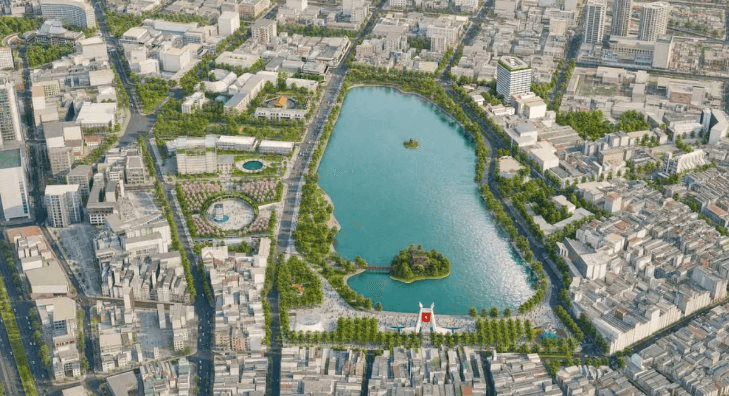
The spatial planning of the Hoan Kiem Lake area is being positioned as a cornerstone of Hanoi’s comprehensive urban development strategy, carrying a vision that spans the next century and beyond. As the capital of Vietnam undergoes rapid modernization, the management and architectural preservation of this historic core have become subjects of intense public interest and rigorous professional scrutiny. The current planning initiative seeks to harmonize the area’s profound historical legacy with the functional requirements of a contemporary, high-density metropolis.
The Historical and Cultural Significance of Hoan Kiem Lake
Hoan Kiem Lake is not merely a geographic landmark; it is the spiritual and cultural nexus of Hanoi. For centuries, the lake and its surrounding district have served as a witness to the city’s evolution, from the feudal era to the colonial period and the modern socialist republic. The area is defined by a unique layering of architecture—ranging from ancient religious shrines and pagodas to French colonial structures and modernist edifices from the post-war period.
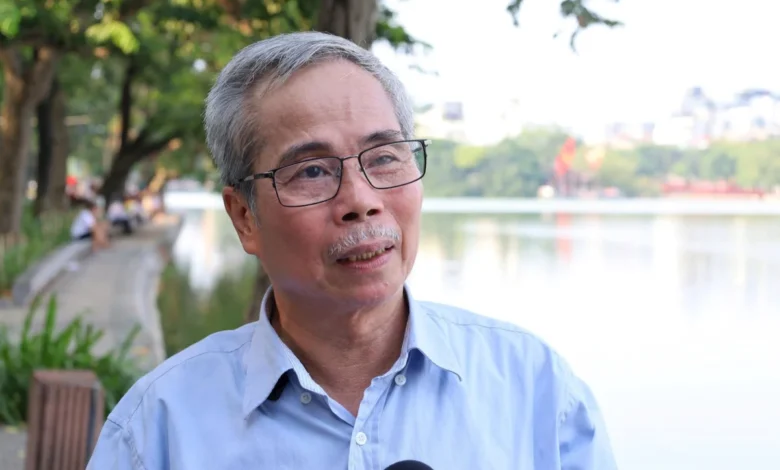
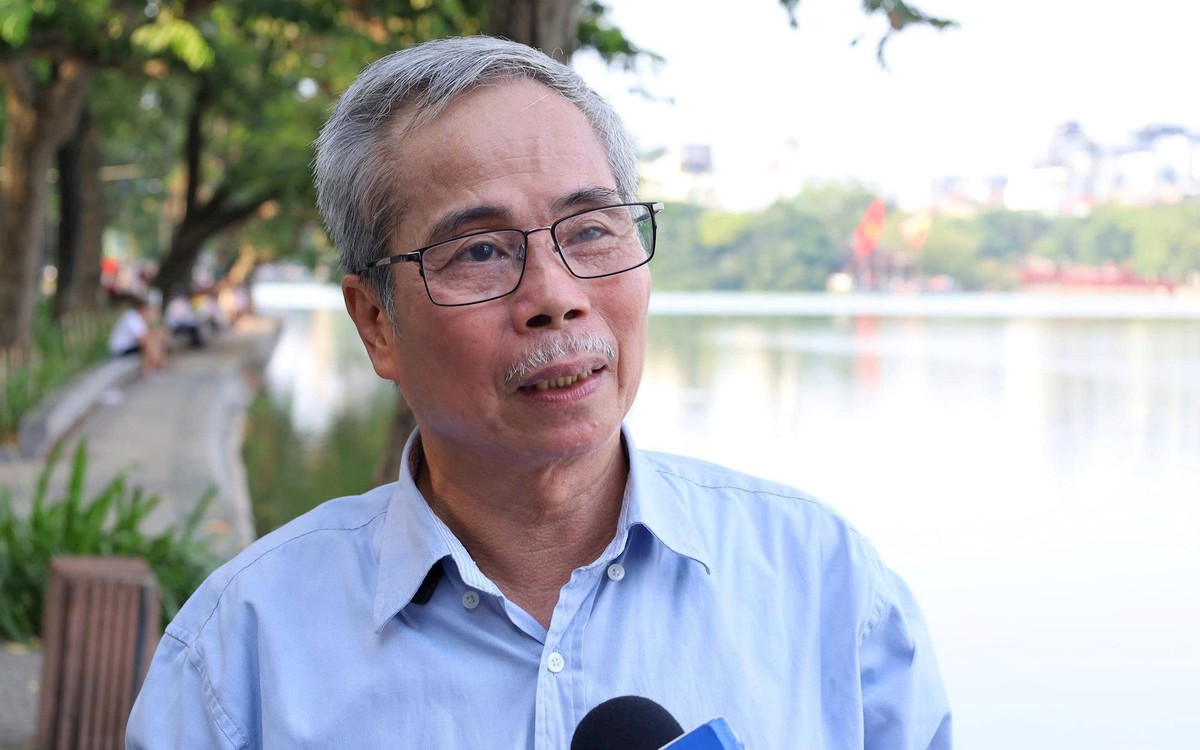
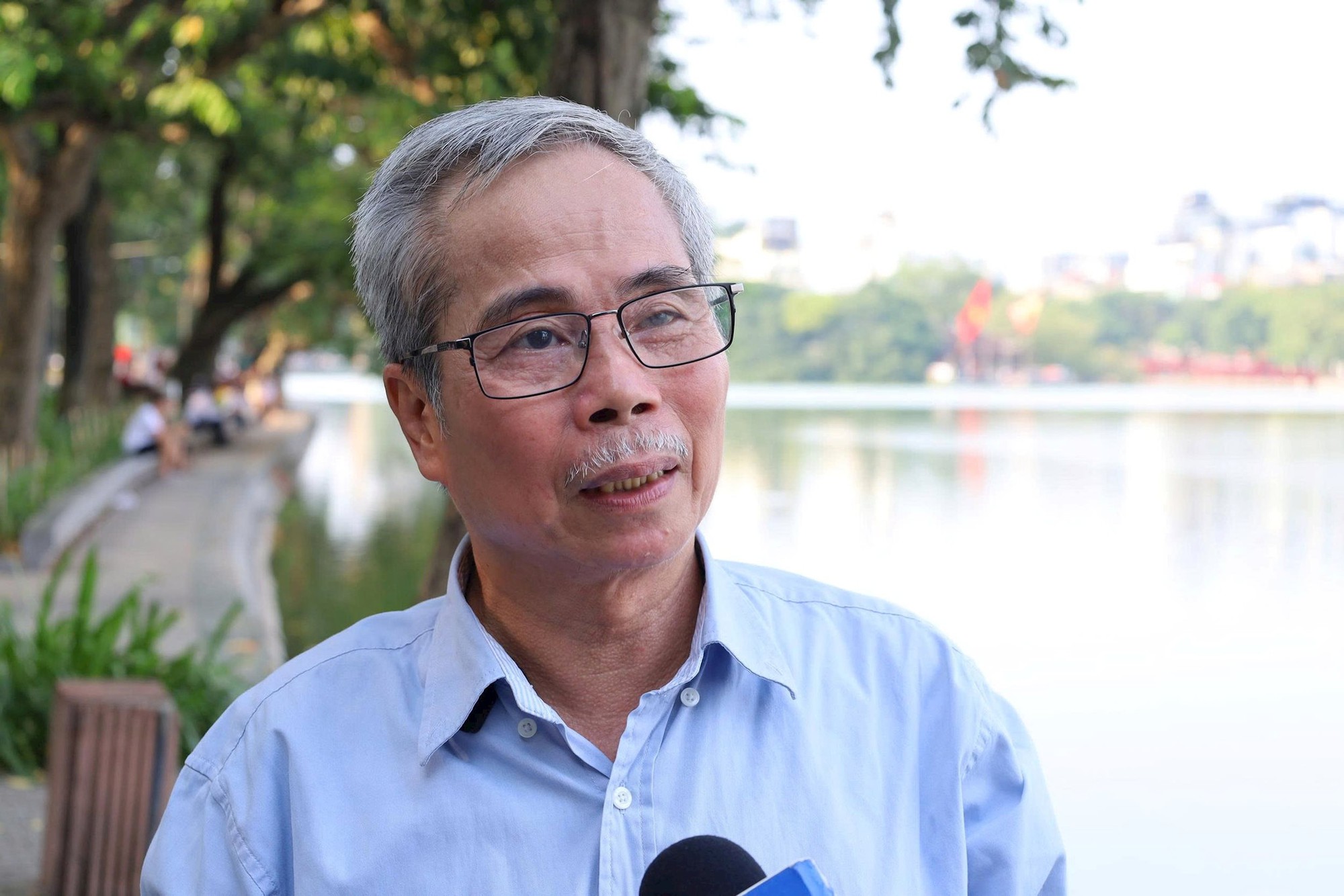
Architect Tran Huy Anh, a member of the Hanoi Association of Architects, emphasizes that the planning of this 66-hectare zone is a monumental task that requires a delicate balance. According to experts, the area represents a "living history," where every street corner and building facade tells a story of national resilience and cultural synthesis. The challenge lies in ensuring that new spatial developments do not disrupt the delicate emotional connection that residents and visitors alike share with this site.
Chronology of Planning and Development Initiatives
The current discourse surrounding the Hoan Kiem Lake master plan is not a new phenomenon but rather a continuation of decades of urban planning efforts. A significant milestone in this timeline occurred in 1995, when architect Le Thu Kim Dung proposed a visionary plan to expand the spatial footprint of the lake. Her proposal, which received the prestigious Grand Prix from the International Union of Architects (UIA), laid the groundwork for modern debates on how to integrate the lake more effectively with the surrounding urban fabric.
In the years that followed, several proposals were floated to reclaim and pedestrianize areas around the lake to create a more cohesive public space. The most notable recent shift has been the move toward developing underground space, a concept that has been widely implemented in major global cities to alleviate surface congestion and preserve surface-level heritage. Despite these efforts, the implementation of these plans has often been stalled by the complexity of reconciling conservation with infrastructure demands.
The Proposed Spatial Expansion: Challenges and Opportunities
The latest planning draft, currently under public consultation, centers on the expansion of the Hoan Kiem Lake area in four cardinal directions: East, West, South, and North. The proposed East-West axis is designed to connect the St. Joseph’s Cathedral area with the surrounding commercial streets, effectively creating a "cultural corridor" that encourages pedestrian movement and supports local businesses.
Architectural experts, including Tran Huy Anh, have pointed out that while the expansion is necessary to accommodate the city’s growing population and tourism, it must be executed with a focus on "human-centric" design. The current draft faces scrutiny for its potential lack of emphasis on the "emotional landscape." Critics argue that while the plan effectively maps out large physical zones, it sometimes overlooks the nuances of how these spaces interact with the daily lives of Hanoians.
The Role of Underground Development
One of the most debated aspects of the master plan is the integration of underground space. Hanoi is still in the early stages of exploring subterranean urban development, a field where many international cities have already established successful models. The current proposal focuses on deep-level excavation; however, architects are advocating for a more sophisticated, multi-layered approach.
Instead of merely digging deep, experts suggest that the plan should focus on connecting underground facilities with surface-level landmarks. This "smart" integration would allow for a seamless transition between the bustling city life above and the serene, climate-controlled environments below. By doing so, the city could effectively increase its usable public space without compromising the visual integrity of the historic buildings surrounding the lake. If developed correctly, this approach would not only solve parking and transit issues but also enhance the overall environmental quality of the district.
The Future of the Hanoi Children’s Palace
The fate of the Hanoi Children’s Palace (Cung Van hoa Thieu nhi) is a focal point of the current planning debate. As a significant piece of modern Vietnamese architecture, the building stands as a symbol of the nation’s post-war recovery and its commitment to the next generation. Over its history, it has served as a hub for millions of children, many of whom have grown to become the city’s leaders, artists, and educators.
Architects involved in the review process argue that any planning modification must prioritize the preservation of such iconic structures. The current proposal suggests that through the strategic use of reclaimed space—potentially freeing up 2.1 hectares of land—it is entirely feasible to modernize facilities while respecting the architectural legacy of the site. The goal is to ensure that the Children’s Palace continues to function as a center for education and cultural enrichment while becoming a more integrated part of the expanded Hoan Kiem landscape.
Comparative Analysis and Global Benchmarking
In analyzing the master plan, urban planners frequently look to global benchmarks. Cities like Paris, London, and Singapore have successfully integrated heritage conservation with modern infrastructure. The common denominator in these success stories is the rigorous public consultation process. By inviting feedback from sociologists, environmentalists, and the general public, these cities have created spaces that are not only functional but also emotionally resonant.
Hanoi’s current approach to gathering public feedback is a positive step toward democratization of urban planning. However, experts warn that the quality of this feedback depends on the transparency of the information provided. There is a growing consensus that the government must provide clearer data regarding the environmental impact, traffic management, and long-term maintenance costs of the proposed developments.
Implications for the Next 100 Years
The 100-year vision for Hanoi is not merely about construction; it is about defining the identity of the city for future generations. As climate change poses new challenges, the Hoan Kiem area will need to be resilient. The integration of "green-blue" infrastructure—such as better water management, increased tree canopy, and sustainable materials—will be essential.
Furthermore, the integration of technology, particularly Artificial Intelligence (AI) in urban planning, requires caution. While AI can process vast amounts of data to optimize traffic and spatial usage, it often lacks the ability to quantify "sense of place." Planners are urged to use technology as a tool to assist human intuition rather than as a replacement for the qualitative judgment required for heritage preservation.
Moving Forward: A Collaborative Approach
The final implementation of the Hoan Kiem Lake spatial plan will likely require an iterative process of refinement. The authorities have signaled a willingness to adjust the plan based on the feedback received during the current consultation phase. This responsiveness is crucial for maintaining public trust and ensuring that the project does not become a disconnected development project.
For the city of Hanoi, the stake is high. The Hoan Kiem district is the face of the capital, and its development trajectory will serve as a template for other historic districts in the city. By prioritizing a mix of high-density functional space, historic preservation, and community-centric design, Hanoi has the opportunity to set a new standard for urban planning in Southeast Asia.
The ongoing discourse serves as a reminder that urban planning is not a static endeavor but a continuous dialogue between the past, the present, and the future. As Hanoi prepares for its next century of growth, the Hoan Kiem Lake area stands as a testament to the city’s ability to evolve while honoring the cultural foundations that have made it a beacon of history and vitality in the region. The successful execution of this plan will require continued collaboration, rigorous oversight, and an unwavering commitment to the well-being of the city’s residents.
Related posts: