The Evolution of Real Estate Investment Value Operational Efficiency and Dual Cash Flow at The Berkley Thao Dien


The landscape of real estate investment in Vietnam is undergoing a fundamental transformation, moving away from speculative narratives centered on distant future potential toward a more pragmatic focus on immediate operational efficiency and sustainable cash flow. In the current economic climate, the true value of a property is no longer measured solely by its physical attributes or grand promises of future development; instead, it is increasingly defined by its capacity to be utilized effectively, maintain consistent revenue streams, and appreciate in value through tangible utility. This shift marks the rise of the "real value" era, where projects with high operational performance are becoming the most persuasive assets for sophisticated investors.
The Paradigm Shift in Real Estate Valuation
For much of the past decade, the Ho Chi Minh City real estate market was driven by land banking and capital appreciation. Investors often purchased units based on the "story" of a neighborhood—upcoming infrastructure, planned commercial hubs, or general urban expansion. However, as the market matures and buyers become more discerning, the focus has pivoted. Today, the most resilient assets are those that can generate "dual cash flow"—a combination of capital gains and consistent rental yields derived from actual demand.
The Berkley, a boutique luxury development by SonKim Land, stands at the forefront of this evolution. Located in the heart of Thao Dien, the project exemplifies how operational capacity can redefine property value. By moving beyond the standard residential model to include integrated stay services and flexible rental capabilities, it addresses a specific, underserved niche in the high-end market.
Thao Dien: The Institutionalized Expat Hub
To understand the investment thesis of The Berkley, one must analyze the unique socio-economic fabric of Thao Dien. Long established as the "European Village" of Ho Chi Minh City, Thao Dien has evolved into a premier international enclave. According to 2024 statistics, the area is home to more than 12,000 international residents. Crucially, over 50% of this population originates from Europe and North America, consisting largely of C-suite executives, diplomatic staff, and high-level technical experts.
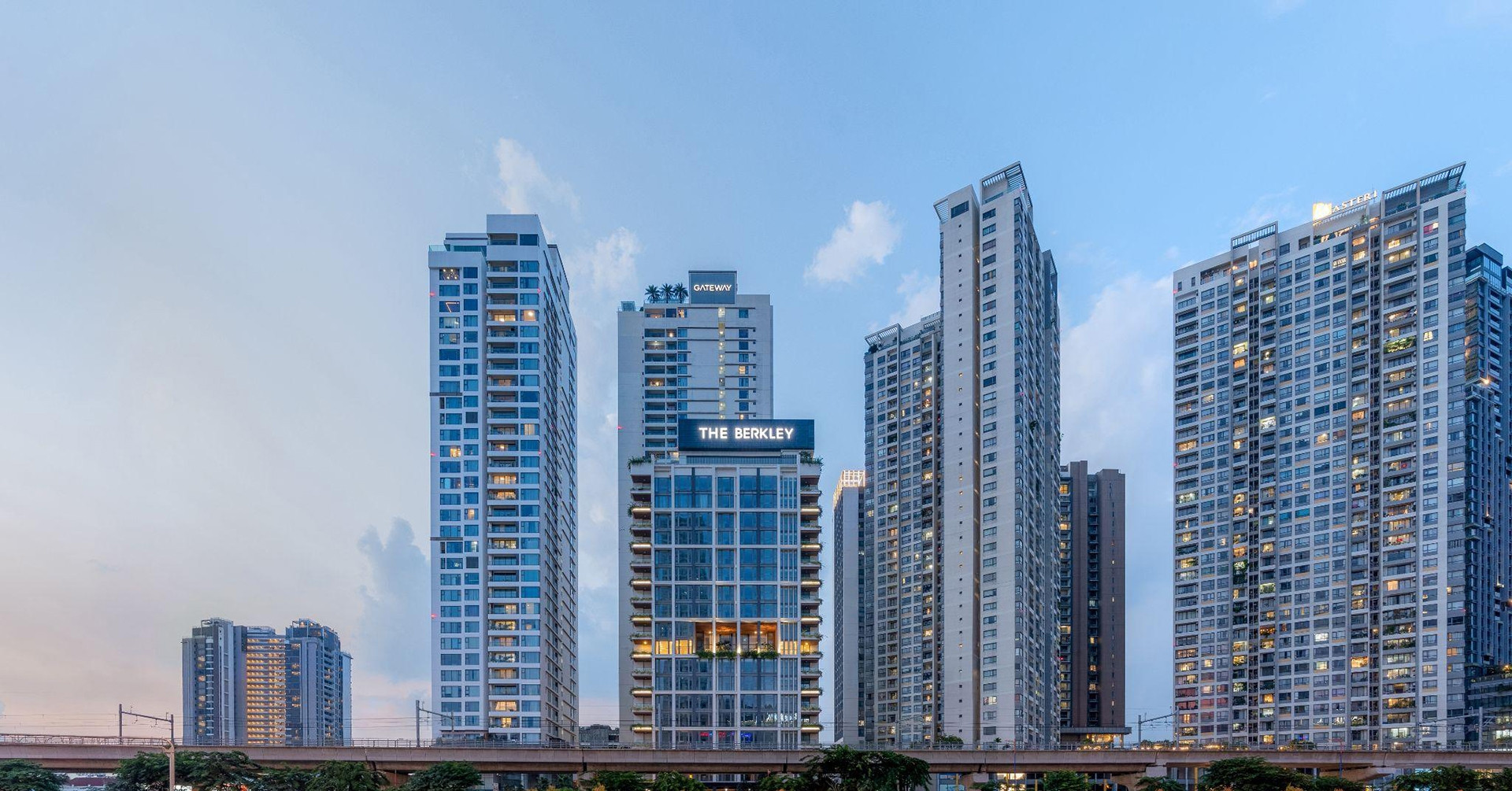
This demographic concentration has created a "micro-economy" within District 2 (now part of Thu Duc City). The demand here is not merely for housing, but for a lifestyle ecosystem that includes international schools (such as ISHCMC and BIS), world-class healthcare facilities (Family Medical Practice, AIH), and a sophisticated culinary and retail scene. This established ecosystem acts as a massive "moat" for property values, as it is nearly impossible to replicate elsewhere in the city.
However, while the demand for luxury living is high, the nature of that demand is changing. There is a growing requirement for flexible, high-end accommodation that bridges the gap between traditional long-term apartments and luxury hotels. Many international experts visiting on medium-term assignments or business consultants require the privacy of a home combined with the service standards of a premium hotel. This is the supply gap that The Berkley is designed to fill.
Project Chronology and Strategic Development
The development of The Berkley follows a strategic timeline that aligns with the broader infrastructure maturation of Thu Duc City.
- 2015–2020: The Infrastructure Foundation: This period saw the intensive construction of the Hanoi Highway expansion and the preliminary works of Metro Line 1. During this time, Thao Dien transitioned from a quiet suburb to a high-density luxury hub.
- 2021–2023: Market Consolidation: As land funds in Thao Dien became increasingly scarce, the focus shifted toward "Boutique Luxury"—smaller, more exclusive projects that offer higher levels of privacy and specialized services.
- 2024 and Beyond: The Operational Era: With the nearing completion of Metro Line 1 and the full integration of Thao Dien’s service ecosystem, projects like The Berkley are entering the market as "finished products" ready for immediate exploitation.
With a limited scale of only 85 units, The Berkley avoids the "mass market" trap. In real estate, scarcity is a primary driver of value retention. By limiting the number of units, the developer ensures a high degree of exclusivity and reduces internal competition for rental tenants, thereby stabilizing yields for owners.
The Transit-Oriented Development (TOD) Catalyst
A significant portion of The Berkley’s value proposition is tied to its proximity to the An Phu Station of Metro Line 1 (Ben Thanh – Suoi Tien). This puts the project squarely within the Transit-Oriented Development (TOD) framework—a global urban planning model where residential and commercial spaces are concentrated around high-quality public transport nodes.
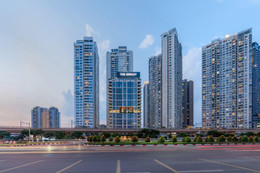
Historically, TOD projects worldwide—from London and Tokyo to Singapore—have shown significantly higher appreciation rates compared to non-transit-linked properties. In Ho Chi Minh City, this trend is already evident. Data from Savills indicates that between 2015 and 2023, apartment projects located along the Metro Line 1 corridor experienced average price increases ranging from 35% to 70%. In premium locations like Thao Dien, some projects have seen their market value nearly double since their initial launch.
The "Metro Effect" provides a long-term safety net for investors. Even during periods of broader market volatility, properties with direct access to mass transit remain highly liquid and desirable. For The Berkley, being adjacent to the An Phu station means residents can reach the Central Business District (District 1) in less than 10 minutes, effectively merging the tranquility of Thao Dien with the economic pulse of the city center.
Analyzing the "Dual Cash Flow" Mechanism
The Berkley’s investment appeal is rooted in its "dual cash flow" structure. This is a sophisticated financial approach that maximizes the utility of the asset.
1. Operational Revenue (Short and Medium Term):
Unlike traditional apartments that are often restricted to long-term leases, The Berkley is designed with integrated stay services. This allows owners to tap into the short-term rental market, catering to business travelers and visiting professionals. In Thao Dien, high-end serviced apartments often command a 20-30% premium over standard residential rentals. The ability to switch between short-term and long-term stays based on market demand provides investors with a level of agility that is rare in the real estate sector.
2. Capital Appreciation (Long Term):
The appreciation of The Berkley is driven by three factors: the scarcity of land in Thao Dien, the completion of the Metro, and the ongoing "premiumization" of Thu Duc City. As the city’s administrative and financial center continues to shift eastward, Thao Dien remains the preferred residential choice for the elite, ensuring that the underlying land value continues to climb.

Expert Analysis: Moving from Speculation to Reality
Market analysts suggest that the "buy and wait" strategy is being replaced by "buy and operate." In previous cycles, investors were willing to hold non-productive assets (such as raw land or shell apartments) in hopes of a market spike. However, the current high-interest-rate environment and stricter credit controls have made holding non-productive assets expensive.
In this context, a project like The Berkley, which is already physically present and integrated into a functioning neighborhood, represents a "de-risked" investment. Investors are no longer buying a "future expectation"; they are acquiring a tangible asset that can be put to work immediately. This transition to "real value" is a sign of a maturing real estate market, where efficiency and utility are the ultimate arbiters of price.
Broader Implications for the Ho Chi Minh City Market
The success of the boutique luxury model at The Berkley has broader implications for urban development in Vietnam. It suggests that the future of high-end real estate lies in specialization rather than scale. As buyers become more sophisticated, they are looking for projects that offer a specific identity and a clear path to profitability.
Furthermore, the integration of professional management and hospitality services into residential projects is likely to become a standard requirement for the luxury segment. The "Expat Hub" of Thao Dien serves as a testing ground for these trends. If a project can satisfy the rigorous standards of an international community that is accustomed to the world’s best real estate in London, New York, or Singapore, it sets a benchmark for the rest of the country.
Conclusion
The Berkley Thao Dien represents a significant milestone in the evolution of the Vietnamese property market. By focusing on the "dual pillars" of operational cash flow and infrastructure-driven appreciation, it offers a blueprint for sustainable investment. In an era where the market is increasingly skeptical of "future stories," the focus on real-world performance, verified data, and tangible utility is what separates a speculative gamble from a strategic asset.
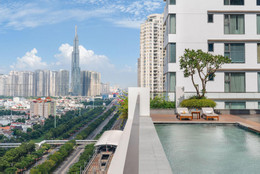
As Metro Line 1 nears its operational phase and the international community in Thao Dien continues to expand, the value of well-positioned, operationally efficient assets will only become more pronounced. For the modern investor, the message is clear: the most valuable property is not just the one that looks the best on a brochure, but the one that performs the best in the real economy. The Berkley, through its strategic location, boutique scale, and flexible exploitation model, is positioned as a definitive answer to the demands of this new real estate cycle.