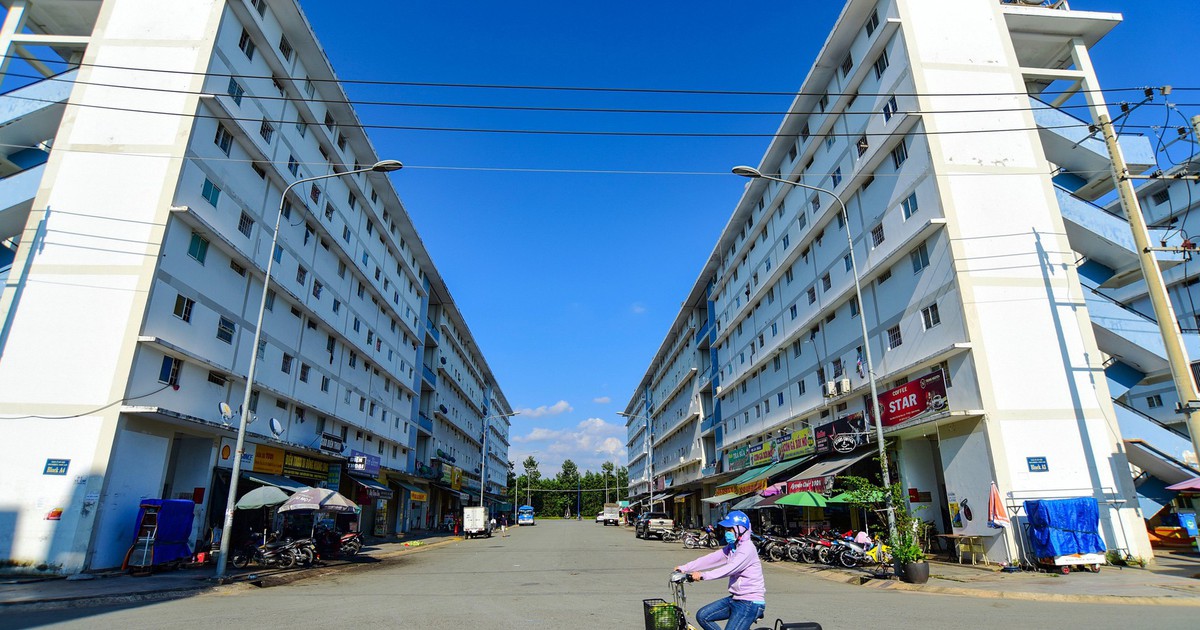
Ho Chi Minh City is embarking on a comprehensive strategy to develop affordable rental housing, aligning with the Prime Minister’s Directive No. 1115 on new housing orientations. As urban migration continues to surge and housing affordability becomes a critical socio-economic challenge, municipal authorities are pivoting toward structural reforms aimed at expanding the rental housing market, particularly for low-income workers, young families, and vulnerable populations.
The initiative comes at a crucial juncture for Vietnam’s economic hub, where rapid urbanization has driven commercial property values beyond the reach of average earners. By shifting focus from pure homeownership models to a balanced ecosystem that includes subsidized rentals, public housing, and robust regulatory controls, the city hopes to ease the residential burden on its workforce and stabilize the broader real estate landscape.
Municipal Directive and Inter-Agency Coordination
In response to national housing directives, the Ho Chi Minh City People’s Committee has formally tasked the Department of Construction with spearheading the implementation framework. Collaborating closely with the Ministry of Construction and other relevant municipal bodies, the Department is charged with refining local housing policies to mirror national objectives while remaining responsive to the practical needs of residents.
The core agenda centers on the meticulous classification of housing typologies. Authorities are currently distinguishing between commercial housing, rental units, public housing, and dedicated social policy housing. Furthermore, the municipal government is establishing stringent policy frameworks to curb housing speculation—a primary driver of artificial price inflation—while simultaneously updating technical standards and building regulations to accommodate innovative housing models.
To ensure policy efficacy, the Department of Construction has been granted expanded administrative responsibilities. These include collecting, updating, managing, and leveraging comprehensive databases regarding housing stock and real estate market performance across the city. Concurrently, the Department of Agriculture and Environment is collaborating with construction authorities to audit land-use policies specific to rental housing development. The dual objective is to unlock dormant land banks, streamline administrative procedures for developers, and incentivize private sector participation in affordable housing projects.
Decentralization of Public Sector Human Resource Management
In a parallel administrative development, the Ho Chi Minh City People’s Committee has enacted a decisive decentralization framework regarding public sector employment. The new policy authorizes the heads of specialized government agencies, administrative organizations, and public service units under municipal jurisdiction to approve, adjust, and manage job positions and staff quotas based on professional classifications.
Under this decentralized model, leadership figures within public service units—ranging from self-funded entities to those heavily subsidized by the state budget—now possess the autonomy to structure their internal workforces. This authority extends to the chairpersons of district-level People’s Committees, who hold similar powers over local public service units within their respective administrative boundaries.
While granting greater operational flexibility to agency heads, the directive emphasizes administrative accountability. Officials vested with these delegated powers must operate strictly within their mandated jurisdictions and will be held directly accountable to the municipal government for implementation outcomes. The Department of Home Affairs has been designated as the central coordinating agency, tasked with guiding, monitoring, and inspecting the execution of these delegated powers across all participating departments and district-level authorities.

Corporate Struggles in Vietnam’s Historic Beverage Sector
Shifting to the corporate landscape, recent financial disclosures highlight persistent headwinds facing some of Vietnam’s most established consumer brands. Halico (Hunar), officially known as the Hanoi Liquor Joint Stock Company, released its reviewed semi-annual financial report for 2026, revealing mounting financial pressures amid intense domestic and international competition.
For the first half of 2026, Halico reported a post-tax loss of VND 1.86 billion, a notable reversal from the modest profit of approximately VND 490 million recorded during the same period in 2025. This latest deficit pushes the company’s accumulated losses past the VND 470 billion mark as of June 2026, while its owner’s equity has dwindled to roughly VND 340 billion.
Halico’s corporate lineage traces back to the historic Hanoi Liquor Factory, originally established by the French firm Fontaine in 1898, making it the largest among five industrial facilities built in French Indochina at the time. Currently operating as a subsidiary of the Hanoi Beer – Alcohol – Beverage Joint Stock Corporation (Habeco), Halico manages an array of legacy brands, including Hanoi Vodka, Lua Moi, Nep Moi, Vina Vodka, Vodka 94 Lo Duc, and Ba Khich. Despite its deep cultural footprint and brand recognition, the company continues to struggle against shifting consumer preferences and aggressive market consolidation by foreign and domestic beverage conglomerates.

Macroeconomic Outlook: Foreign ETF Inflows and Market Upgrades
In the broader financial markets, Vietnam’s stock market is bracing for significant capital inflows as structural upgrades approach. According to a recent strategy report by SSI Research, global benchmark index provider FTSE Russell is scheduled to execute the initial deployment phase of index-tracking funds around September 18, 2026, ahead of the official market reclassification date on September 21.
SSI estimates that initial net purchases by these global passive funds could reach approximately $246 million, involving roughly 27 constituent stocks. Because the September 18 execution window also coincides with portfolio rebalancing cycles for major foreign exchange-traded funds (ETFs) such as Xtrackers, VanEck, and Fubon, trading volumes and capital flows across individual large-cap equities are expected to experience heightened volatility.
Market analysts note particular divergence in capitalization movements. While prominent blue-chip equities such as VIC have attracted strong accumulation from Vanguard-associated funds, other major foreign ETFs are logging net selling positions—most notably driven by Xtrackers’ ongoing portfolio weight adjustments, which include reducing its Vietnam allocation from 31.6% down to 15%. This impending capital restructuring underscores both the growing integration of Vietnam’s equity market into global institutional portfolios and the complex regulatory and liquidity dynamics that accompany frontier-to-emerging market transitions.