Vietnam officially adopts comprehensive master plan to revolutionize information and communications infrastructure for the digital era

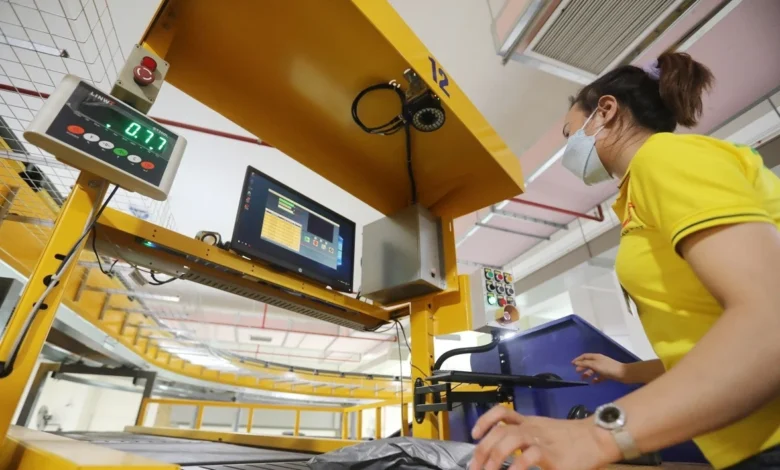
For the first time in its history, Vietnam has unveiled a comprehensive national master plan for Information and Communications Technology (ICT) infrastructure, signaling a fundamental shift toward building a cohesive, modern, and high-tech foundation for the nation’s socio-economic development. This strategic framework, spanning the period to 2030 with a vision toward 2050, aims to harmonize digital connectivity across all regions and administrative levels, effectively transforming the country’s digital landscape to support the transition toward a digital government, digital economy, and digital society.
A New Strategic Foundation for National Growth
The approval of this master plan represents a departure from the fragmented infrastructure development of previous decades. By integrating various sectors—telecommunications, postal services, digital data centers, and cybersecurity—the government intends to create a robust, interconnected system that minimizes regional disparities.
The rationale behind this initiative is rooted in the recognition that ICT is the bedrock of the modern global economy. As Vietnam seeks to climb the value chain, the reliance on traditional infrastructure is no longer sufficient. By prioritizing "digital infrastructure" as the nation’s new vital artery, the government is providing the essential scaffolding for businesses to innovate and for the public sector to become more efficient, transparent, and accessible.

The Evolution of the Postal Sector: From Logistics to Digital Hubs
A critical component of this master plan is the modernization of the postal sector, which has been identified as one of the five core pillars of the national ICT strategy. Historically, the postal network in Vietnam was viewed merely as a delivery mechanism for physical goods. However, the new roadmap seeks to reposition postal infrastructure as a multi-functional logistical and digital gateway.
As of 2020, Vietnam maintained a network of over 21,600 service points, a figure that highlights the country’s impressive physical reach. Despite this density, the system suffered from a lack of integration, with individual enterprises building siloed networks to serve their own narrow business interests. The new plan mandates a shift toward shared, interoperable infrastructure that connects digital data flows with physical logistics, effectively bridging the gap between e-commerce, digital financial services, and traditional shipping.
Chronology and Milestones: The Path Toward 2030
The government has established a clear timeline to ensure the effective implementation of these ambitious goals:
- 2021–2025: The initial phase focuses on the integration of data and logistics networks. The government has set a target of processing 93,000 tons of mail daily by 2025, with internal regional delivery times capped at two days, and inter-provincial or international transit times streamlined to a maximum of five days.
- 2025–2030: This period emphasizes the scaling of regional hubs. The strategy includes the construction of three to five major regional postal centers across the country, each with a daily processing capacity exceeding 11,000 tons of mail.
- Beyond 2030: The long-term vision is to achieve a fully automated, AI-driven logistics ecosystem that serves as the backbone for a high-income, digitally mature society.
Supporting Data and Infrastructure Targets
To reach these goals, the Ministry of Information and Communications (MIC) has emphasized the importance of public-private cooperation. According to official documents, the infrastructure rollout will rely on the deployment of advanced technologies such as automated sorting systems, Internet of Things (IoT) sensors, and predictive data analytics.
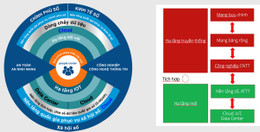
The goal is to increase the efficiency of the national postal network by:
- Consolidating Infrastructure: Reducing the redundancy of private networks by encouraging the shared use of logistics hubs and last-mile delivery systems.
- Optimizing Costs: By lowering operational overhead through automation, the cost of logistics—which currently accounts for a significant portion of GDP in developing markets—is expected to fall, thereby enhancing the global competitiveness of Vietnamese exports.
- Digital Inclusion: Ensuring that even the most remote, rural regions of the country have access to consistent, affordable, and high-quality postal and digital services, fulfilling the government’s mandate of "leaving no one behind" in the digital revolution.
Official Perspectives and Industry Reactions
During the official announcement on February 23, 2024, Deputy Minister of Information and Communications Phan Tam emphasized that the master plan is not merely a government directive but a call to action for the private sector. He noted that the role of major enterprises, such as Vietnam Post and Viettel Post, is crucial in providing the scale and technical expertise required to build a nationwide, modern network.
Representatives from the Institute of Information and Communications Strategy, which played a lead role in drafting the proposal, have indicated that the plan was developed through rigorous analysis of current bottlenecks. "The focus is on creating a resilient supply chain that can withstand crises," a spokesperson stated. "By connecting the physical movement of goods with the digital movement of data, we are creating a seamless ecosystem that supports the entire national economy."
Implications for the Digital Economy
The implications of this master plan are far-reaching. By creating a unified digital infrastructure, Vietnam is positioning itself to be a primary destination for foreign direct investment (FDI) in the high-tech sector. Investors looking to set up regional headquarters or manufacturing hubs require reliable data connectivity, efficient logistics, and a stable regulatory environment—all of which this master plan seeks to codify.

Furthermore, the integration of digital services into the postal network will accelerate the adoption of digital payments in rural areas. As e-commerce continues to penetrate secondary and tertiary markets, the ability of the postal sector to handle both the financial transaction and the physical delivery will be a game-changer for small- and medium-sized enterprises (SMEs).
Challenges and Future Considerations
While the vision is ambitious, the successful implementation of the master plan will depend on several factors. First, the transition from legacy systems to modern, automated technology requires significant capital expenditure and workforce retraining. Second, maintaining cybersecurity within this integrated infrastructure will be paramount; as the network becomes more interconnected, it also becomes a more lucrative target for cyber threats.
The government has recognized these risks and has integrated cybersecurity directly into the design of the new infrastructure. By fostering a "Make in Vietnam" approach—encouraging the development of domestic hardware and software solutions—the country aims to ensure digital sovereignty and reduce reliance on foreign technologies.
Conclusion
The adoption of the master plan for Information and Communications infrastructure is a watershed moment for Vietnam. By shifting from a reactive development model to a proactive, integrated, and technology-first strategy, the nation is laying the groundwork for a more prosperous future. As the country moves toward 2030, the success of this initiative will be measured by its ability to catalyze economic growth, bridge the digital divide, and elevate Vietnam’s status as a key player in the global digital economy. The road ahead involves complex logistical and technical hurdles, but the structural alignment of the government, state-owned enterprises, and the private sector suggests a clear and determined path forward.