Samsung Galaxy Z Roll: The Evolution of Foldable Technology and the Future of Rollable Smartphones

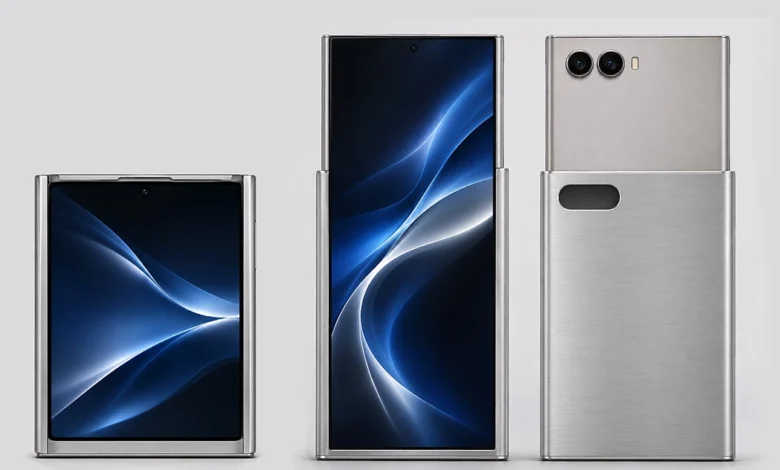
The landscape of mobile technology is on the precipice of a significant paradigm shift as Samsung Electronics edges closer to the commercialization of its highly anticipated rollable smartphone, tentatively dubbed the Galaxy Z Roll. Building upon nearly a decade of dominance in the foldable market through its Galaxy Z Fold and Z Flip series, the South Korean tech giant is looking to redefine the user experience by transitioning from traditional folding mechanisms to a seamless, scroll-like display architecture. Recent leaks and patent filings suggest that this device will feature a compact, rectangular design that expands vertically, effectively bridging the gap between a portable handset and a standard-sized smartphone without the structural compromises associated with physical hinges.
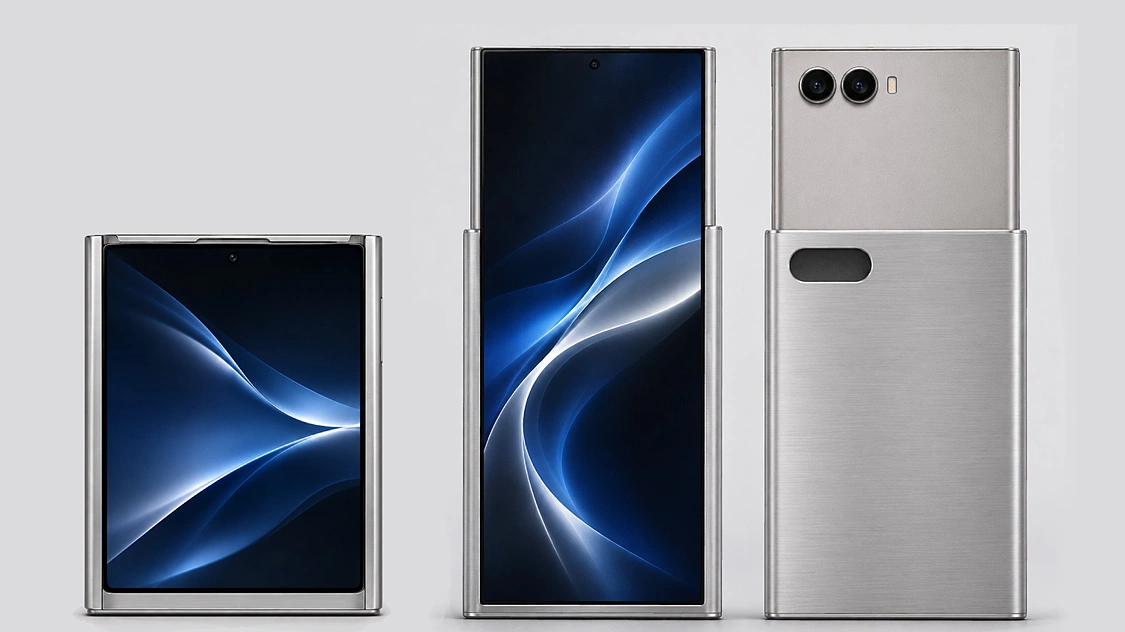
The emergence of this technology, highlighted by recent imagery shared by the prominent industry insider IceUniverse, signals a maturation of flexible display engineering. Unlike current foldable devices that rely on a central hinge, the Galaxy Z Roll appears to utilize a motorized sliding mechanism. In its retracted state, the device remains highly portable, catering to users who prioritize ergonomics and single-handed operation. Upon activation, the internal display unfurls, utilizing a sophisticated motor system to extend the screen real estate, thereby eliminating the notorious "crease" that has long been a focal point of contention among enthusiasts of current foldable handsets.
The Chronology of Innovation
Samsung’s journey toward the rollable form factor is not a recent endeavor but the culmination of a decade-long research and development roadmap. Since 2021, the company has actively secured the trademark for the "Galaxy Z Roll" moniker, signaling its long-term strategic intent to diversify its premium device portfolio.
The trajectory of this innovation can be traced through several key milestones:
- 2019: The inaugural launch of the Galaxy Fold series established the groundwork for flexible OLED technology.
- 2021: Samsung Display formally filed patents for rollable and slidable display prototypes, marking the beginning of the "Galaxy Z Roll" brand registration process.
- 2023–2024: An aggressive acceleration in patent filings revealed advanced designs for housing flexible panels, focusing on motorized rail systems and tension management.
- 2026: Industry analysts observed a surge in leaked schematics and internal design documents, suggesting that the concept had moved from experimental R&D to the pre-production validation phase.
This timeline reflects a deliberate, iterative process. By perfecting the Z Fold and Z Flip series first, Samsung has gained critical insights into the durability of flexible polymers, the heat dissipation requirements of foldable devices, and, most importantly, the software optimization required for dynamic screen ratios.
Engineering Challenges and Structural Solutions
Transitioning from a folding mechanism to a rollable one presents unique engineering hurdles, primarily concerning the longevity of the display panel and the integration of essential hardware. According to reports from industry observers such as PhoneArena, the primary challenge has been the protection of the flexible panel as it retracts into the chassis.
To mitigate these risks, Samsung has developed a complex system of interlocking rails and nanostructure supports. Positioned behind the flexible screen, these components provide the necessary structural rigidity to prevent the display from deforming under pressure. When the screen is in its retracted state, these components provide a stable backing; as the motor engages to expand the display, the rail system smoothly deploys, maintaining uniform tension across the entire surface.
The integration of these mechanical systems creates significant space constraints within the device’s internal frame. To compensate for the loss of internal volume, Samsung is reportedly pivoting toward the use of silicon-carbon battery technology. This next-generation energy storage solution offers a higher energy density compared to traditional lithium-ion batteries, allowing the device to maintain acceptable battery life despite the reduced internal footprint required by the motorized sliding components.
Software Synergy and User Interface Adaptability
Hardware innovation is meaningless without a corresponding evolution in the user interface. Recent patent filings indicate that Samsung is developing a "context-aware" operating system layer specifically designed for rollable displays. This system is intended to manage notifications and media playback dynamically based on the current extension of the screen.
When the device is partially extended, the UI can shift elements to ensure that content remains legible and accessible. This approach mirrors the success of the Flex Window on the Galaxy Z Flip series, which allows users to interact with essential apps without fully unfolding the device. However, the rollable form factor promises a more seamless transition, as the software will be capable of fluidly adjusting resolution and aspect ratios in real-time as the physical screen size changes.
Market Implications and Future Outlook
The introduction of the Galaxy Z Roll is poised to impact the smartphone market in several profound ways. For the past three years, the foldable market has seen incremental updates rather than radical departures from existing designs. A rollable handset would serve as a "halo product," demonstrating Samsung’s continued leadership in display technology and mechanical engineering.
Current market data suggests that consumers are becoming increasingly fatigued by traditional rectangular smartphone designs. While the Galaxy Z Flip has found success as a lifestyle-oriented device, the Galaxy Z Roll is expected to target power users and professionals who require the functionality of a tablet in a pocketable form factor. If Samsung successfully addresses the durability concerns that plagued the early generations of its foldable devices, the rollable category could represent the next stage of growth for the premium mobile segment.
Industry analysts anticipate that by 2027, the market will witness a broader diversification of the Galaxy Z lineup. Reports suggest that Samsung may release up to seven distinct variants of its foldable and rollable devices by that year, catering to a wider range of price points and use cases. This strategy aims to normalize the use of flexible displays, moving them from a niche curiosity to a mainstream standard.
Challenges to Mass Adoption
Despite the technical prowess displayed in the patents, several barriers to mass adoption remain. Cost is perhaps the most significant factor. The manufacturing process for rollable OLED panels is currently significantly more expensive than standard flat or even foldable screens due to the specialized materials required to ensure both flexibility and durability. Furthermore, the reliance on high-precision motorized parts introduces a new failure point that must be rigorously tested for drop resistance and debris ingress.
Samsung Display, the subsidiary responsible for the panels, has been conducting extensive stress tests, subjecting the sliding mechanisms to hundreds of thousands of cycles. Ensuring that the device can withstand years of daily use in varied environments—ranging from high-humidity areas to dust-prone urban settings—will be the final hurdle before the product reaches the assembly line.
Conclusion
The Galaxy Z Roll is more than just a conceptual handset; it represents the next logical evolution in mobile hardware. By moving away from the hinge, Samsung is addressing the inherent physical limitations of the foldable category. While the engineering complexities of rollable displays are substantial, the company’s decade-long investment in materials science and mechanical design suggests that a commercial rollout is not only feasible but imminent. As the industry moves toward 2027, the focus will shift from whether such a device can be built to how it will fundamentally change the way users interact with their digital lives. Whether it will succeed in becoming the new standard remains to be seen, but the trajectory of Samsung’s R&D efforts clearly indicates that the future of the smartphone is, quite literally, on a roll.