Historic Milestone Reached as Bến Lức – Long Thành Expressway Officially Opens After 12 Years of Construction

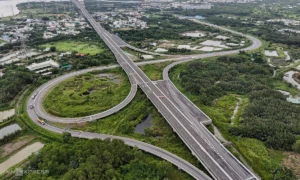
The official opening of the Bến Lức – Long Thành Expressway marks a monumental leap forward for Southern Vietnam’s transportation network. Commencing operations at the stroke of midnight on October 1, this vital 58-kilometer infrastructure artery bridges the Western Mekong Delta and the Eastern economic hub of Đồng Nai without requiring motorists to navigate the congested urban core of Ho Chi Minh City. After a grueling 12-year construction timeline plagued by various delays, the highway’s full-scale operational launch brings immense relief to millions of commuters, long-haul freight transporters, and regional economic planners who have long anticipated a direct bypass around the nation’s busiest metropolis.
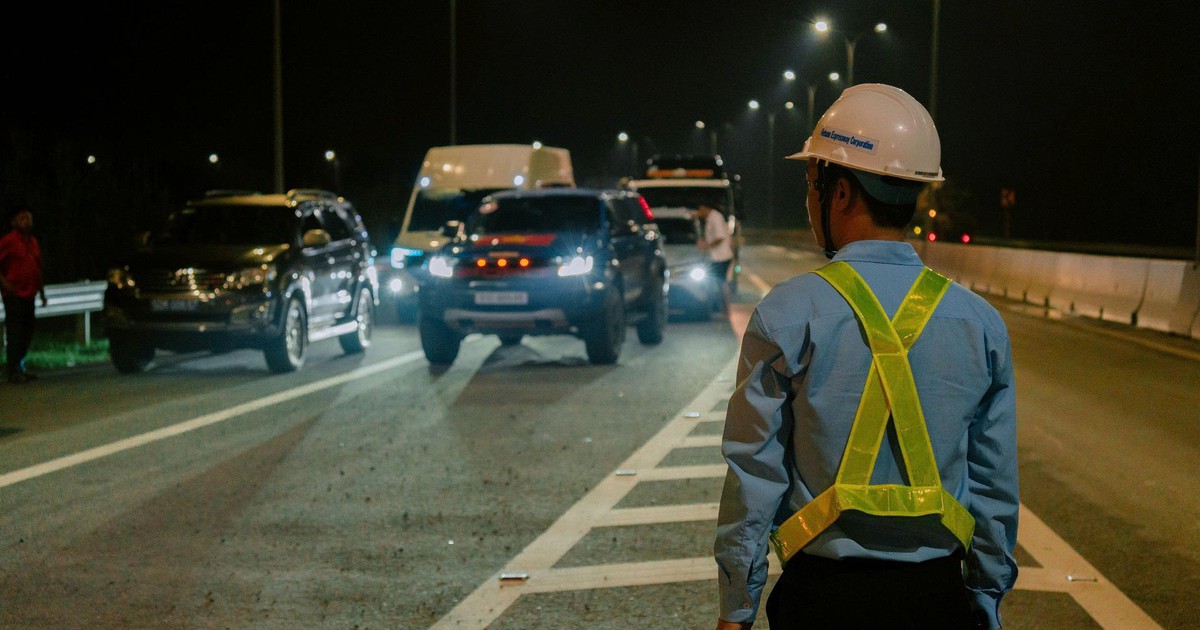
The midnight inauguration was met with overwhelming enthusiasm from the public. Long before the toll gates officially swung open, patient streams of automobiles, commercial trucks, and passenger buses lined up peacefully in the nocturnal hours, eager to etch their tires into the history books of Vietnamese infrastructure. By precisely 00:00, vehicles traveling from Đồng Nai toward the Western provinces were cleared for passage. Two hours later, at 2:00 AM on the same day, the opposite flow of traffic—moving from the Western provinces toward Đồng Nai and Vũng Tàu via the critical Nguyễn Văn Tạo interchange—commenced smoothly, signaling the complete harmonization of the entire expressway corridor.
Background Context and Project Genesis

Conceived over a decade ago as a cornerstone of the Southern Key Economic Region, the Bến Lức – Long Thành Expressway was designed to redefine regional connectivity. Spanning 58 kilometers across multiple provinces and municipalities, including Long An, Tiền Giang, and Ho Chi Minh City, the route was envisioned to integrate seamlessly with the broader national highway network and the upcoming Long Thành International Airport.
However, the path to completion was far from straightforward. Initiated more than 12 years ago, the project encountered a labyrinth of challenges, ranging from complex site clearance procedures and funding adjustments to administrative bottlenecks and material shortages. Despite these hurdles, tireless efforts by local authorities, construction syndicates, and engineering teams ultimately pushed the project across the finish line. The completion of major architectural feats, such as the sweeping Bình Khánh Cable-Stayed Bridge, stands as a testament to modern engineering capability in navigating soft soil conditions and complex river crossings unique to the Mekong Delta gateway.

Alleviating Ho Chi Minh City’s Severe Traffic Congestion
For decades, the journey between the Western provinces (Miền Tây) and the Eastern industrial powerhouses (Miền Đông) forced millions of travelers and commercial carriers through the heart of Ho Chi Minh City. This bottleneck exacerbated urban congestion, polluted the metropolitan atmosphere, and strained aging inner-city bridges and thoroughfares.
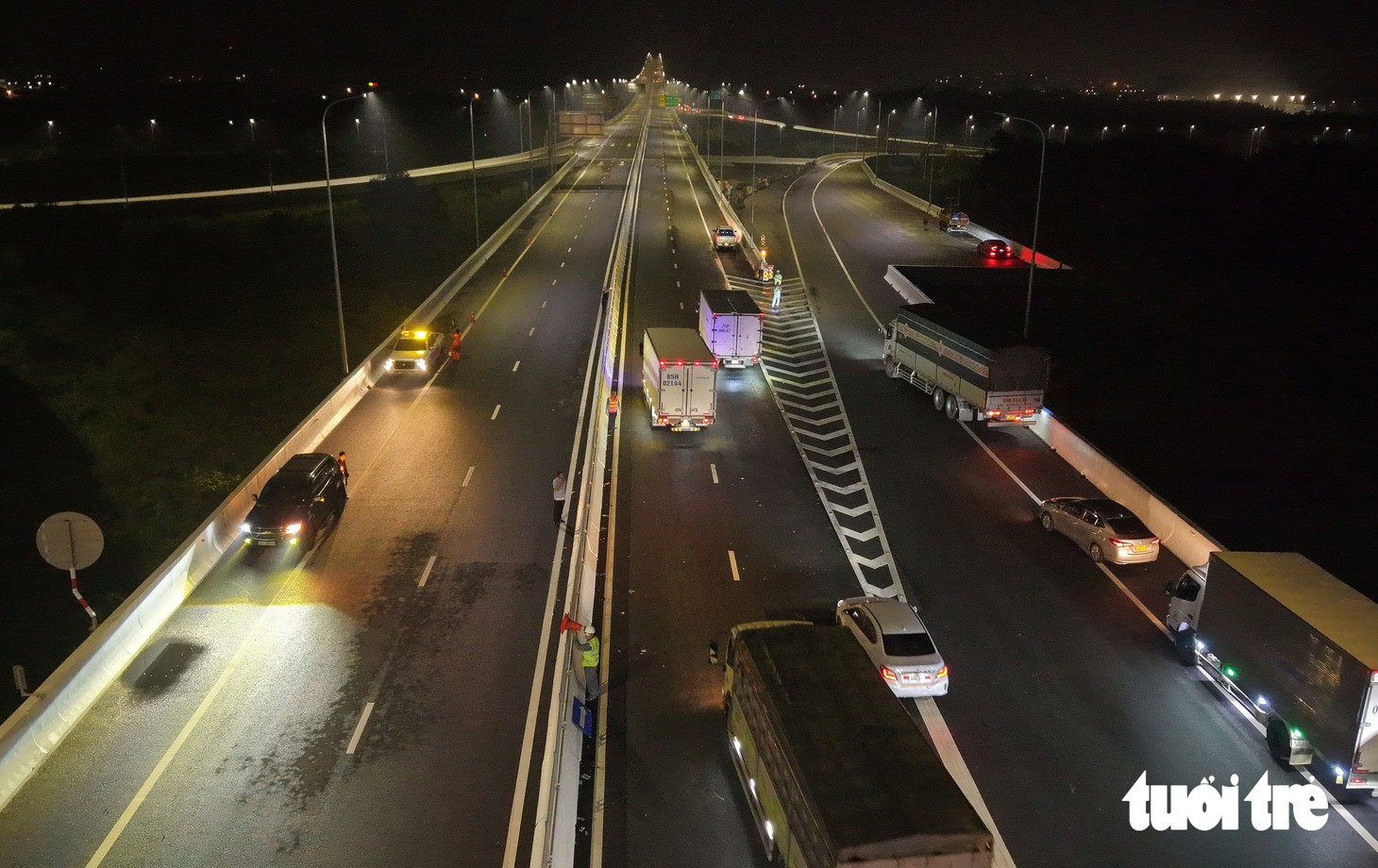
The opening of the Bến Lức – Long Thành Expressway fundamentally alters this transit dynamic. By offering a high-speed, multi-lane bypass skirting the southern periphery of the city, the expressway absorbs a massive share of inter-regional freight and passenger traffic. Logistics companies transporting agricultural produce from the Mekong Delta to export terminals in Đồng Nai and Bà Rịa – Vũng Tàu can now bypass urban bottlenecks entirely, drastically cutting transit times, reducing fuel consumption, and lowering logistics costs. Urban planners anticipate a measurable decrease in daily vehicle density across central Ho Chi Minh City intersections, improving overall urban mobility and road safety.
Seamless Integration via Strategic Interchanges
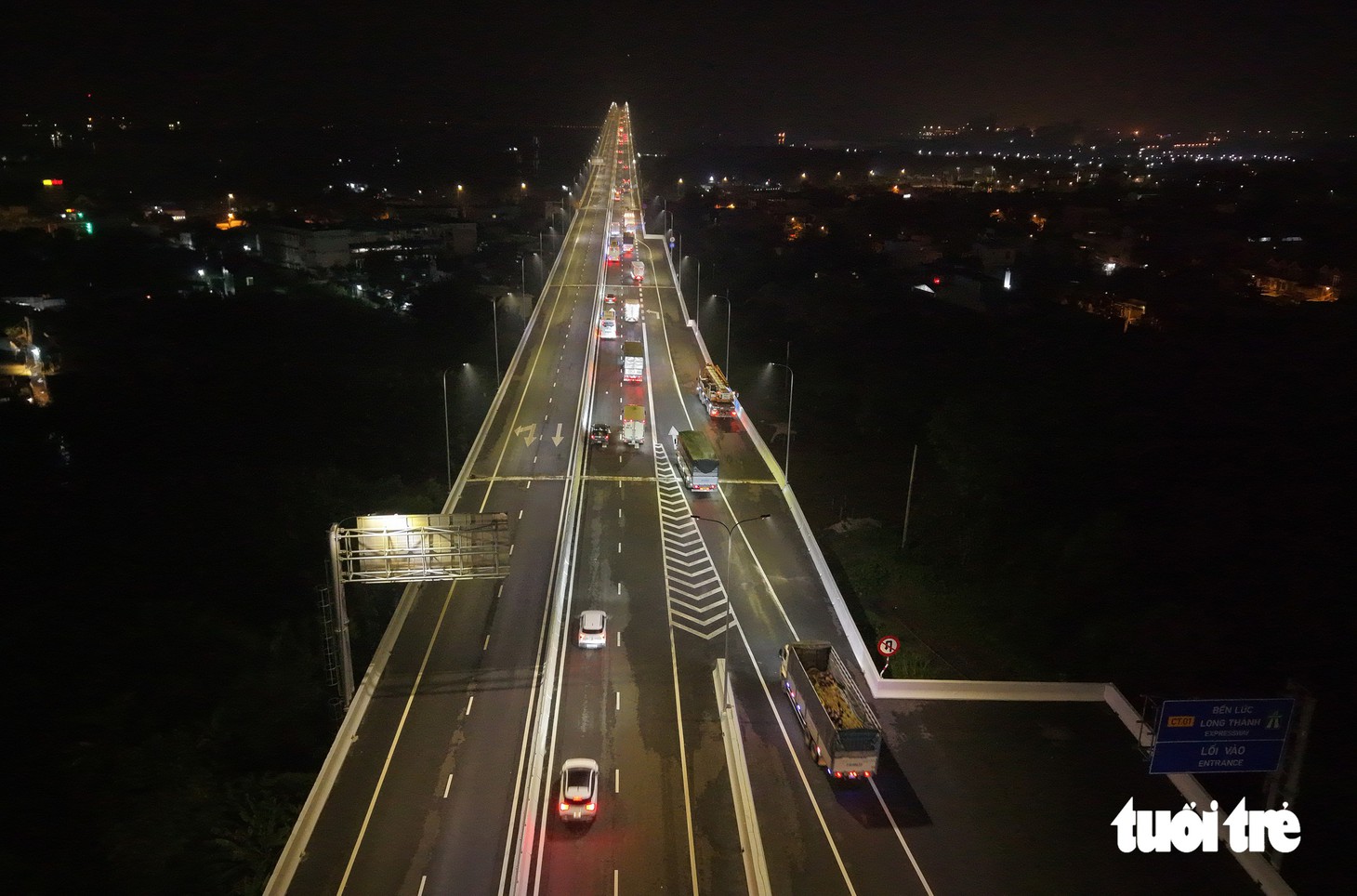
To maximize regional accessibility, the expressway is strategically connected to several key arterial routes. Motorists from the Western provinces can access the corridor through designated entry points, seamlessly transitioning onto the high-speed highway.
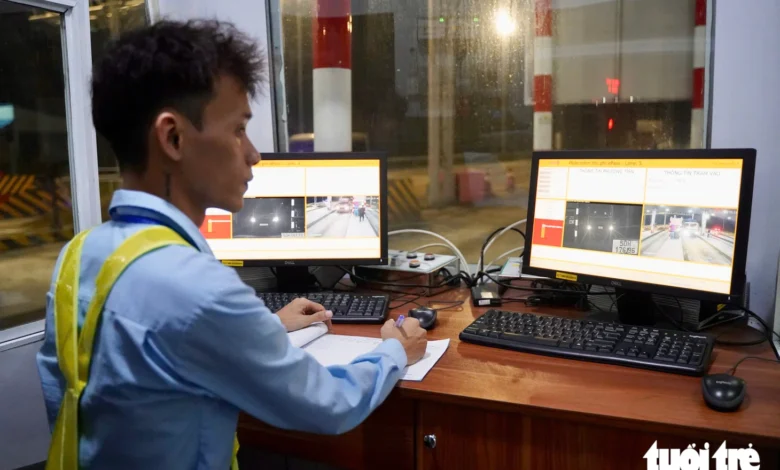
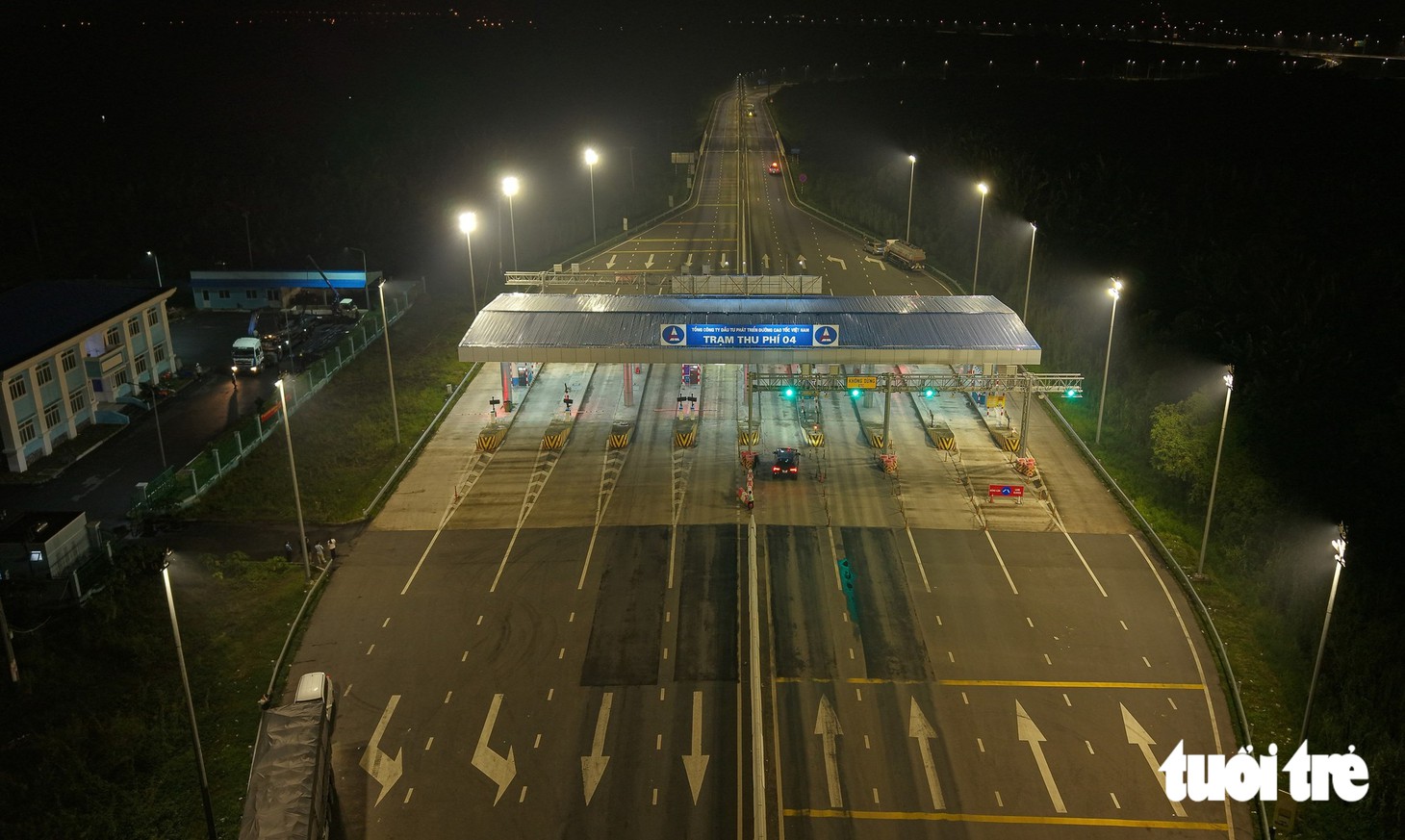
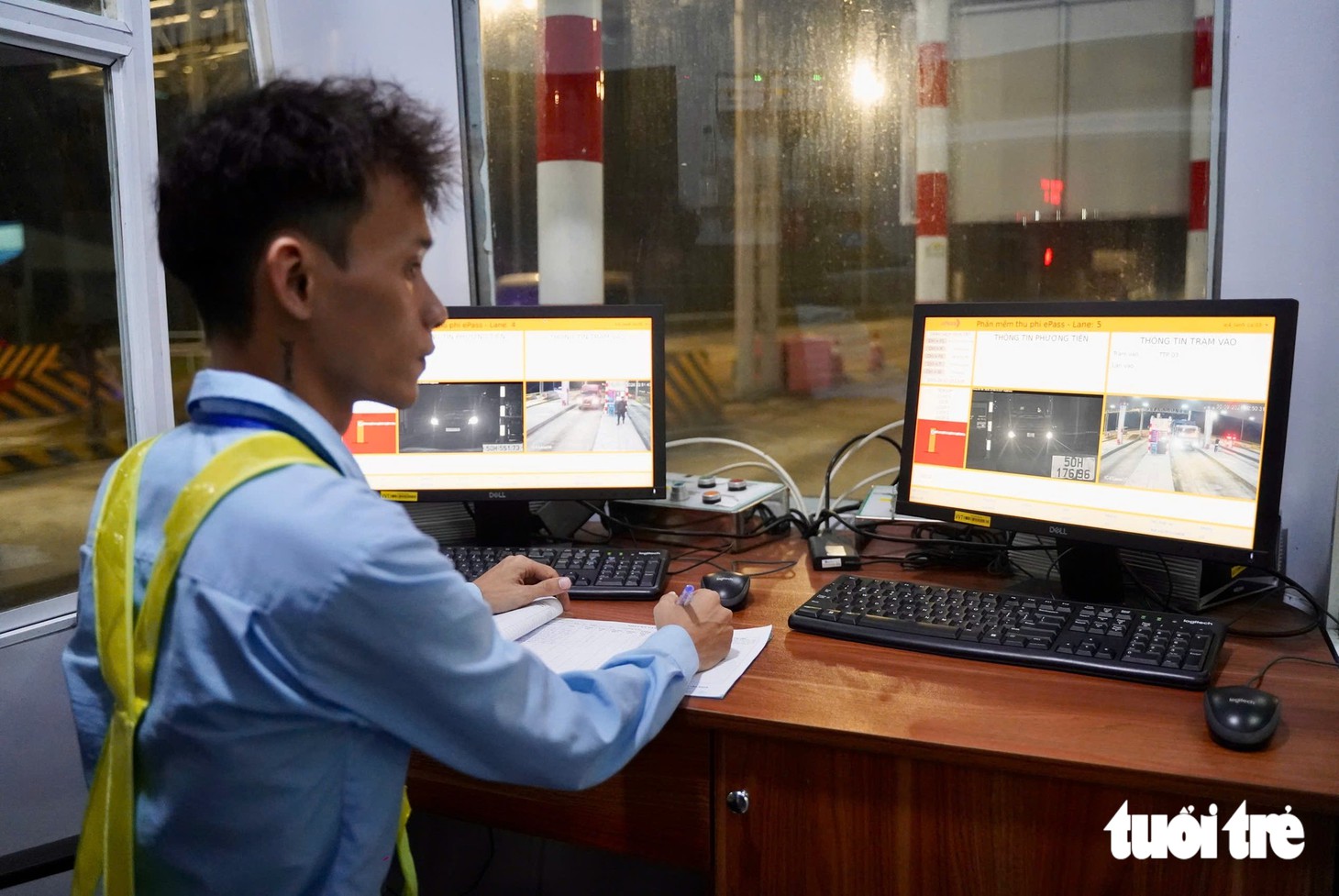
At the Nguyễn Văn Tạo interchange in Hiệp Phước commune, Nhà Bè District, Ho Chi Minh City, a major toll plaza has been established to manage the influx of vehicles. Ahead of the midnight opening, toll collection staff and traffic regulation officers were deployed in full force to monitor automated electronic toll collection (ETC) lanes, guide drivers, and ensure smooth lane distribution. Conforming to national smart-transportation standards, the expressway operates with integrated digital payment systems, minimizing vehicular idling times at toll booths and maintaining a continuous, fluid flow of traffic.
Economic Implications and Regional Growth
The debut of the Bến Lức – Long Thành Expressway is much more than a victory for commuters; it is a vital catalyst for regional economic integration. By bridging the gap between the agricultural powerhouse of the Mekong Delta and the industrial and maritime centers of the East, the corridor accelerates trade efficiency.
Provinces along the route are expected to see a surge in real estate value, industrial park development, and tourism engagement. Travelers heading from the Mekong Delta to coastal destinations like Vũng Tàu no longer need to endure hours of stop-and-go driving through metropolitan thoroughfares. Furthermore, the expressway serves as a critical distribution route for the burgeoning Long Thành International Airport ecosystem, ensuring that cargo and passenger traffic from the western territories can reach the aviation hub swiftly and reliably.
Official Responses and Ongoing Management
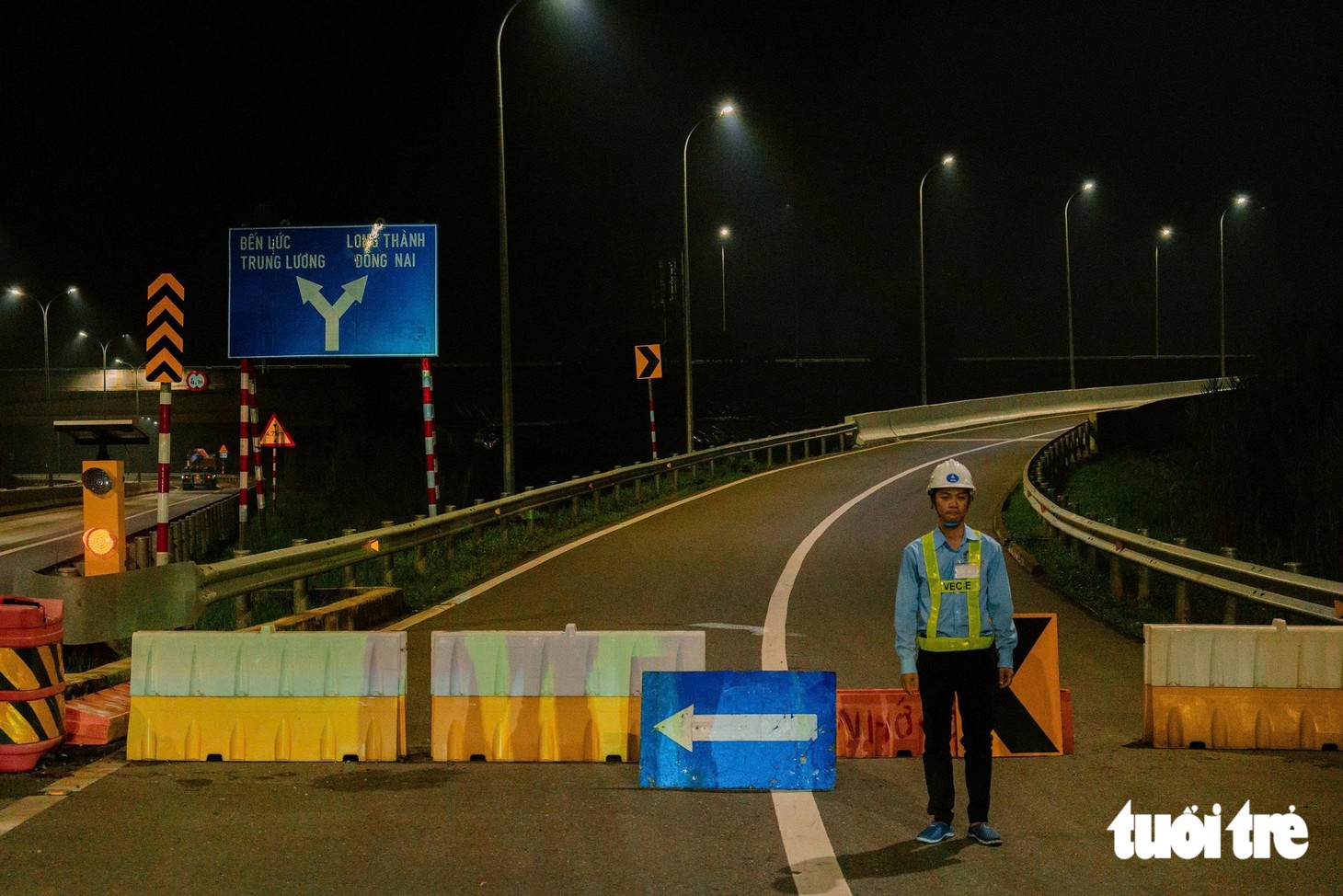
Following the initial hours of operation, transportation authorities and project management boards expressed satisfaction with the orderly behavior of motorists and the stability of the infrastructure systems. Traffic police and maintenance crews remain stationed at major interchanges and bridges—including the iconic Bình Khánh structure—to provide round-the-clock monitoring, emergency assistance, and dynamic lane management.
As the Bến Lức – Long Thành Expressway enters its operational phase, authorities continue to urge drivers to adhere strictly to speed limits, maintain safe following distances, and ensure their vehicles are equipped with functioning electronic toll tags. This historic milestone not only closes a challenging chapter of prolonged construction but also opens a bright, fast-paced era for Southern Vietnam’s transportation infrastructure, setting a new benchmark for future national connectivity projects.