Russia and Ukraine move toward a tentative ceasefire amid diplomatic efforts and persistent battlefield pressure

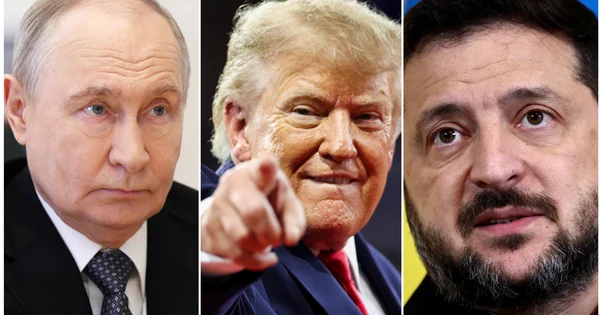
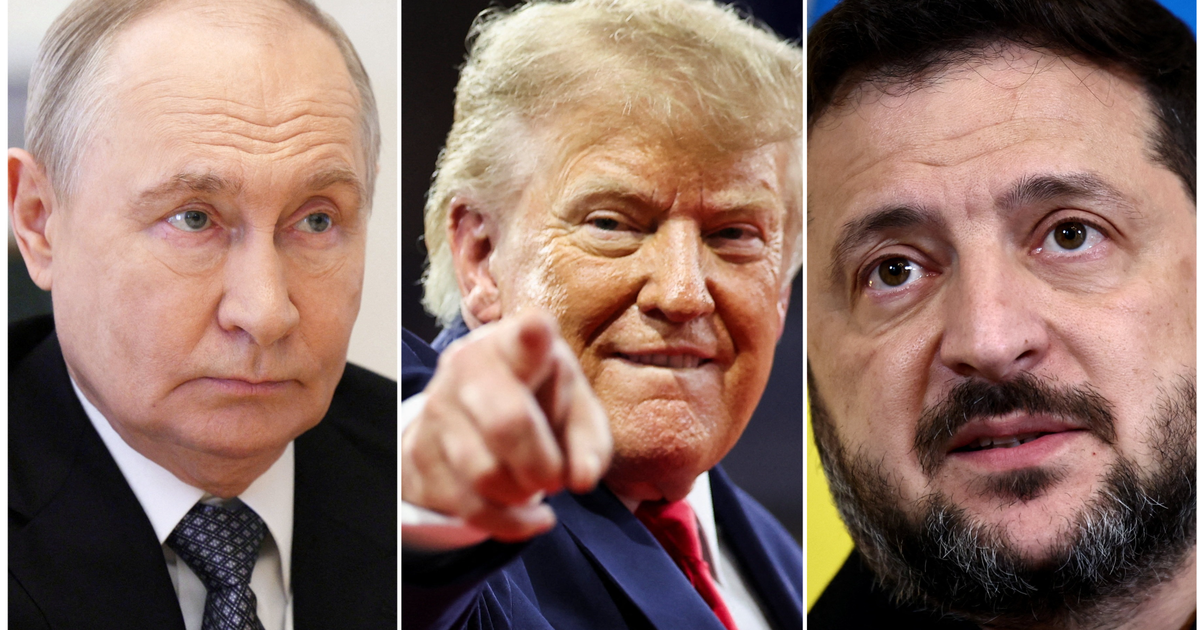
The prospect of a long-awaited thaw in the Russia-Ukraine conflict has emerged as high-level diplomatic representatives prepare for a series of technical discussions in Abu Dhabi. Scheduled for the first half of November, these talks are intended to bring together delegations from Moscow, Kyiv, and Washington, as confirmed by Kremlin spokesperson Dmitry Peskov and aligned with recent statements from President Volodymyr Zelensky. While the diplomatic window appears to be cracking open, the reality on the ground remains volatile, with both sides locked in a brutal struggle for territory that continues to complicate the viability of any lasting cessation of hostilities.
The Oleshky Precedent: A Microcosm of Diplomacy
As diplomatic machinery begins to turn, a localized success has provided a rare glimmer of hope. Russia and Ukraine have reached a formal ceasefire agreement covering the city of Oleshky in the Kherson region, set to take effect on October 27. Notably, this negotiation was facilitated by incoming U.S. First Lady Melania Trump, marking an unconventional entry for the American administration into the mediation process.
The Oleshky agreement is humanitarian in nature, specifically designed to allow for critical demining operations, the delivery of emergency aid, and the evacuation of civilians. According to reports from The Guardian, approximately 2,000 residents remain trapped in the city, facing acute shortages of food, medicine, and electricity. Ukraine’s Human Rights Commissioner, Dmytro Lubinets, emphasized that Kyiv is pushing for these humanitarian corridors to be expanded beyond a one-time event, citing the desperate conditions of the local population. While limited in scope, the Oleshky arrangement serves as a vital stress test for whether larger, more complex ceasefire agreements can be implemented in the future.
The Diplomatic Tug-of-War
Despite these localized developments, the chasm between the broader political goals of Moscow and Kyiv remains wide. On October 24, President Zelensky signaled a willingness to discuss a comprehensive ceasefire, focusing initially on "soft" sectors such as energy infrastructure and maritime security. Kyiv’s demands are rigorous: they include long-term security guarantees, a commitment to sustained financial and military support over the next decade, and the active participation of European powers to ensure the longevity of any future agreement.
Conversely, Vladimir Putin has maintained a rigid stance. In recent remarks, the Russian president dismissed the idea of a short-term, "patchwork" ceasefire, instead demanding a long-term security arrangement that effectively requires Ukraine to cede control over its eastern territories and accept a status of neutrality. Russia’s position remains anchored in the total withdrawal of Ukrainian forces from these contested regions—a condition that Kyiv has consistently rejected as a non-starter.
The U.S. role in these negotiations has become increasingly aggressive under the Trump administration. President Donald Trump, in his efforts to force a resolution, has floated the possibility of imposing 200% tariffs on both Russian and Ukrainian goods if a peace agreement is not reached. While analysts note that the effectiveness of such trade pressure is limited by the current lack of direct trade between the U.S. and Russia, the rhetoric underscores a shift toward economic coercion as a primary diplomatic tool.
Battlefield Dynamics and Escalating Pressures
The diplomatic push coincides with some of the most intense fighting seen in recent months. The battlefield in eastern Ukraine, particularly in the Donetsk region, remains the primary friction point. Near the city of Dobropillia, Russian forces have intensified their offensive, placing Ukrainian defensive lines under significant strain. Recent reports from The Kyiv Independent indicate that in a 24-hour window ending October 24, at least eight people were killed and 67 injured, as Russian strikes continued to target critical energy infrastructure.
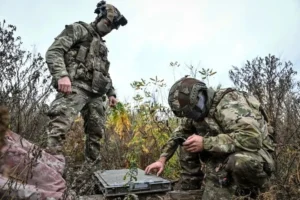
The strategic situation is compounded by the persistent use of unmanned aerial vehicles (UAVs). Russian drone strikes are increasingly penetrating deep into the Ukrainian rear, threatening logistics routes and complicating the movement of military assets. In response, Ukrainian forces have been forced to innovate, drastically increasing their own use of drone technology for both reconnaissance and tactical strikes. However, the reliance on such technology is hampered by connectivity issues. President Zelensky has specifically pointed to ongoing restrictions regarding the Starshield and Starlink satellite systems, which he claims continue to impede the efficiency of Ukrainian UAV operations.
Furthermore, Ukraine remains in a precarious position regarding air defense. Despite agreements in principle, the promised shipment of advanced anti-missile defense systems from the United States has yet to be fully realized. Without these systems, the Ukrainian military struggles to protect its civilian centers and energy grid from the persistent barrage of Russian long-range munitions.
Economic Entanglements: Oil and Energy
The conflict is also being influenced by complex energy dynamics. In a surprising move, Russian Deputy Prime Minister Alexander Novak announced that three tankers carrying diesel are currently en route to the United States. This delivery is part of a broader, behind-the-scenes agreement between the two nations that allows Russia to export an additional 500,000 tons of fuel to international markets through October.
The vessel Agioi Fanendes, carrying approximately 40,000 tons of diesel, departed the port of Primorsk and is expected to arrive in New York by November 7. While this may appear contradictory to the ongoing sanctions regime, the Kremlin suggests these shipments will continue, while Washington appears to be leveraging these flows to alleviate energy price pressures ahead of the upcoming midterm election cycles. This energy "back-channel" underscores the complex, often contradictory nature of international conflict management, where geopolitical adversaries find themselves relying on one another to maintain domestic stability.
Implications and Future Outlook
The path to a durable ceasefire is obstructed by deeply entrenched, contradictory objectives. For Ukraine, any cessation of hostilities must be a precursor to a long-term, internationally guaranteed security framework that preserves its sovereignty. For Russia, a ceasefire is only acceptable if it codifies territorial gains and ensures the permanent exclusion of Ukraine from Western security architectures.
The upcoming Abu Dhabi talks represent a high-stakes moment in the conflict. If the technical delegations can establish a framework for de-escalation—even if limited to energy and humanitarian concerns—it could create the necessary momentum for broader political discussions. However, if the battlefield situation continues to deteriorate or if the "hard" requirements of both sides remain immovable, the conflict risks devolving into a permanent state of attrition, with civilians bearing the brunt of the instability.
As of late October 2026, the international community is watching closely to see if these technical discussions can translate into a meaningful reduction in violence. With the added weight of U.S. economic pressure and the critical humanitarian needs in cities like Oleshky, the next few weeks are set to be a definitive test of whether diplomacy can finally curb the momentum of a war that has reshaped the global security landscape. The success or failure of these talks will likely dictate the course of the winter months, determining whether the front lines will solidify into a frozen conflict or continue to shift under the weight of sustained kinetic warfare.