The Vietnamese automotive market is hurtling toward its peak shopping season as a diverse wave of new vehicle launches converges on showrooms nationwide. As the year 2026 enters its final quarter, automotive manufacturers and distributors are aggressively rolling out a fresh slate of models to capture consumer demand during the traditionally lucrative year-end purchasing window. This influx spans multiple segments, ranging from fuel-efficient MPVs and hybrid crossovers to advanced plug-in hybrids and rugged electric SUVs. Industry experts note that this late-year surge reflects intensifying competition among established Japanese brands and rapidly expanding Chinese automakers vying for market share in Southeast Asia’s dynamic economy.
Shifting Market Dynamics and Year-End Consumer Trends
The fourth quarter traditionally represents the highest-volume period for Vietnam’s automotive industry. Consumer purchasing power typically peaks between October and January, driven by holiday bonuses, lunar new year preparations, and attractive year-end dealership promotions. Automakers strategically time their flagship product debuts during this window to maximize visibility and secure forward orders.
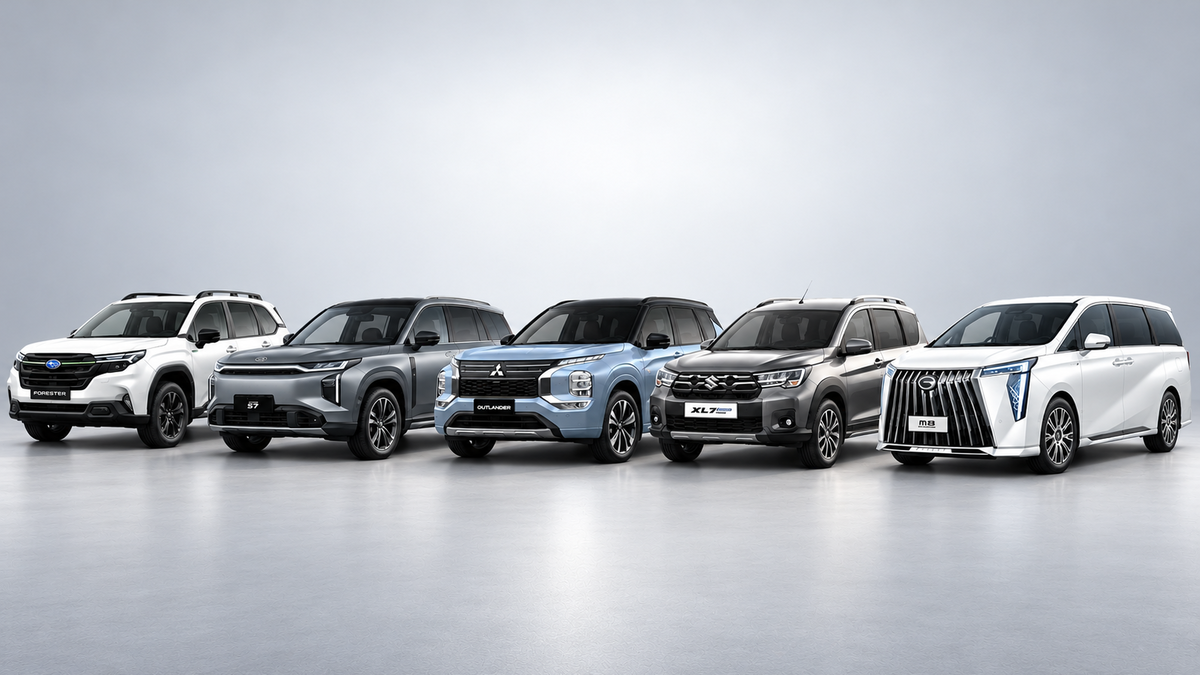
In late 2026, the market is witnessing a notable pivot toward electrified powertrains. Hybrid and plug-in hybrid electric vehicles (PHEVs), which were previously niche offerings, are rapidly moving into the mainstream. Concurrently, local assembly initiatives by emerging brands are beginning to bear fruit, reducing reliance on fully imported units and altering pricing strategies across various segments. Below is a comprehensive breakdown of the major models slated to hit the Vietnamese market in the final months of 2026.
Suzuki XL7: Mid-Cycle Refresh for a Bestselling MPV
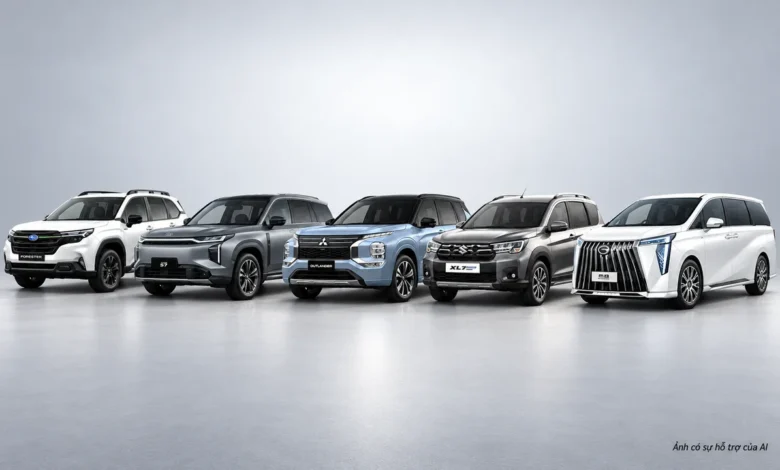
Suzuki’s top-selling multi-purpose vehicle in Vietnam, the XL7, is scheduled to receive a comprehensive mid-cycle refresh between late October and early November. The updated model continues to be imported completely built-up (CBU) from Indonesia, maintaining the supply chain framework of its predecessor.
Design and Technology Upgrades
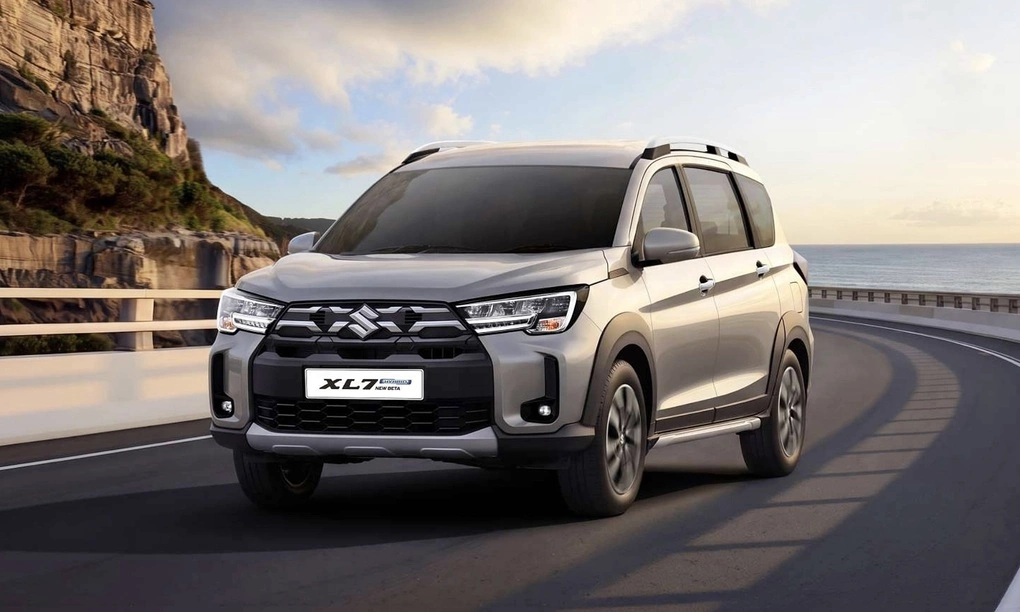
The exterior styling of the 2026 Suzuki XL7 undergoes a sharper, more athletic transformation. Notable revisions include a redesigned radiator grille, more pronounced protective plastic body cladding, and rugged crossover-inspired front and rear bumpers. The vehicle also features newly styled 16-inch alloy wheels that enhance its stance on the road.
Inside the cabin, the XL7 receives a technology upgrade featuring a standard 9-inch touchscreen infotainment system, replacing the previous 8-inch unit found in regional variants (while the current Vietnamese specification utilizes a 10-inch setup). Remaining interior dimensions and layout elements closely mirror the outgoing version.
Powertrain and Performance
Under the hood, the upcoming XL7 retains its proven mild-hybrid powertrain (MHEV). The 1.5-liter mild-hybrid system generates a combined output of 103 horsepower and 138 Nm of torque at 4,400 rpm, paired with a traditional 4-speed automatic transmission. This powertrain configuration continues to prioritize fuel efficiency and urban drivability, catering to family buyers and commercial fleet operators alike.
Subaru Forester Hybrid: Japanese Engineering Meets Electrification
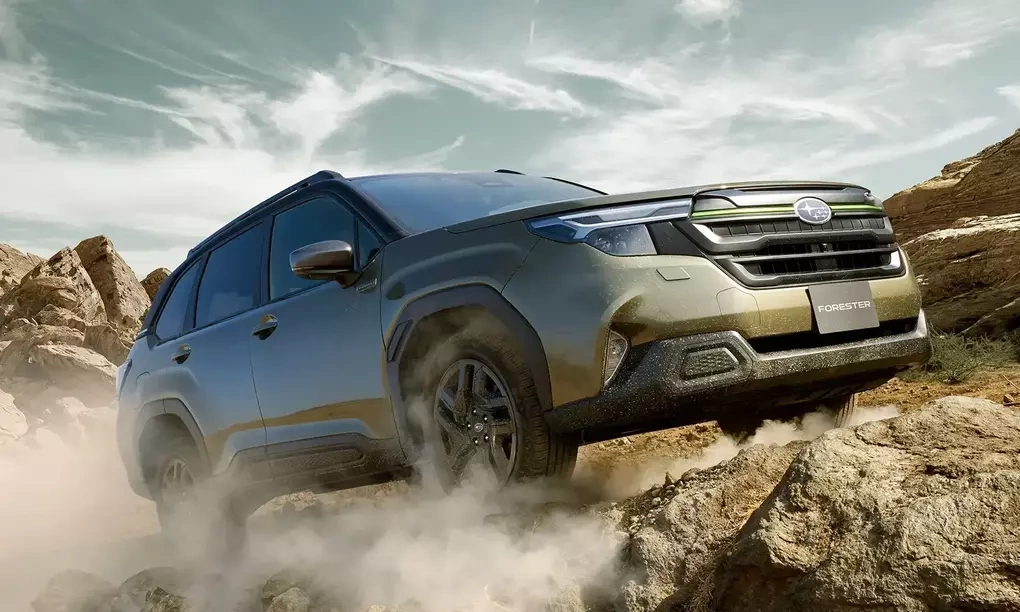
Entering the market in early November, the Subaru Forester hybrid brings advanced electrification to one of the brand’s most trusted nameplates. Imported directly from Japan, this variant is positioned at a higher price point compared to the traditional pure-gasoline versions currently retailed in Vietnam, which range from 1.299 to 1.399 billion VND.
Hybrid Architecture and Capabilities
The primary differentiator in the Forester hybrid is the integration of an electric motor producing 118 horsepower and 270 Nm of torque, paired with a 1.1 kWh lithium-ion battery pack. Working in tandem with a 2.5-liter gasoline engine—which delivers 162 horsepower and a peak torque of 209 Nm—the hybrid system yields a combined total output of 194 horsepower.
Power is channeled through an eCVT transmission and Subaru’s signature symmetrical all-wheel-drive (AWD) system, ensuring uncompromised handling across varied terrain. While specific feature sets for the Vietnamese market remain unconfirmed, industry observers anticipate a comprehensive suite of EyeSight driver-assistance technologies.
GAC Expands Footprint with S7 SUV and M8 PHEV
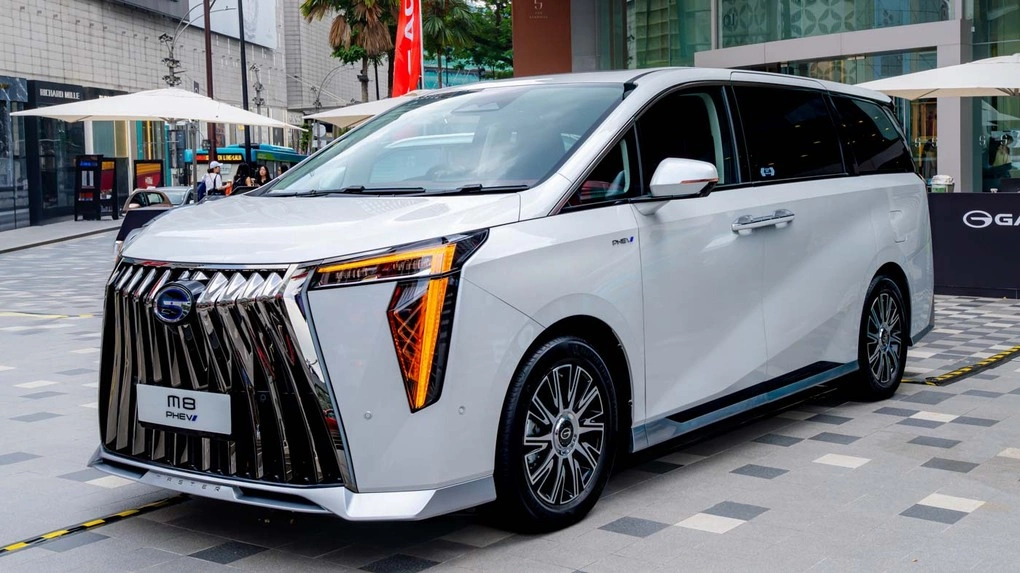
Following the initial market entry of the GS8, Chinese automotive conglomerate GAC is deepening its footprint in Vietnam by introducing two sophisticated electrified models in December: the GAC S7 mid-size SUV and the GAC M8 PHEV.
GAC S7: Plug-In Hybrid SUV with Range Rover Design Cues
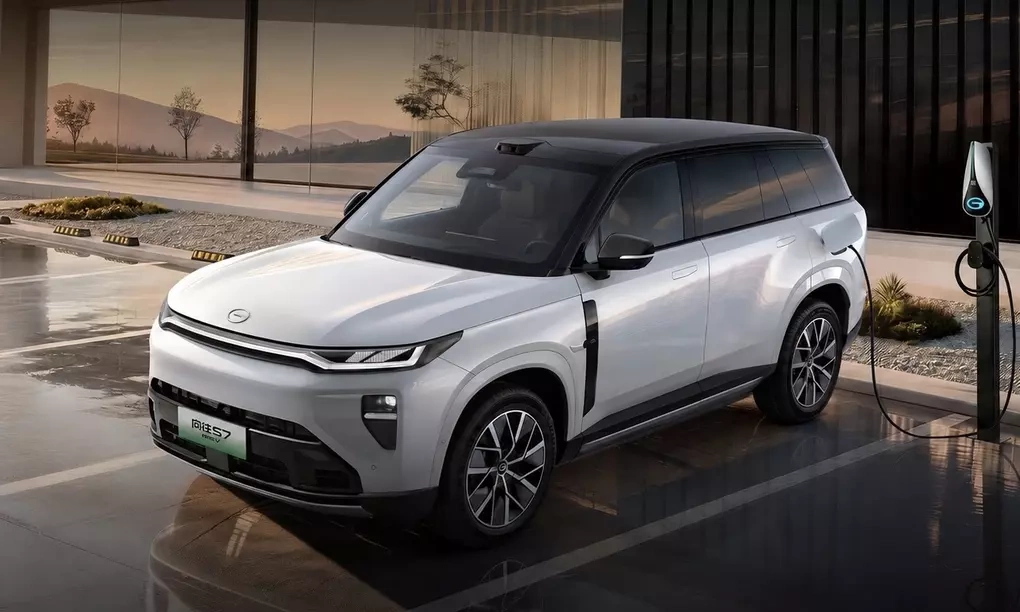
The GAC S7 is a D-segment SUV configured as a plug-in hybrid electric vehicle (PHEV) and imported directly from China. Slightly more compact than the GS8, the S7 adopts a boxy, commanding exterior design language that draws visual parallels to the iconic Range Rover models produced by Land Rover.
In its domestic market, the S7’s hybrid powertrain combines a 1.5-liter turbocharged gasoline engine (158 horsepower, 220 Nm of torque) with an electric motor generating 268 horsepower and 280 Nm of torque in front-wheel-drive (FWD) configurations. The all-wheel-drive (AWD) variant incorporates an additional rear electric motor producing 107 horsepower and 143 Nm of torque.
Equipped with a substantial 36.3 kWh lithium-ion battery pack, the S7 delivers impressive range figures under the CLTC standard. Combined driving range reaches 1,150 km for the FWD variant and 1,020 km for the AWD variant. When operating in pure electric mode, the vehicle can travel up to 205 km and 180 km respectively, making it exceptionally well-suited for daily urban commuting without consuming fossil fuels.
GAC M8 PHEV: Luxury MPV Goes Plug-In
The GAC M8 currently occupies the upper echelon of Vietnam’s luxury MPV segment with its pure gasoline configurations, priced between 1.699 and 2.199 billion VND. To counter rising competition, GAC is introducing the plug-in hybrid variant (PHEV) in December, aligning its launch with the S7 SUV.
Specifications for the Southeast Asian regional specifications of the M8 PHEV center around a 2.0-liter turbocharged engine paired with an electric motor, delivering a combined system output of 372 horsepower and a robust 630 Nm of torque, channeled to the front wheels. A 25.57 kWh battery pack enables a pure electric driving range of approximately 120 km, with support for DC fast charging up to 40 kW. Specific interior comfort amenities for the Vietnamese market will be announced closer to the official launch date.
Mitsubishi Outlander: Fourth-Generation MHEV Debut
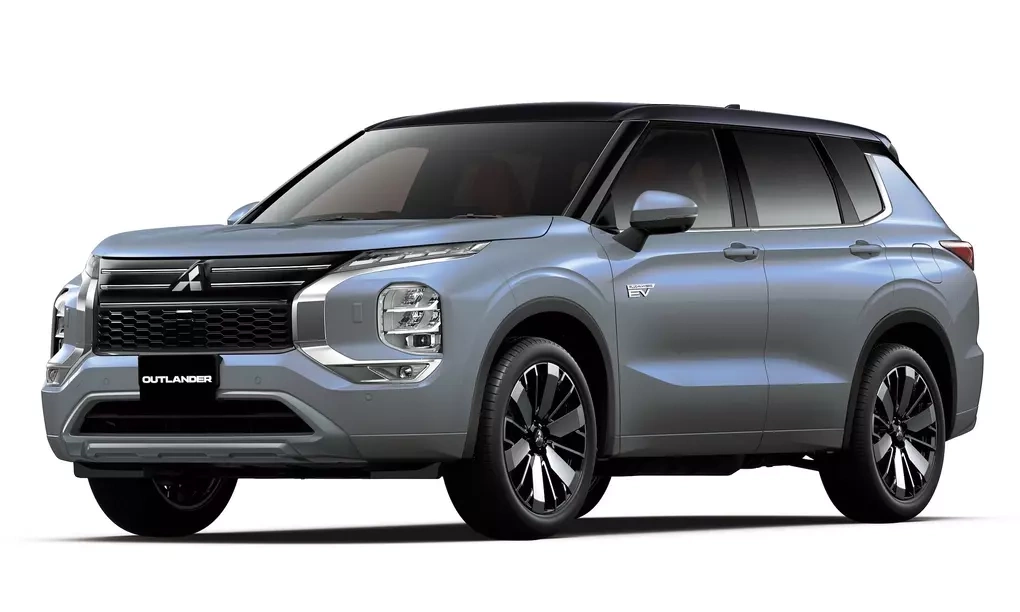
Mitsubishi is revitalizing its presence in the Vietnamese C-SUV segment by introducing the fourth-generation Outlander in December. Unlike previous locally assembled iterations, the new generation will be imported as a CBU unit from Japan and features a mild-hybrid powertrain.
Performance and Positioning
The Outlander’s MHEV configuration utilizes a 1.5-liter turbocharged engine paired with a 48-volt mild-hybrid electrical assistance system. This setup produces an output of 174 horsepower and 279 Nm of torque, managed by a Continuously Variable Transmission (CVT).
Stylistically, the new Outlander adopts a muscular, athletic silhouette. In terms of dimensions, it maintains a commanding physical presence that surpasses the Mitsubishi Destinator, a C-segment CUV currently retailed in Vietnam at prices ranging from 780 to 855 million VND. Positioned as a more premium offering than the Destinator, the new Outlander aims to capture buyers seeking refined Japanese engineering and advanced safety equipment.
iCaur V23 and V27: Chery’s Sub-Brand Launches Local Production
Marking a significant milestone for local manufacturing, iCaur—an independent sub-brand under Chery (similar to Omoda and Jaecoo)—is set to launch its commercial operations in Vietnam in December with two high-profile high-riding models: the V23 and V27. Both vehicles will be locally assembled at the Gel – O&J manufacturing facility in Hưng Yên province.
iCaur V23: Compact Electric CUV with Rugged Styling
The iCaur V23 is a compact, pure electric CUV characterized by a rugged, Boxy, and unconventional design aesthetic. While its overall footprint is more compact than traditional B-segment vehicles, its extended wheelbase rivals that of larger C-segment models.
In regional markets, the V23 is offered in two distinct configurations:
- Standard (2WD): Features a rear-mounted electric motor producing 135 horsepower and 180 Nm of torque, paired with a 59.93 kWh battery providing a 360 km driving range.
- Long Range (4WD): Utilizes dual electric motors (one on each axle) delivering a combined output of 209 horsepower and 292 Nm of torque, powered by an 81.76 kWh battery yielding a 430 km range.
Both battery variants support DC fast charging ranging from 85 to 104 kW, alongside a 3.3 kW Vehicle-to-Load (V2L) capability, allowing the vehicle to power external electronic equipment.
iCaur V27: Extended-Range Electric SUV (EREV)
Positioned as a larger sibling to the V23, the iCaur V27 enters the D-segment SUV category utilizing an Extended-Range Electric Vehicle (EREV) powertrain. The V27 incorporates a 1.5-liter turbocharged gasoline engine that acts exclusively as an onboard generator to recharge a 34.31 kWh battery pack, without mechanically driving the wheels.
The dual-motor all-wheel-drive variant (iWD) generates a combined output of 335 horsepower and 505 Nm of torque. It offers a pure electric driving range of 200 km and a total combined range of up to 1,200 km. Additionally, the vehicle supports 100 kW DC fast charging, capable of replenishing the battery from 10% to 80% in approximately 17 minutes.
Market Implications and Outlook
The introduction of these diverse models in the closing weeks of 2026 underscores the profound transformation underway within the Vietnamese automotive sector. With legacy manufacturers introducing hybrid architectures to meet tightening emissions standards and new entrants leveraging local assembly to optimize pricing, consumers face an unprecedented array of choices. As dealerships prepare for the year-end delivery rush, competitive pressures are expected to intensify, ultimately benefiting buyers seeking advanced safety, enhanced fuel economy, and cutting-edge automotive technology.