Hanoi Proposes Direct Allocation of Social Housing to Address Critical Living Conditions in Hoan Kiem District

In a significant policy shift aimed at addressing the severe housing crisis facing its most vulnerable residents, the Hanoi People’s Committee has submitted a formal proposal to the City People’s Council. The initiative seeks to bypass the traditional lottery-based selection process for social housing, allowing for the direct allocation of units to households currently residing in dangerously overcrowded conditions within the historic Hoan Kiem District. This proposal, scheduled for deliberation during a special session of the City People’s Council on October 28, 2026, marks a pivotal move to modernize urban living standards and ensure the safety of citizens living in the capital’s oldest quarters.
The Urgency of the Urban Crisis
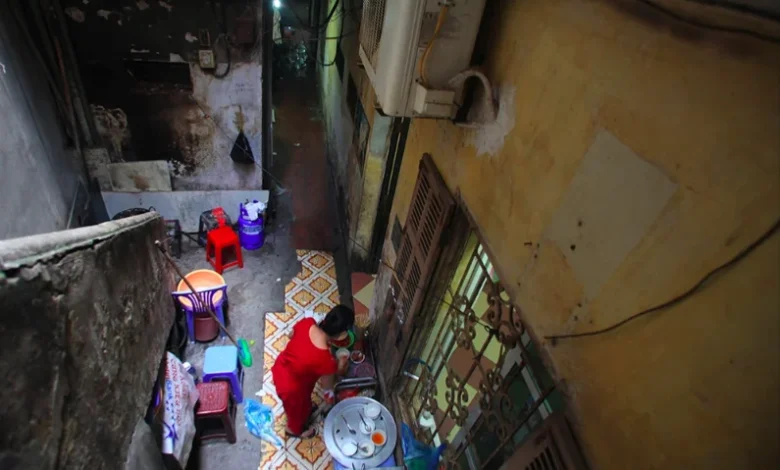
The proposal stems from a comprehensive audit conducted by the Hoan Kiem District People’s Committee, which revealed an alarming reality for residents living in the district’s core. Currently, approximately 902 households, comprising 3,621 individuals, are living in extremely dense residential structures where the average floor area is less than 5 square meters per person. Many of these families reside in multi-generational units where total living space for four or more people is often less than 20 square meters.
These conditions are not merely a matter of inconvenience; they represent a significant public health and safety risk. The majority of these dwellings are located deep within narrow, labyrinthine alleyways where access for emergency services—such as fire engines or ambulances—is virtually non-existent. The structural integrity of many of these older buildings is failing, and outdated electrical systems often struggle to support modern usage, leading to frequent short circuits and elevated fire hazards.
Furthermore, the lack of natural light and ventilation, combined with shared, rudimentary sanitation facilities, creates an environment ripe for the spread of infectious diseases. The long-term health implications for vulnerable demographics, including the elderly, children, and those with pre-existing medical conditions, are severe and require immediate state intervention.
Chronology and Policy Evolution
The issue of housing in Hanoi’s historic center has been a subject of government concern for over a decade. In 2013, the City People’s Committee issued Decision No. 168 to facilitate the relocation of residents from these cramped quarters. However, that initiative largely stalled, primarily due to the lack of available housing stock specifically earmarked for this demographic.
For years, the standard procedure for obtaining social housing involved a competitive lottery system, which failed to prioritize those living in the most hazardous conditions. The new proposal acknowledges the systemic failure of this approach. By moving to a direct allocation system, the city aims to finally break the cycle of stagnation that has left thousands of residents in unsafe housing.
The current plan follows a strategic roadmap:

- Initial Phase (2026): Allocation of 552 units across nine designated social housing projects.
- Secondary Phase: Continued evaluation of the program’s impact and potential expansion to other districts.
- Long-term Goal: Alignment with the Master Plan for Hanoi’s development through the next century, focusing on urban renewal and the improvement of the capital’s architectural and social fabric.
Criteria for Eligibility and Allocation
To ensure the transition is equitable and transparent, the city has established strict eligibility requirements. Applicants must have registered permanent residency within the targeted Hoan Kiem residential areas prior to the enactment of the new resolution. They must also meet the legal criteria for social housing ownership or rental, and voluntarily agree to relocate, surrendering their previous, inadequate living space to the municipal authorities to prevent further density issues.
In instances where the number of applicants exceeds the available units at a specific project, the city has implemented a tiered priority system:
- Density Factor: Households with the lowest per-capita living space are given first preference.
- Social Vulnerability: Households including the elderly, persons with disabilities, and low-income earners are prioritized.
- Application Timing: Preference is given based on the date of registration, with subsequent overflow handled through placements in alternative projects.
Strategic Distribution of Housing Stock
The city has identified 902 units across nine distinct social housing projects to accommodate the relocation. These sites have been selected based on their proximity to public transport hubs, specifically those near planned urban railway lines, and the availability of essential social infrastructure such as schools, healthcare clinics, and markets.
| Project Name | Location | Available Units |
|---|---|---|
| X2 Tran Phu Housing Project | Hoang Mai District | 24 |
| DM1 Urban Function Zone (CT1, CT3) | Dai Mo Ward | 50 |
| Km17, National Highway 32 | Dan Phuong District | 73 |
| Dong Truc Social Housing | Thach That District | 44 |
| Tan Xa Social Housing | Thach That District | 20 |
| Vinh Hung High-Rise Housing | Hoang Mai District | 92 |
| Minh Duc Project (CT Plots) | Me Linh District | 97 |
| Minh Giang – Dam Va Expansion | Me Linh District | 75 |
| Phuc Thanh Project | Phuc Thanh Ward | 77 |
Implications for Urban Governance
The shift toward direct allocation represents a fundamental change in how the municipal government manages urban welfare. By focusing on the most "at-risk" citizens, the city is moving toward a more targeted, needs-based governance model.
From an economic perspective, the project serves as a catalyst for urban renewal. By clearing out hazardous, high-density residential clusters, the city creates the opportunity to preserve historical buildings while simultaneously improving the safety and aesthetic value of the central district. Furthermore, the relocation policy requires that once a family moves to a new unit, they must fully transfer their household registration, ensuring that the vacated properties do not become magnets for new, illegal, or overcrowded housing.
Challenges and Future Outlook
Despite the optimism surrounding the proposal, urban planners note that challenges remain. The success of this policy depends heavily on the integration of the newly relocated families into their new communities. Social housing projects are not merely about providing four walls and a roof; they require robust social services, including job placement assistance for residents who were previously engaged in informal labor in the city center.
Most of the residents affected by this policy work as casual laborers with unstable, low incomes. The city recognizes that for this transition to be sustainable, the housing must remain affordable, and the new locations must be economically viable for the residents. The decision to prioritize locations with strong public transit connectivity is a direct response to this need, allowing residents to maintain access to their places of work while enjoying vastly improved living standards.
As the City People’s Council prepares to vote on October 28, the atmosphere among affected residents is one of cautious hope. If passed, this resolution will serve as a landmark case study in how a rapidly developing megacity can balance the preservation of its historic core with the fundamental right to safe, dignified housing for all its citizens. The outcome of the upcoming session will likely set the precedent for future urban renewal projects across the nation, emphasizing that humanitarian considerations must remain at the forefront of modern urban development.