Thanh Da Apartment Complex in Ho Chi Minh City plans to initiate forced relocation of remaining residents in November 2026

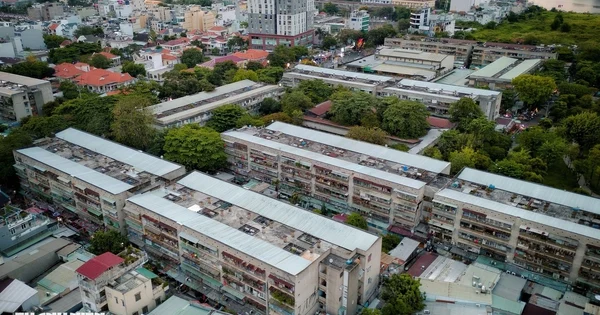
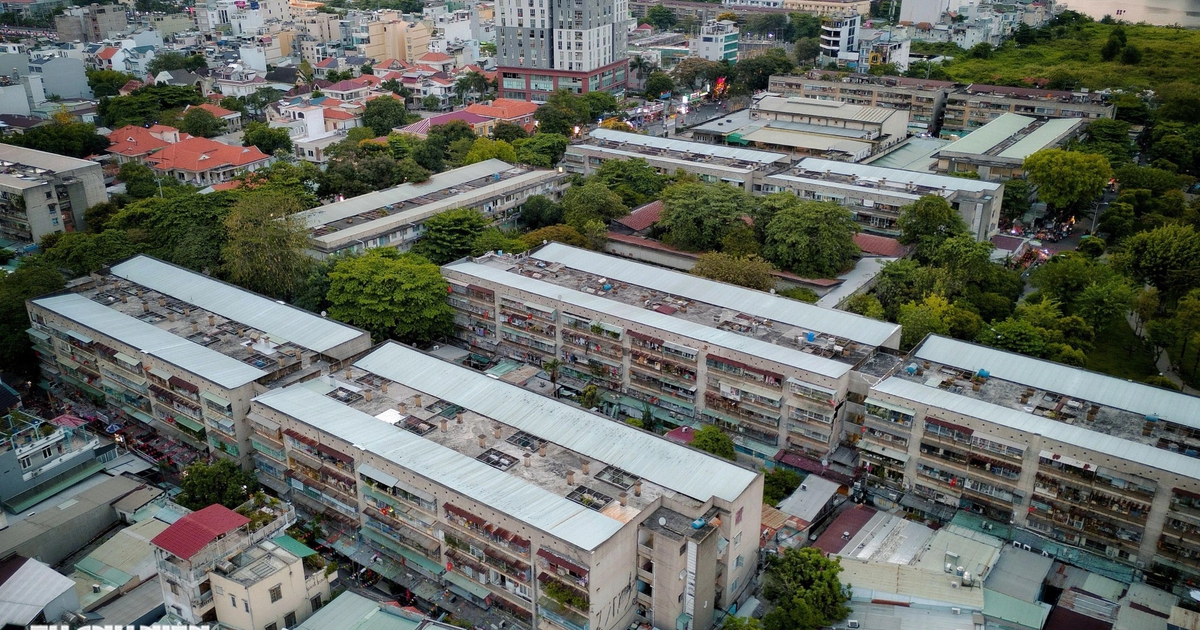
The long-standing saga of the Thanh Da apartment complex in Ho Chi Minh City’s Binh Thanh District is approaching a definitive conclusion. Local authorities have announced that they are preparing to carry out forced relocation procedures for the remaining 171 households within the complex during November 2026, marking a critical step in a redevelopment project that has spanned nearly a decade of administrative and logistical challenges.
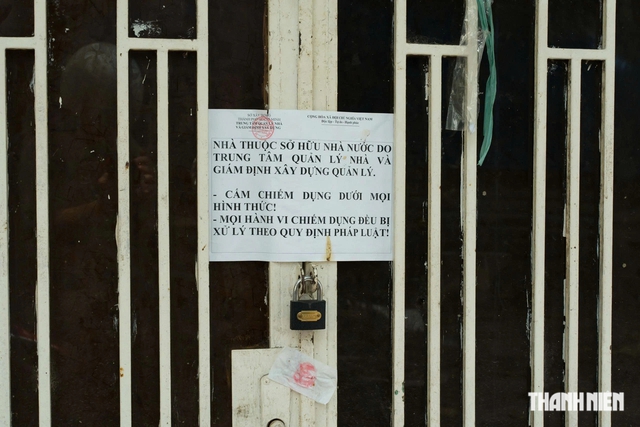
As of October 28, 2026, the relocation and compensation process had achieved a significant milestone, with 1,183 out of 1,354 total units successfully vacated. This represents an 87.38% completion rate for the site clearance project, which officially commenced in October 2025. Despite this progress, the final 12.62% of the population remains in the dilapidated structures, necessitating the government’s move toward formal enforcement measures to ensure the project’s timeline remains viable.
Chronology of a Decaying Landmark
The Thanh Da apartment complex, once considered a symbol of modern urban living in the former Saigon, holds a complex history. Constructed between 1968 and 1972, the residential cluster served as a hallmark of high-density housing for the era. However, after more than five decades of wear and tear, the structures have significantly degraded, posing severe safety risks to the occupants.
The urgency for redevelopment became apparent in 2017 when the Ho Chi Minh City People’s Committee designated the Thanh Da Housing Development Joint Stock Company as the primary investor for a comprehensive project. The plan covers approximately 73,211 square meters, involving the redevelopment of eight apartment blocks. Despite the clear necessity for renewal, the project faced years of stagnation due to funding complexities, regulatory hurdles, and intense negotiations regarding compensation frameworks. It was not until June 2025 that the current, more robust compensation and resettlement plan was finally approved, providing the legal foundation for the current relocation efforts.
The Enforcement Phase
Following a directive from the Chairman of the Ho Chi Minh City People’s Committee, Binh Thanh District authorities escalated their efforts in mid-October 2026. Between October 14 and October 17, the Binh Thanh District administration issued and delivered 250 enforcement notices for relocation to residents living in blocks 1, 2, 8, 9, 10, and 11.
Nguyen Tien Phuoc, Head of the Economic and Infrastructure Department of Binh Thanh District, noted that this group includes two distinct categories: those who have verbally agreed to relocate but have yet to officially hand over their premises, and those who have remained resistant to the government’s proposal.
To manage the final transition, Binh Thanh District has established six dedicated task forces. These groups, led by members of the Ward Party Committee, are tasked with conducting face-to-face consultations, addressing individual concerns, and finalizing the administrative requirements for the remaining residents. The goal is to clear the site entirely by the end of November 2026, allowing the construction phase to begin without further delay.
Financial Compensation and Support Structures
A critical component of the current success in the relocation effort is the updated compensation policy, which was tailored to address the concerns of long-term residents. The authorities have maintained a policy of frequent consultation with the project investor to ensure that the compensation packages are not only legally compliant but also reflective of current market conditions and the specific needs of the displaced families.
Key elements of the current compensation package include:
- Property Valuation: The compensation rate for residential units has been set at 52 million VND per square meter.
- Adjustment Coefficients: The ‘K’ factor, which adjusts compensation based on the unit’s specific characteristics, is set at 1.29 for ground-floor units and 1.17 for upper-level units.
- Resettlement Bonuses: Beyond the base compensation, the investor provides additional support, including 300 million VND for ground-floor households and 200 million VND for residents on floors 1 through 3.
- Temporary Living Support: The monthly stipend for temporary living costs has been increased from 8 million VND to 12 million VND for families with fewer than four members. For families larger than this, an additional 3 million VND is provided for every extra family member.
- Business Support: For households operating businesses within the complex, an additional 57 million VND is granted per case to cover relocation and transition costs, over and above the standard moving subsidies.
According to Mr. Phuoc, this revised financial support structure has been instrumental in gaining the cooperation of the majority of the residents, who have expressed satisfaction with the improved terms compared to previous proposals.
Broader Urban Implications and Safety Concerns
The demolition and reconstruction of the Thanh Da complex represent a broader strategy by the Ho Chi Minh City government to modernize aging, high-density residential areas that no longer meet safety or structural integrity standards. The city’s urban renewal mandate prioritizes the transition of these aging "old" apartments into safe, modern, and aesthetically pleasing living environments.
The project is expected to unfold over a three-year construction period. Once completed, it is intended to provide the current residents with modern, secure, and dignified housing. However, the process highlights the inherent difficulties in urban redevelopment, particularly when dealing with long-standing communities where property rights and historical attachments are deeply embedded.
For the residents, the move is a transition from a physically compromised environment to a modern one, though it involves the stress of leaving a home they may have occupied for decades. For the city, successfully clearing the Thanh Da site is seen as a litmus test for future urban renewal projects across the metropolitan area. The administration’s focus remains on balancing the public interest in safety and urban planning with the private rights and economic security of the displaced families.
Moving Forward
As November 2026 approaches, the tension between the legal requirement to vacate the premises and the human element of relocation remains palpable. The district authorities maintain that they are committed to a transparent and fair process. By utilizing the six task forces to maintain constant dialogue, the government hopes to avoid the need for extreme measures, preferring instead to reach a consensus with the remaining 171 households.
The progress of the Thanh Da project serves as a case study in the evolution of urban development in Ho Chi Minh City. By learning from the delays of the past and implementing more competitive compensation models, the city has successfully moved the project into its final, most critical phase. The coming weeks will be pivotal as the Binh Thanh District administration works to finalize the resettlement of these families, effectively closing the chapter on one of the city’s most challenging urban renewal efforts and paving the way for a more sustainable, modern living space for the residents of Thanh Da.