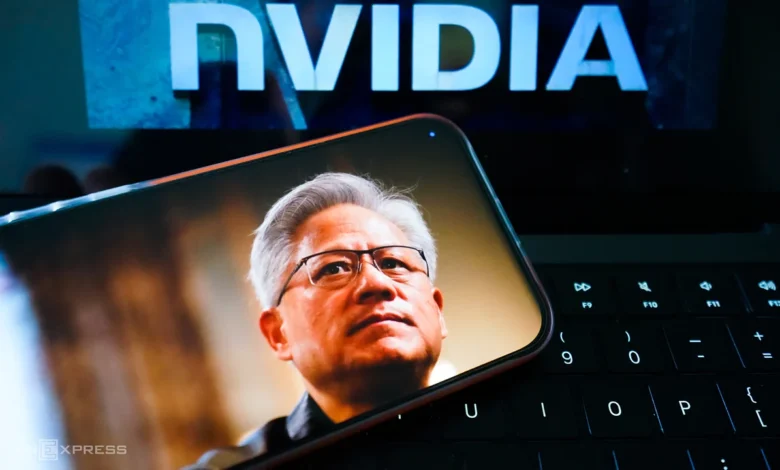
The resignation of Jensen Huang, the long-standing chief executive officer and co-founder of Nvidia, on November 12, 2026, has sent shockwaves through the global technology sector. The departure follows a series of revelations regarding the executive’s personal conduct, which have raised serious questions about corporate governance and security at one of the world’s most valuable companies. According to reports from Reuters, the situation escalated when it was disclosed that Huang maintained intimate relationships with multiple employees, a direct violation of Nvidia’s internal ethical policies regarding workplace relationships.
A Timeline of the Corporate Crisis
The unfolding of events began in early November 2026, when internal investigations and subsequent media reports brought the private life of the CEO into the public sphere. On November 8, 2026, Huang issued a formal communication to Nvidia employees, acknowledging that his personal life had become a matter of public scrutiny. In that message, he admitted to marital infidelity and took full responsibility for his actions, signaling an awareness of the potential fallout for the firm.
By November 9, 2026, the situation grew significantly more complex as international tensions surfaced. Intelligence agencies reportedly launched an inquiry into whether Huang had been a target of foreign espionage. This investigation specifically centered on his relationship with Alice Huang, a former executive at the cloud computing firm Megaspeed. United States intelligence sources expressed concern that the relationship could have been exploited by foreign actors, specifically linking Alice Huang to activities associated with Chinese intelligence operations.
The Ministry of Foreign Affairs in Beijing issued a swift response on November 9, categorically denying the allegations against Alice Huang. The Chinese government dismissed the reports as "baseless speculation and a smear campaign" against Beijing, further complicating the geopolitical dimension of the scandal.
Following the mounting pressure, the Nvidia board of directors convened an emergency session. On November 12, 2026, the company officially announced that Jensen Huang had stepped down from his role. The board appointed Chief Financial Officer Colette Kress as the interim CEO while a global search for a permanent successor is conducted.
Scope of the Allegations
The ethical concerns regarding Huang involve more than just a single instance of workplace misconduct. Reports indicate that the former CEO had a history of engaging in intimate relationships with subordinates. While Alice Huang and Kimberly Powell, Nvidia’s Vice President in charge of the healthcare division, were the first individuals named in the context of these reports, recent disclosures suggest that at least one other, yet-to-be-identified employee was involved in a similar relationship.
Nvidia’s corporate policy, like that of many S&P 500 companies, maintains strict guidelines regarding executive-level relationships. The primary intent of such policies is to prevent conflicts of interest, power imbalances, and potential liabilities that could arise from intimate involvement between senior leaders and their direct or indirect reports. The revelation that multiple relationships existed suggests a systemic failure in the internal oversight mechanisms that were meant to enforce these standards.
Data and Corporate Context
To understand the magnitude of this departure, one must consider the trajectory of Nvidia under Huang’s leadership. Since co-founding the company in 1993, Huang has been the face of Nvidia for 33 years. During this time, he transformed the entity from a niche manufacturer of graphics processing units (GPUs) for the gaming industry into the world’s leading provider of accelerated computing hardware, essential for the modern artificial intelligence revolution.
As of late 2026, Nvidia’s market capitalization remains in the trillions, making it a cornerstone of the global economy and a critical supplier to the world’s largest tech conglomerates. The company’s hardware is the backbone of generative AI models, autonomous driving systems, and massive data centers.
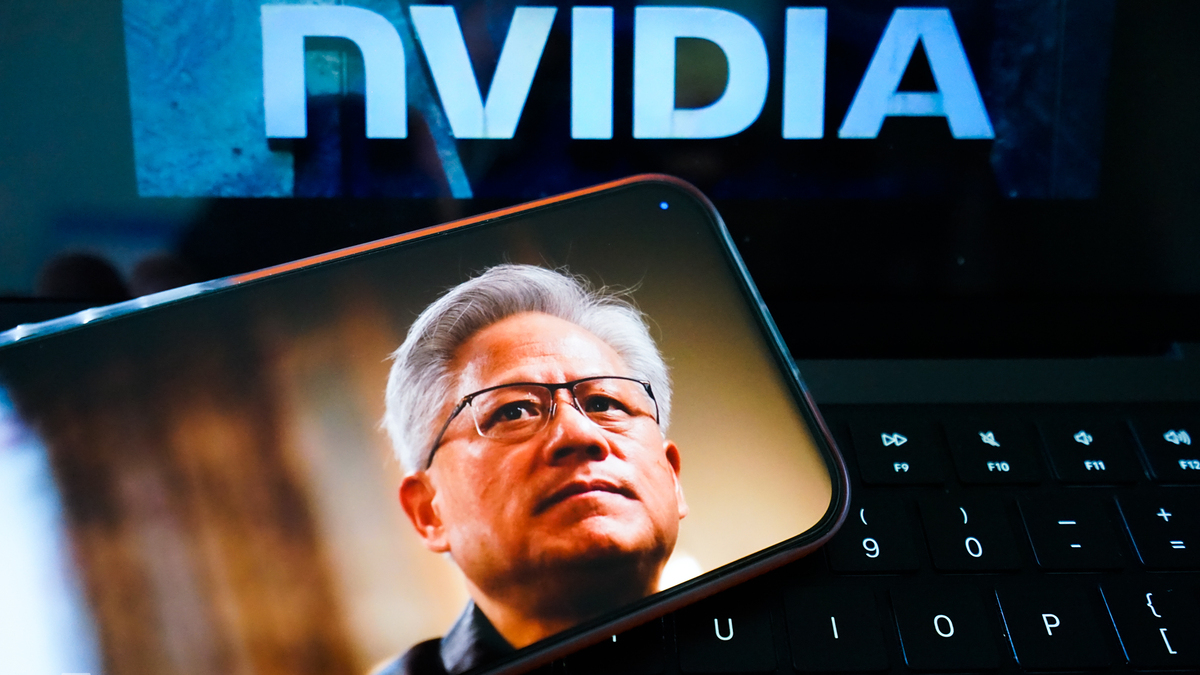
The financial stability of the firm is currently being managed by Colette Kress, who has served as CFO since 2013. Her role as interim CEO is viewed by analysts as a stabilizing move, intended to reassure investors during a period of extreme volatility. However, the company faces significant hurdles, including the potential for internal restructuring and the necessity of repairing its reputation among clients and government regulators who rely on Nvidia’s technology for national security-related infrastructure.
The Security Implications of the Scandal
Perhaps the most damaging aspect of this story is the potential breach of national security. Because Nvidia holds a dominant position in the AI chip market, the company is deeply integrated into the security frameworks of multiple nations.
The involvement of intelligence agencies in the investigation of Alice Huang suggests that there was a fear that sensitive intellectual property or strategic roadmaps regarding AI development could have been compromised. While there is no evidence at this stage that classified data was leaked, the mere perception of a security vulnerability in a company of Nvidia’s caliber is sufficient to trigger intense scrutiny from the U.S. Department of Commerce and the Committee on Foreign Investment in the United States (CFIUS).
Market and Industry Reactions
The departure of a visionary leader like Huang typically leads to a period of institutional drift. Analysts at major investment banks have noted that while the fundamental demand for Nvidia’s products remains high, the loss of Huang’s leadership creates a "key-man risk." Investors are currently watching to see if the board of directors can maintain the company’s aggressive R&D roadmap without the architect of its success at the helm.
Furthermore, the board is currently conducting an independent review to determine the extent of the internal fallout. This review is not limited to the relationships themselves but extends to the corporate culture that permitted these actions to persist for years without intervention. Investors are demanding transparency, and many are calling for a complete overhaul of the board’s governance committee.
Broader Implications for Tech Leadership
This scandal serves as a stark reminder of the heightened expectations for corporate executives in the digital age. In an era where tech companies hold immense power over information, logistics, and critical infrastructure, the personal lives of CEOs are increasingly viewed through the lens of institutional risk.
The "Me Too" era, combined with the current atmosphere of geopolitical competition, has created an environment where corporate leaders are held to higher standards of transparency. For Nvidia, the path forward requires not only a new CEO but also a re-establishment of trust. The company must prove to its shareholders, customers, and the public that it is capable of operating with integrity, independent of the actions of any single individual.
As the industry looks ahead, the legacy of Jensen Huang will likely be debated in two parts: his unparalleled contributions to the field of accelerated computing and the circumstances surrounding his abrupt exit. For now, the focus remains on the transition of power and the containment of the legal and security challenges that persist in the wake of his resignation.
Nvidia has declined to comment further on the specific details of the internal investigation, maintaining that it is focused on ensuring business continuity. As the investigation progresses, the company will likely face ongoing media scrutiny and potential regulatory inquiries, necessitating a robust communications and legal strategy to navigate the months ahead. The case remains a landmark example of how personal conduct can irrevocably alter the course of even the most powerful technological titans.