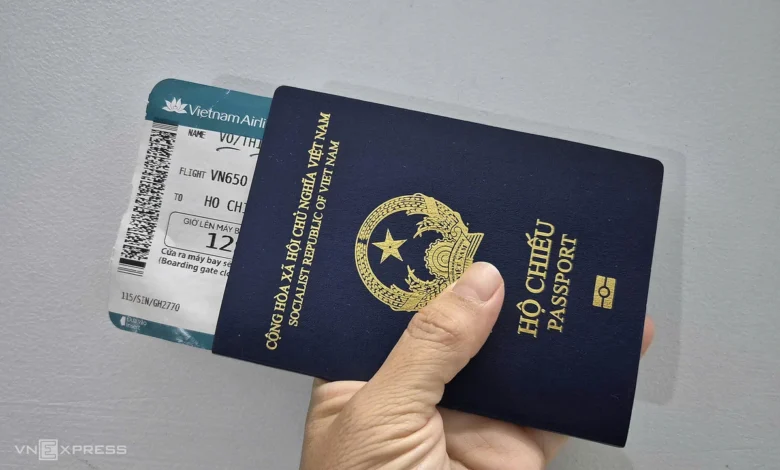
The upcoming Lunar New Year (Tet) period for the Year of the Goat (Dinh Mui 2027) is witnessing a sharp escalation in domestic airfare prices, creating significant financial strain for travelers planning to return to their hometowns. With ticket prices for one-way flights from Ho Chi Minh City to Central and Northern provinces now ranging between 4 million and 5 million VND, many families are being forced to restructure their travel itineraries or seek alternative modes of transportation. This year’s market behavior reflects a convergence of early holiday planning, increased international tourism demand, and the complex economic realities of airline operational capacity.
Early Demand and Market Dynamics
The 2027 Tet holiday schedule was finalized earlier than in previous years, prompting the traveling public to begin searching for tickets as early as August 2026. This proactive behavior, while intended to secure lower fares, has inadvertently created a surge in demand during the peak travel window between January 25 and January 29, 2027.
Travel agents report that the pricing structure for the 2027 season is approximately 5% to 7% higher compared to the same period last year. The primary mechanism driving these increases is the dynamic pricing model utilized by domestic carriers. As lower-tier, budget-friendly fare buckets are exhausted, passengers are left with higher-priced inventory. For many families, the cumulative cost for a round trip for four people has exceeded 40 million VND, a figure that is nearly double the expenditure from the previous year.
Real-world Impact on Travelers
The financial burden has forced a shift in consumer behavior. For instance, Mrs. Hoa, a resident of An Hoi Ward, Ho Chi Minh City, who traditionally books flights to Chu Lai in November, found that even her early efforts failed to secure standard-rate tickets for her preferred dates of January 30 and February 14, 2027. Last year, tickets for this route were priced between 2.4 and 2.6 million VND one-way; however, current availability is dominated by premium fares ranging from 3.9 to 5 million VND. To mitigate these costs, many families are opting for "multi-modal" travel, such as flying into major hubs like Da Nang and then utilizing ground transportation to reach their final destination, a strategy expected to save some travelers upwards of 20 million VND.
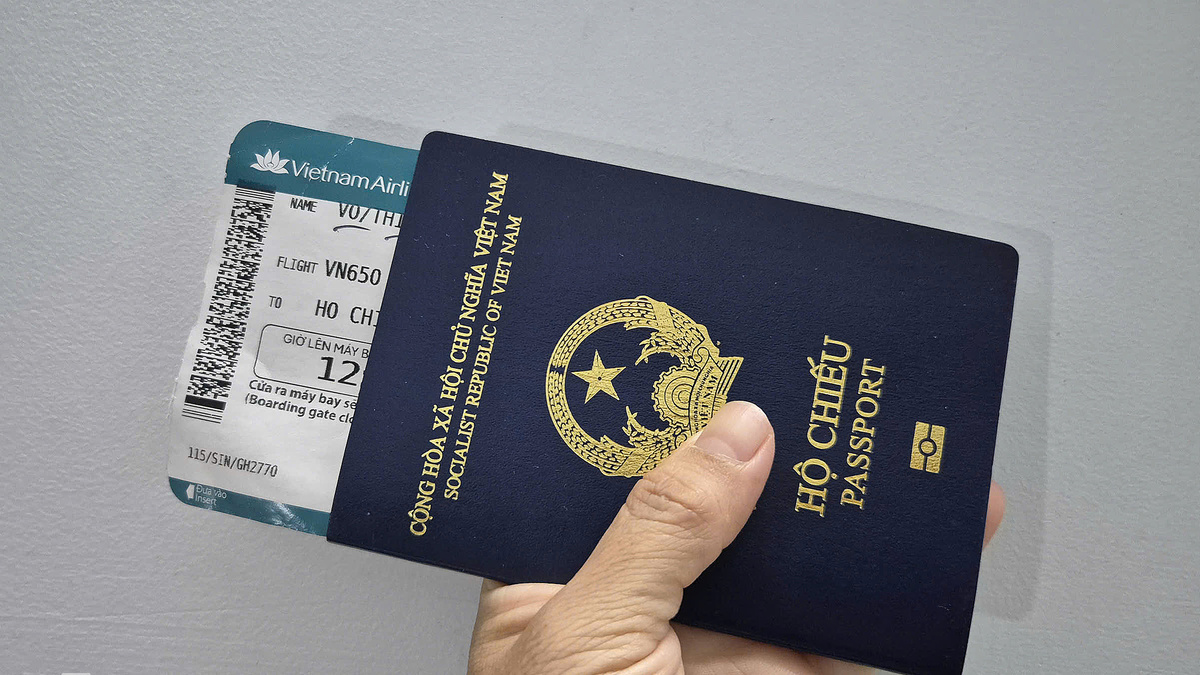
Similarly, Mrs. Hong, a resident of Gia Dinh Ward, shared that her family’s initial budget of 23 million VND for round-trip tickets to Thanh Hoa was rendered obsolete within a month. As the price climbed to 38 million VND, she began considering long-distance bus travel and delaying her departure date to capitalize on lower off-peak pricing.
Chronology of the 2027 Tet Air Travel Season
- August 2026: The Ministry of Transport solicits public feedback on the official 2027 Tet holiday schedule, encouraging early planning.
- October 2026: Initial surge in booking inquiries for peak dates (late January 2027).
- November 2026: Budget fare buckets on high-traffic routes (HCMC to Northern/Central provinces) begin to deplete, causing a notable price spike.
- January 2027 (Projected): Peak travel volume commences; airlines activate additional capacity in night and early morning time slots.
Airline Capacity and Operational Challenges
Domestic airlines have responded to the high demand by increasing seat supply, though they face inherent challenges regarding the "directional imbalance" of traffic. Before Tet, the primary demand is for flights from HCMC to provinces in the North and Central regions. Conversely, after the holiday, the flow of passengers reverses.
To manage this, airlines often face the challenge of flying near-empty planes on return legs. Consequently, revenue from the high-demand, high-price legs must offset the operational costs of the low-demand return legs. This is why ticket prices for "reverse" routes (e.g., from the North/Central back to HCMC before Tet) are often significantly cheaper, sometimes as low as 700,000 to 1.4 million VND, despite these flights often not selling out.
Major carriers have announced substantial increases in capacity for the 2027 season:
- Vietjet Air: Has announced a supply of 3.1 million seats across domestic and international routes, representing a 6% increase over the previous year.
- Vietnam Airlines Group: Plans to provide nearly 3.7 million seats between January 22 and February 20, 2027, an 11% increase compared to 2026. This includes significant capacity boosts on key routes: 15.4% for HCMC – Hanoi, 7% for HCMC – Da Nang, and 6% to 13% for routes to Hai Phong, Thanh Hoa, Vinh, and Hue.
Strategic Adjustments by Carriers
To alleviate the pressure on peak hours, airlines are scheduling more flights during "red-eye" windows—between 9:00 PM and 5:00 AM. These flights now account for approximately 17% of the total Tet capacity. This strategy is intended to allow for more flexible pricing and to utilize the aircraft fleet more efficiently during a period where airport slots are highly contested.
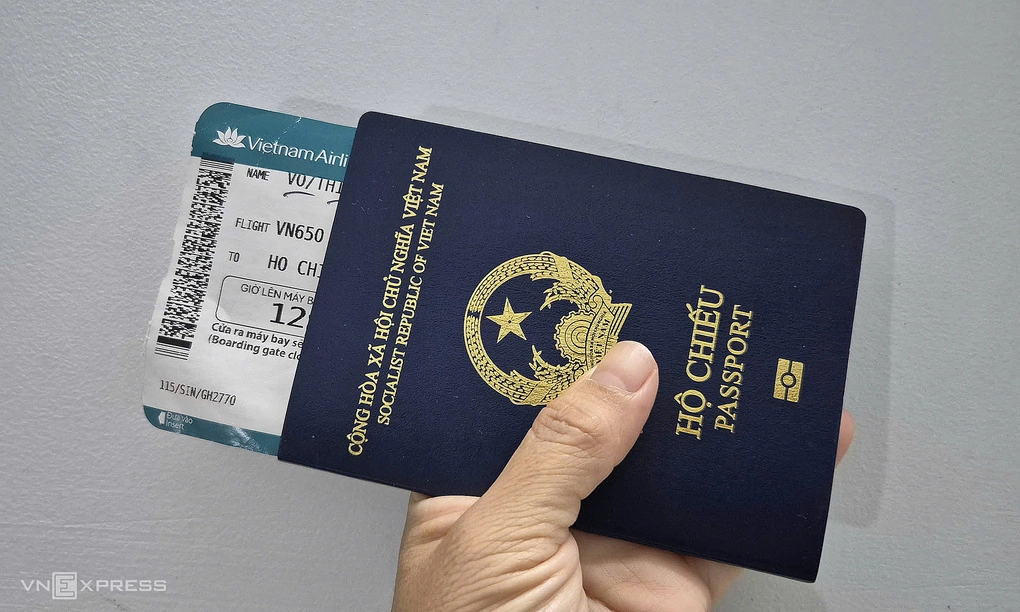
Industry analysts note that while the increase in seat supply is positive, it cannot fully neutralize the impact of rising fuel costs and the limited number of aircraft currently in operation across the domestic fleet. Furthermore, the growth in international tourism has placed additional pressure on the available slots at major airports, limiting the number of extra flights that can be added to the domestic network.
Broader Economic Implications
The rising cost of air travel during the Lunar New Year serves as a microcosm of the broader inflationary pressures currently impacting the Vietnamese service sector. For the average worker, the increased cost of mobility means a smaller portion of their annual savings can be allocated toward family festivities.
Economically, the surge in demand validates the necessity for continued infrastructure investment in airport capacity. As Vietnam’s aviation market matures, the reliance on peak-season travel necessitates more sophisticated demand-management strategies. While airlines strive to maintain a balance between profitability and affordability, the current market trends suggest that "early booking" is no longer a guarantee of low prices, but rather a mandatory requirement to avoid the most exorbitant peak-day surcharges.
Conclusion and Outlook
As the nation approaches the 2027 Dinh Mui Tet, travelers are advised to remain flexible. The disparity in pricing between peak and off-peak days, as well as between different routes, suggests that those willing to travel on off-peak dates or utilize unconventional transit hubs may find more manageable price points. Airlines continue to monitor booking volumes in real-time and have indicated they will consider further adjustments to capacity or inventory release, depending on operational resources and consumer demand patterns throughout the remainder of the pre-holiday period.