Total Prize Pool Reaches 265 Million VND at the Aves Electric Motorcycle Design Competition

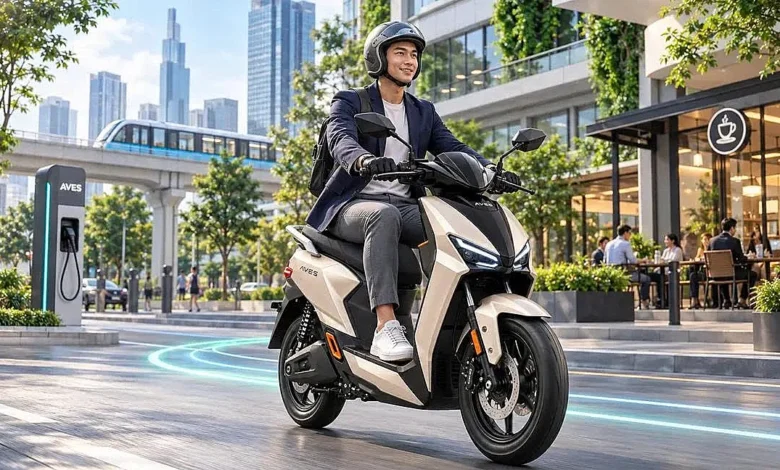
The landscape of sustainable urban mobility in Vietnam is undergoing a transformative shift, driven by a growing emphasis on eco-friendly transportation solutions. Amidst this evolving backdrop, Aves—a technology-driven green energy startup making its debut in the two-wheeled electric vehicle sector—has officially launched a nationwide design competition. Entitled the Aves Future Mobility Challenge, the initiative aims to discover and honor innovative electric motorcycle concepts that seamlessly blend aesthetic appeal with functional practicality tailored specifically to Vietnamese consumers. With a total prize pool valued at up to 265 million VND, the competition seeks to unearth visionary designs that can potentially be integrated into future commercial production lines.
Bridging Imagination and Real-World Application
The competition is structured around two distinct categories: Applied Design and Conceptual Design. By dividing the contest into these specific tracks, the organizing committee hopes to engage a broad demographic, ranging from seasoned industrial designers and professional agencies to everyday technology enthusiasts and creative hobbyists.
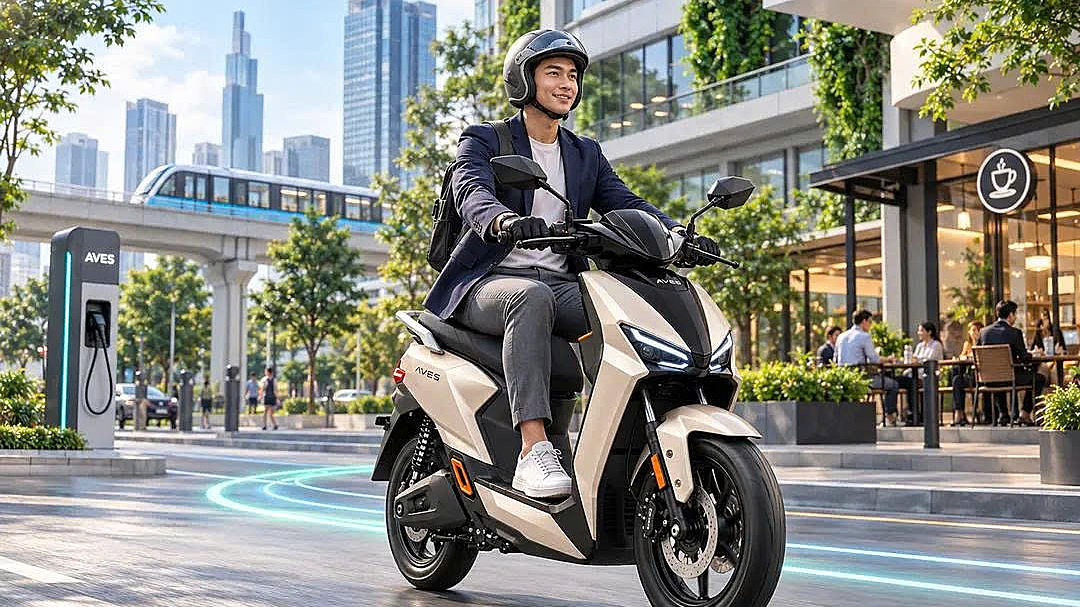
The Applied Design category is tailored for professionals, industrial designers, and students possessing specialized knowledge in design and a deep understanding of the practical commuting needs of Vietnamese riders. Participants in this track are required to present comprehensive dossiers detailing their creative thought processes, including initial concepts, rough sketches, 2D and 3D renderings, volumetric forms, multi-angle perspectives, color palettes, material selections, technical functionalities, and user experience paradigms. Prizes for this category include a First Prize (Xuất Sắc) worth 100 million VND, an Impressive Design Prize (Ấn Tượng) worth 60 million VND, and a Promising Design Prize (Tiềm Năng) worth 40 million VND. Notably, all major prizes in this category include valuable vouchers toward the purchase of Aves electric motorcycles.
Conversely, the Conceptual Design category is designed to be accessible to a wider audience, requiring no formal professional background in industrial design. Instead, this track emphasizes pure creativity, encouraging participants to focus on imaginative, quirky, and aesthetically pleasing concepts that resonate with contemporary consumer preferences. Entrants can leverage basic AI tools and prompt engineering to visualize their ideas and submit their entries without needing advanced technical drafting skills. Prizes for the conceptual track feature a First Prize of 30 million VND, a Second Prize of 15 million VND, and a Third Prize of 10 million VND.
In addition to the primary category awards, the Aves Future Mobility Challenge features a Community Voting Prize valued at 10 million VND, which will be awarded to the submission that garners the highest number of public votes on the official platform. Competitors are permitted to register and submit entries in both categories simultaneously, expanding their opportunities for recognition.
Comprehensive Evaluation and Rigorous Judging Criteria
To ensure fairness and professional integrity, all submissions will undergo a rigorous, independent evaluation process by a distinguished panel of industry experts. Entries will be graded on a 100-point scale assessing originality, feasibility, aesthetic value, and cultural resonance.
According to representatives from the panel of judges, submissions advancing past the initial screening rounds will face an additional layer of scrutiny. Finalists will be required to present their concepts directly and participate in a live Q&A session with the board of judges, defending their design choices, technological integrations, and ergonomic considerations.
Timeline and Key Milestones
The Aves Future Mobility Challenge 2026 commenced its official registration and submission phase at 8:00 AM on September 21, and will continue to accept entries until the deadline on October 27. The online submission portal will officially close on October 28, immediately followed by the opening of the community voting round, which runs through November 4.
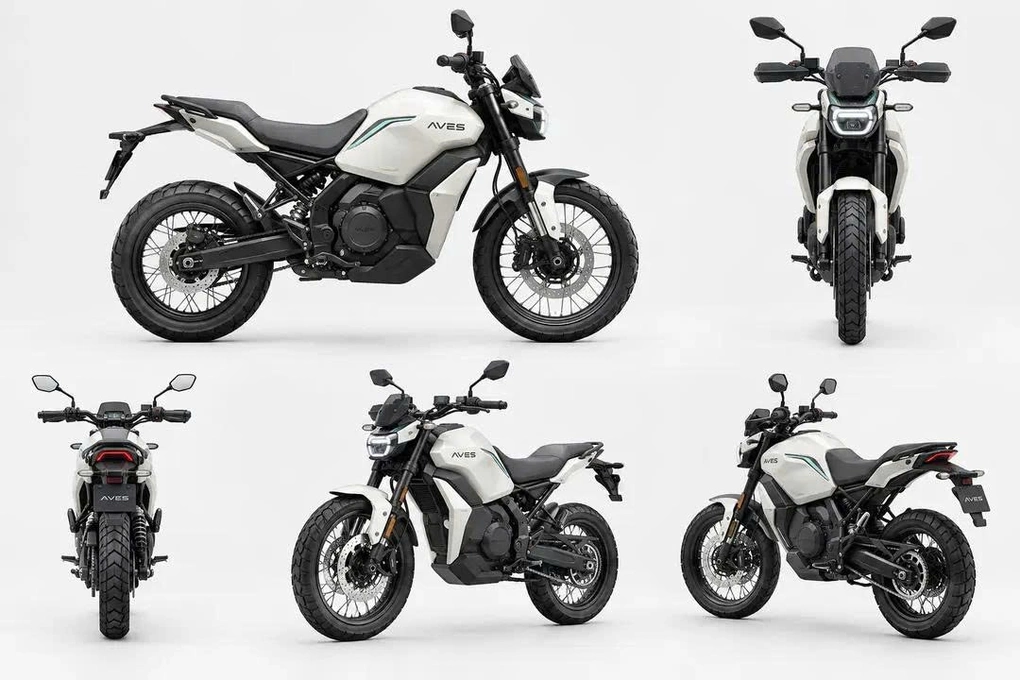
The culmination of the event is scheduled for December 5, during a high-profile awards ceremony to be held in Hanoi. Throughout the event lifecycle, the organizers have emphasized transparency and broad public engagement, allowing enthusiasts to follow the progress of various entries—such as practical applications utilizing generative tools like ChatGPT and AI-assisted conceptual developments submitted by early entrants like Nguyen Van Truong, Dang Phu Minh, and Le Xuan Tien.
Strategic Vision of Aves and Industry Implications
The organizing entity, Aves Green Energy and Technology Joint Stock Corporation, operates at the intersection of smart electric vehicles, renewable energy systems, and Internet of Things (IoT) devices. Within the transportation sector, Aves is actively developing a diverse portfolio of electric mobility solutions, encompassing two-wheeled vehicles, three-wheelers, and electric tricycles. With corporate milestones targeting a commercial product launch by mid-2027, the company views this design competition not merely as a promotional campaign, but as a strategic bridge to connect corporate product development with the authentic aesthetic and functional demands of the domestic market.
The launch of the Aves Future Mobility Challenge reflects a broader trend within Vietnam’s automotive and technological sectors. As urban centers grapple with traffic congestion and environmental pollution, the transition toward electric mobility is accelerating rapidly. By crowdsourcing design innovations from both professional designers and the wider public, green tech startups are increasingly democratizing the product development lifecycle. This approach not only fosters local design talent but also ensures that upcoming commercial electric vehicles are culturally attuned, highly functional, and optimized for the unique socioeconomic conditions of Vietnamese commuters.