Mexico arrests notorious drug kingpin Fausto Isidro Meza-Flores after a high-stakes shootout in Sinaloa

In a landmark victory for international law enforcement, Mexican security forces successfully apprehended Fausto Isidro Meza-Flores, widely known by his alias "Chapo Isidro," during a high-intensity tactical operation in the city of Guasave, Sinaloa, on the evening of November 20, 2026. Meza-Flores, a central figure in the Beltran Leyva drug cartel and a high-value target on the Federal Bureau of Investigation’s (FBI) Ten Most Wanted list, was captured alongside two of his top lieutenants, including the organization’s second-in-command and its primary financial architect.
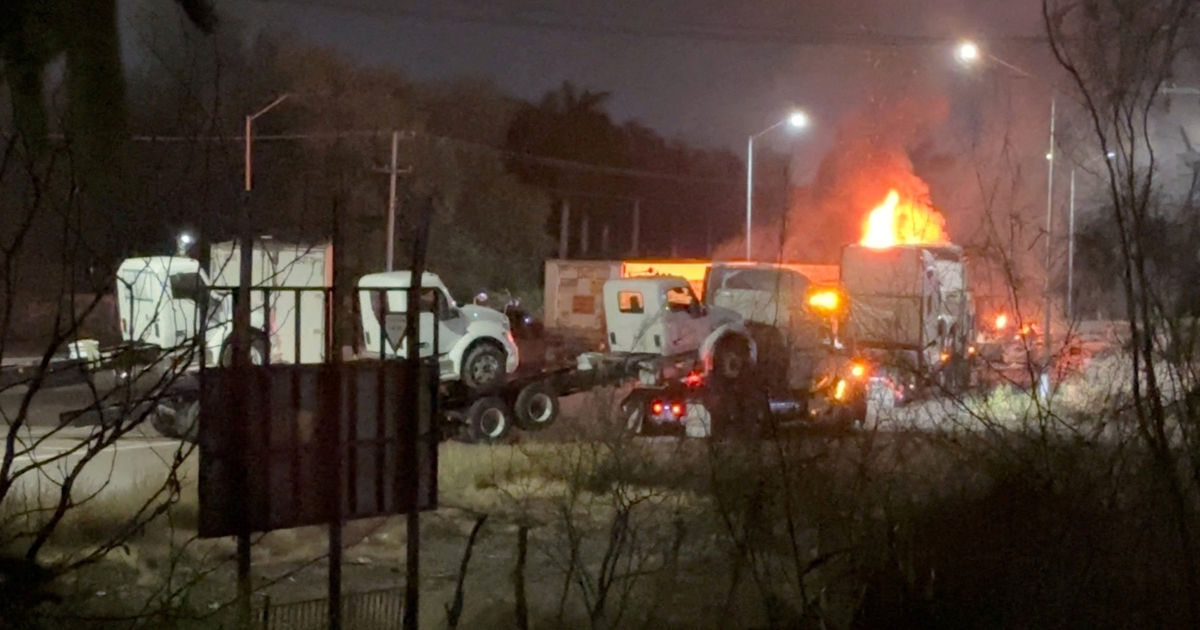
The arrest follows a sustained, years-long manhunt that has spanned multiple international jurisdictions. The operation, characterized by a swift tactical strike, rapidly devolved into a violent firefight as cartel members utilized heavy weaponry to resist capture, turning a residential sector of Guasave into a battlefield before federal authorities ultimately secured the scene.
The Operation and the Chaos in Guasave
The tactical maneuver, executed by specialized units of the Mexican armed forces, was the culmination of precise intelligence gathering. Once the exact location of the target was confirmed in Guasave, government forces moved to surround the compound where Meza-Flores and his inner circle were sequestered.
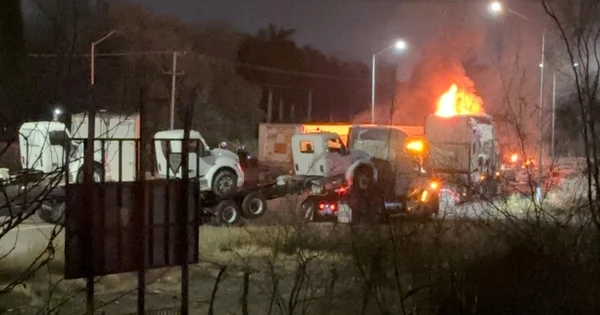
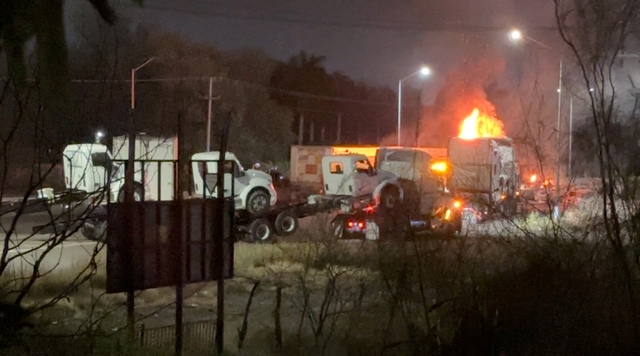
The ensuing chaos extended beyond the immediate vicinity of the raid. As local cartel enforcers attempted to stall the advancement of military convoys, they utilized heavy-duty trucks to blockade key arterial roads leading into the city of 300,000 residents. The violence inadvertently disrupted the Pacific League baseball match between the Algodoneros de Guasave and the Venados de Mazatlán at the Kuroda Stadium.
Spectators and players were forced to seek cover as the sound of automatic gunfire and explosions echoed through the stadium. Social media footage captured the harrowing scene of panicked fans fleeing the stands, while players abandoned the field to find shelter. The league officially suspended the remainder of the game, confirming that no injuries were sustained within the stadium, though the event highlighted the pervasive and volatile nature of cartel operations in the region.
Who is Fausto Isidro Meza-Flores?
Fausto Isidro Meza-Flores has long been considered one of the most significant threats to public safety in both Mexico and the United States. Operating primarily within the remnants of the Beltran Leyva Organization (BLO), Meza-Flores rose to prominence during the fragmentation of the Sinaloa cartel, often positioning himself as a primary antagonist to the dominant power structures in northwestern Mexico.
The U.S. Department of Justice and the FBI have long accused Meza-Flores of overseeing a vast criminal enterprise responsible for the mass importation of illicit substances into the United States. His portfolio of trafficking included significant quantities of heroin, methamphetamine, cocaine, and, most critically, the synthetic opioid fentanyl.
The FBI’s designation of Meza-Flores as one of its top ten most wanted criminals underscored the severity of his alleged crimes. A bounty of $5 million USD was placed on his head, reflecting the high priority placed on his capture by the U.S. government. His organization is accused of operating a sophisticated logistics network that funnels narcotics across the border, exacerbating the ongoing opioid crisis in the United States.
Chronology of the Hunt
The capture of "Chapo Isidro" marks the end of a protracted game of cat-and-mouse.
- 2013-2015: Meza-Flores is formally indicted in U.S. federal courts on charges of conspiracy to distribute controlled substances. The FBI adds him to their wanted list as intelligence links him to violent territorial disputes across Sinaloa.
- 2019-2023: Despite multiple localized operations targeting his lieutenants, Meza-Flores manages to evade capture by maintaining a low profile and rotating safe houses.
- Late 2025: Increased cooperation between the U.S. Department of Justice and Mexican federal authorities leads to a breakthrough in tracking his communications and financial transactions.
- November 20, 2026: Mexican forces launch the final assault in Guasave.
- November 21, 2026: Government officials officially confirm the capture and the subsequent transport of the suspects to Mexico City for legal processing.
Official Responses and Strategic Cooperation
The success of the operation is being hailed as a milestone in bilateral security cooperation. Government sources in Mexico have indicated that intelligence provided by the administration of U.S. President Donald Trump was instrumental in pinpointing the suspect’s movements.
While specific details regarding the classified nature of this intelligence sharing remain limited, the outcome suggests a renewed emphasis on disrupting high-level leadership within the drug cartels. The Mexican Ministry of Defense confirmed that following the arrest, the detainees were flown to Mexico City via military aircraft to be handed over to the Attorney General’s Office, where they face a battery of criminal charges in both Mexico and the United States.
"This arrest is a testament to the resilience of our security forces and the necessity of international partnership," stated a spokesperson for the Mexican government during a press briefing. "The dismantling of such a high-level command structure is a critical step in restoring peace to the region."
Analysis: Broader Implications for the Cartel Landscape
The apprehension of Meza-Flores is expected to cause significant instability within the remaining factions of the Beltran Leyva network. In the world of transnational organized crime, the removal of a long-standing kingpin often triggers power vacuums, leading to internal conflicts as subordinate leaders vie for control of territory and smuggling routes.
Impact on Fentanyl Trafficking
The focus on Meza-Flores as a major supplier of fentanyl is particularly relevant to current U.S. domestic policy. With the current administration declaring synthetic opioids a "weapon of mass destruction," the removal of a high-volume trafficker is a tangible success. However, analysts warn that the underlying demand and the decentralized nature of these cartels mean that trafficking routes are often rapidly re-established by successor elements.
Judicial Challenges
The legal battle ahead will be complex. Meza-Flores faces multiple indictments in both nations. The extradition process to the United States is likely to be the next major hurdle for prosecutors. Historically, high-profile extraditions from Mexico are subject to intense legal challenges and can be influenced by the political climate between the two countries.
Regional Security
For the residents of Guasave and the broader state of Sinaloa, the immediate aftermath of the arrest brings a mixture of relief and anxiety. While the removal of a notorious leader is viewed as a victory for the state, the history of cartel violence suggests that "retaliatory spikes" in crime may occur as the organization attempts to regroup or settle internal scores.
Conclusion
The arrest of Fausto Isidro Meza-Flores stands as a major victory in the ongoing war on drugs. By neutralizing one of the most elusive figures in the illicit trade, the operation has not only delivered a blow to the operational capabilities of his specific cartel but has also signaled a more robust approach to the capture of high-value targets. As the legal proceedings move forward, the focus will remain on whether this arrest leads to the systemic dismantling of the trafficking networks he once commanded, or if it merely marks a transition in the ever-shifting landscape of the global drug trade. The world now watches to see if this success will be leveraged into long-term stability or if the cycle of violence will continue to adapt to the changing face of its leadership.